ConciseTravel
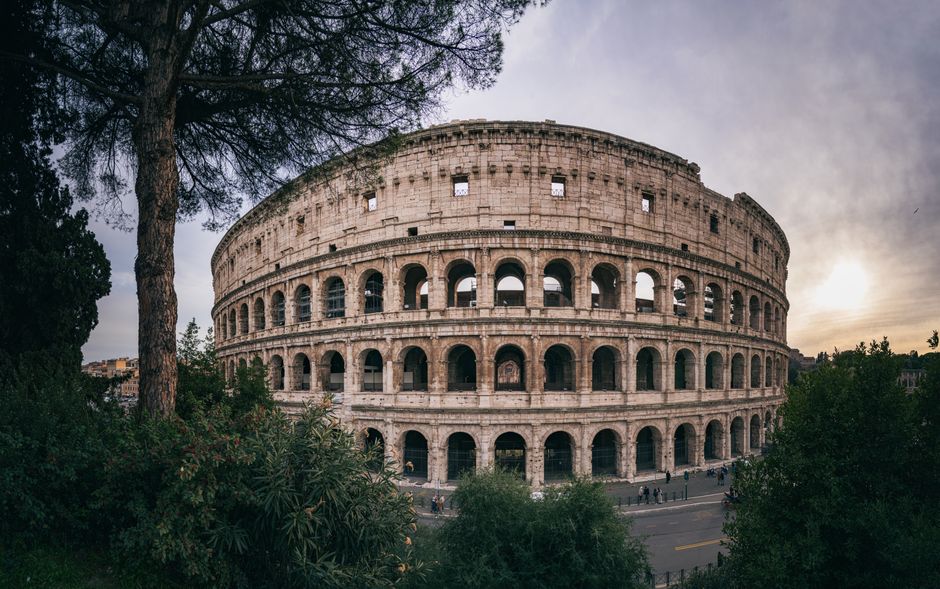
Rome in winter is one of the best-kept secrets in European travel. The Colosseum in January, the Vatican Museums in February, the Trevi Fountain at 8am in December without a crowd in front of it: all of these are realistic experiences in winter that summer makes impossible. The weather is cool, occasionally rainy, and entirely manageable. Rome's winter is mild Mediterranean cool, not northern European cold. Pack for a British spring and you will be comfortable.
The Real Winter Temperature Story
Rome in December averages 11-13C during the day, dropping to 4-6C at night. January is the coolest month at 10-12C in the day and 3-5C at night. February is similar. Snow in central Rome is a rare event that causes the city to more or less stop functioning entirely; it happens perhaps once every few years and briefly.
Rain is the main winter variable. Rome gets consistent rainfall throughout winter, sometimes as multi-day periods of overcast and showers. The wind in Rome, particularly around the Palatine Hill, the Forum, and the open piazzas, adds a chill that makes the mild temperatures feel cooler. But compare any of this to January in Prague or February in Warsaw and Rome in winter is a mild, pleasant experience.
City-Specific Cold-Weather Must-Haves
A medium jacket with genuine warmth. A padded jacket, a wool coat, or a warm waterproof layer. Not a heavy winter coat, but something with real insulation for cool days and cold evenings. Rome's fashion culture means a well-cut coat or jacket earns double duty.
A waterproof layer or waterproof coat. Rome's winter rain comes unpredictably and a waterproof layer handles it without requiring a separate rain mac.
Smart-casual clothes for evenings. Rome takes its dining culture seriously. The restaurants in Trastevere and the Jewish Quarter are places where looking slightly presentable matters. A nice jumper, a smart jacket, or an elegant top is worth packing.
Comfortable walking shoes with grip. The cobblestones around the Forum, the Palatine, and the historic centre get slippery in the rain. Any shoe with smooth soles becomes unreliable on wet Roman stone. Something with grip and enough structure to walk 10km without pain.
Layers you can add or remove. The temperature swing from a sunny January noon to after dark is 6-8C. Adjustable layers handle this better than one heavy item.
A compact umbrella or rain hood. Rome is sheltered enough from extreme wind that a compact umbrella works well for the short showers that characterise winter rain here.
What to Leave Behind
Heavy ski or cold-weather expedition gear. Rome does not need it. Medium layers cover everything.
Sandals as your main footwear. Wet cobblestones and open-toe shoes are not a comfortable combination in January.
Only summer clothing. January evenings at 4C require genuine layers. The mild daytime figure does not tell the whole story.
Fashion boots with smooth soles. The Palatine Hill and the Forum paths in winter rain are enough to make grip a necessity.
Packing it Together
Medium jacket with warmth, waterproof layer, smart-casual clothes for dinner, comfortable shoes with grip, and adjustable layers. Rome in winter is magnificent: the crowds are manageable, the museums are accessible, and the city has a quality that summer's heat and overcrowding actively prevents. The espresso is the same in any month.
The ConciseTravel Rome guide covers the Vatican strategy, the Colosseum booking, the best trattorias off the tourist trail, and the neighbourhoods worth your time: https://concisetravelguides.etsy.com/uk/listing/4471439090/rome-travel-guide-itinerary-planner-2026
Master rome in Minutes
Don't waste hours planning. Get our condensed, digital cheat sheet with everything you actually need.
Shop Guide on Etsy →