ConciseTravel
Rome in spring is a strong case for arriving before the summer crowd. March sits at 14-18C, mild, occasionally showery, with the sites uncrowded and the city operating at its natural pace. April is excellent: 17-22C, consistently sunny, the wisteria in bloom on the Palatine Hill. By May you are at 22-26C and Rome starts to feel warm: long outdoor lunches, evenings at outdoor bars, the Trastevere neighbourhood spilling into the streets. The spring timing also aligns with lower hotel prices and shorter museum queues, which are not small considerations in a city this popular.
The Layering Approach
Rome spring is Mediterranean and relatively forgiving in its temperature range. March requires a mid-layer under a light jacket for mornings and evenings, when the city can feel noticeably cooler than the sunny afternoon suggests. April lets you shed the mid-layer for most of the day, keeping it accessible for mornings and evenings. By May, a single light jacket or cardigan for evenings is the main variable, with light clothing covering most of the day comfortably. The occasional spring shower visits in March and April, so a packable rain layer or compact umbrella is worth having.
City-Specific Essentials
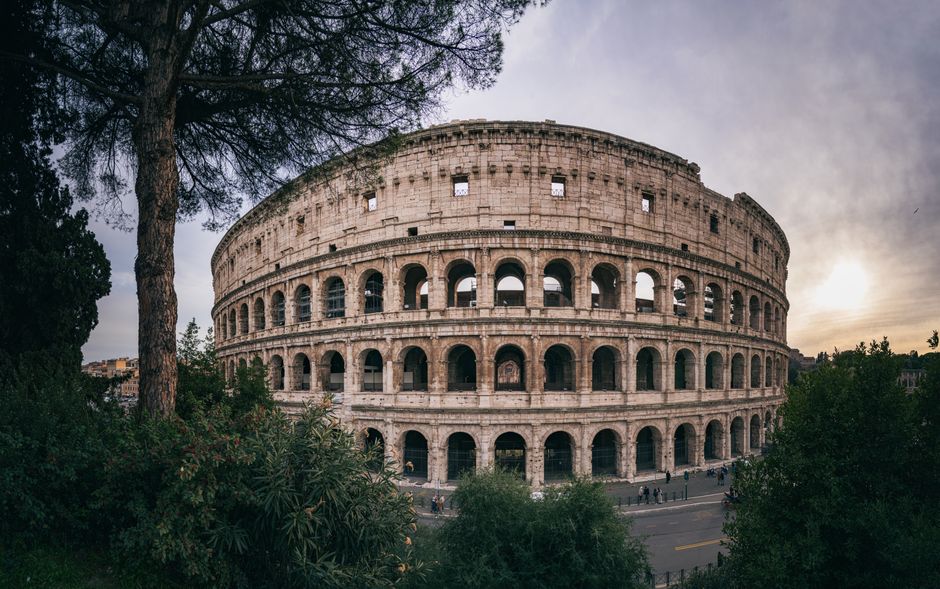
Comfortable, cushioned walking shoes: Rome is one of the most demanding cities for footwear in Europe. The cobblestones are irregular and extensive: the Historic Centre, Trastevere, the Forum area, and the Testaccio market all involve hours on uneven stone. Smooth soles on wet cobblestones are genuinely dangerous. Cushioned trainers or quality walking shoes with rubber soles are essential. Do not attempt the Palatine Hill or the Colosseum interior in fashion sandals.
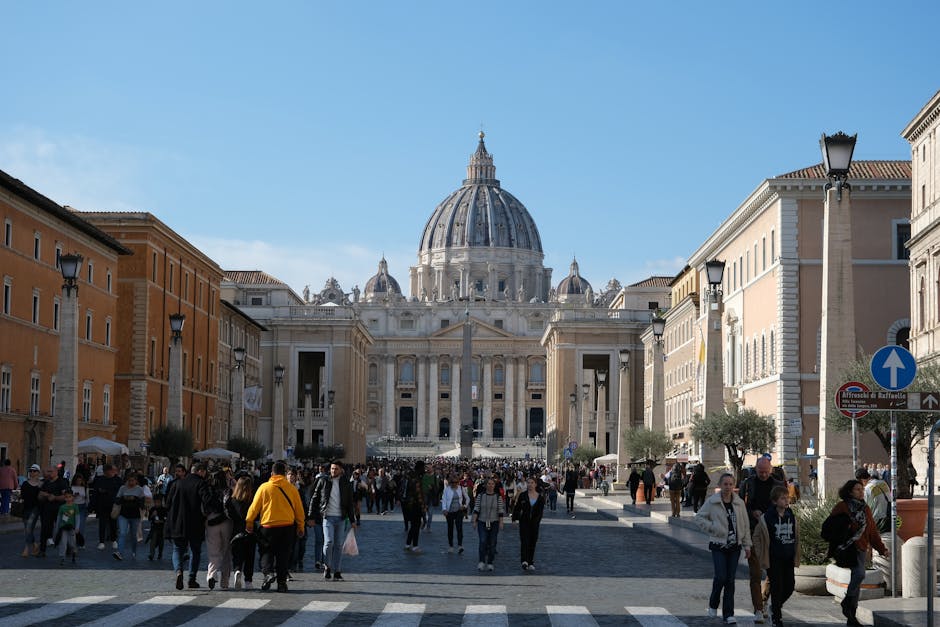
Modest clothing for churches and the Vatican: Rome has more significant churches per square kilometre than anywhere else in the world, and most enforce a dress code. The Vatican specifically requires covered shoulders and knees. St Peter's, the Pantheon (when serving as a church), San Giovanni, and many others follow the same rule. Keep a lightweight scarf or cardigan in your daypack as a permanent item. It also doubles as a sun protection layer.
Light jacket for evenings and mornings: Even in May, Rome evenings call for something over your shoulders. A packable jacket that folds into a bag works for both unpredicted showers and cool evenings.
Sun cream and sunglasses from April: The Rome sun from April onwards is strong, particularly at the outdoor archaeological sites which have minimal shade. SPF 30-50 for days at the Forum, Ostia Antica, and the Borghese gardens.
Compact daypack: For carrying water, layers, and a camera. Keep it within size limits for museum storage.
What to Leave Behind
Formal shoes for daytime sightseeing: The cobblestones make them impractical and painful. One smarter option for evenings is the right balance.
Heavy winter coats: March in Rome does not need them. A good mid-weight jacket covers the coldest spring days.
Multiple formal outfits: Rome's evening culture is smart-casual at most restaurants. Trastevere and Pigneto are distinctly casual. One good outfit covers the nicer options.
Sandals as your only walking shoe: For May afternoons on flat ground they work, but as a primary sightseeing shoe across uneven historic terrain they fall short.
Planning Your Trip
Rome rewards people who go with some context, from the best Colosseum ticket strategy to the neighbourhoods that actually have good food. Our guide covers the practical side without padding. Find it here: https://concisetravelguides.etsy.com/uk/listing/4471439090/rome-travel-guide-itinerary-planner-2026
Master rome in Minutes
Don't waste hours planning. Get our condensed, digital cheat sheet with everything you actually need.
Shop Guide on Etsy →