ConciseTravel
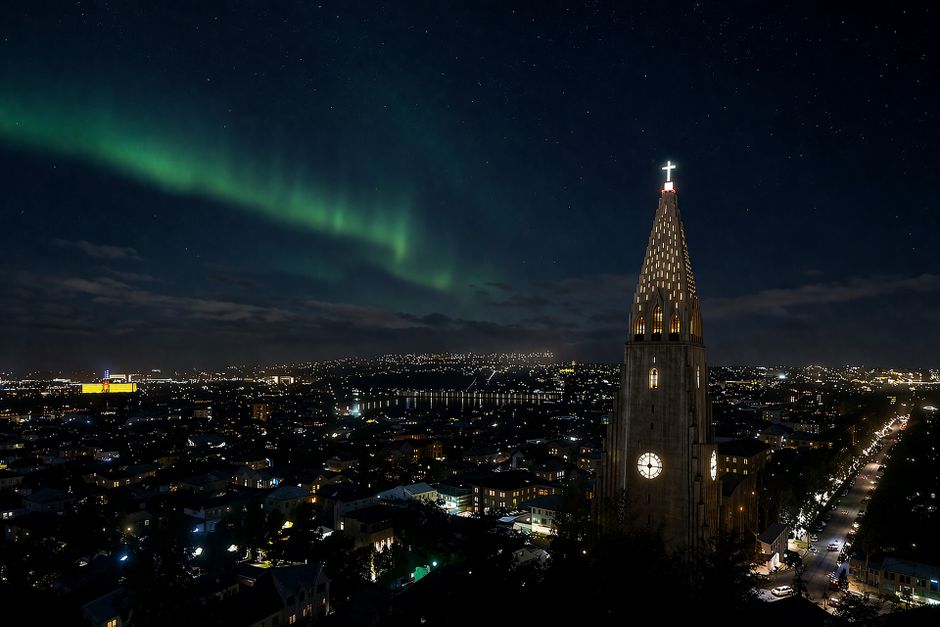
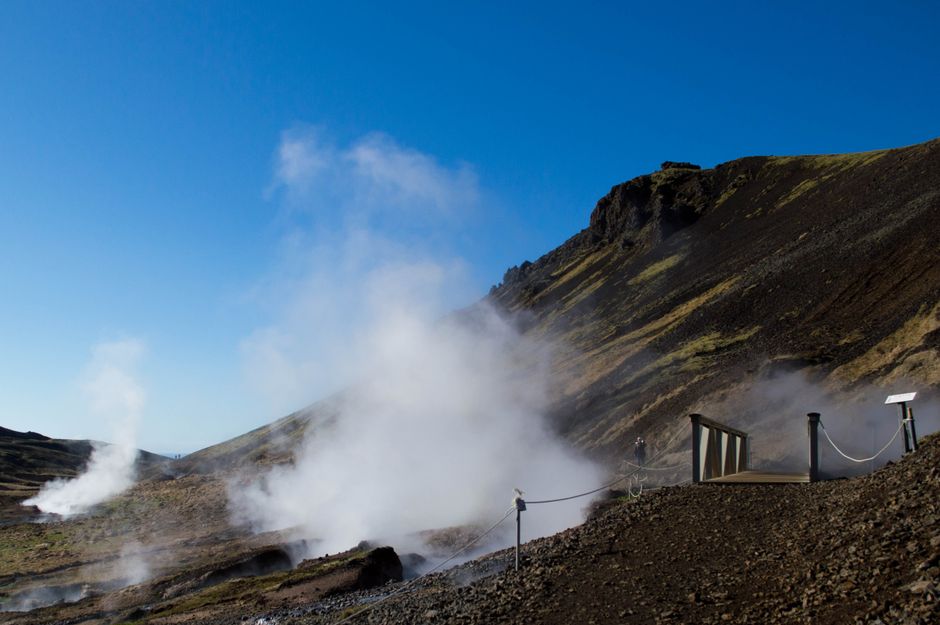
Reykjavik in October is when Iceland's aurora season properly begins, and that fact alone makes it worth serious consideration. The days shorten quickly, which means long dark evenings and a genuinely good chance of seeing the northern lights from or near the city. Add to that lower prices than the summer peak, the dramatic volcanic landscape in autumn conditions, and a city that's small but punches well above its weight for culture and food, and October makes a strong case.
Weather
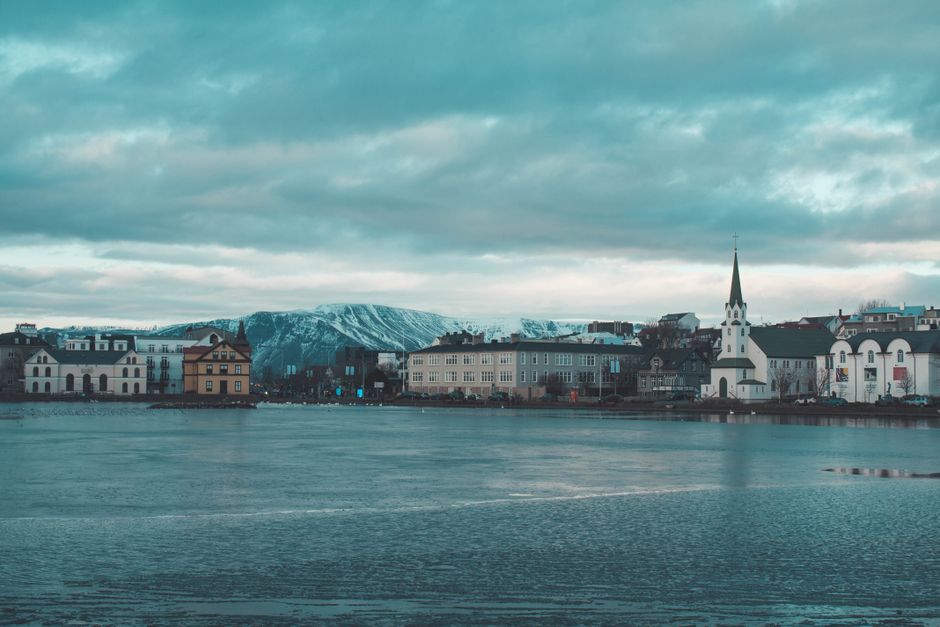
Cold and highly variable. Expect 4-8°C with frequent rain, wind, and the possibility of the first snow at higher elevations. October weather in Iceland is genuinely unpredictable: you can get extraordinary clear days and dramatic storms within the same week. Pack serious layers, waterproofs, and treat warm footwear as non-negotiable. The Reykjavik city experience is compact and sheltered compared to the countryside, but any day trip requires proper preparation.
Crowds and Prices
Significantly quieter than summer. Iceland's tourist season peaks in June-August with the midnight sun, and October is the beginning of the off-season price drop. Hotel rates in Reykjavik are lower, the Blue Lagoon (book ahead regardless of month) is more manageable, and the Golden Circle day trip routes are less congested. The city's bars, restaurants, and geothermal pools are all operating at full capacity without the summer visitor volumes.
What's On
Aurora season begins in earnest in October. The long nights, typically starting with darkness before 7pm by mid-October, give multiple windows for northern lights viewing. Reykjavik's light pollution limits viewing from the city itself, but a short drive outside gets you into genuinely dark skies. Aurora activity is unpredictable but the increased night hours from October onwards improve your statistical chances significantly. Iceland Airwaves, the annual music festival, typically runs in early November but October sees pre-festival programming activity.
One Thing to Watch
Northern lights viewing requires clear skies, which October in Iceland does not guarantee. Cloud cover and rain are the main obstacle. Monitor the Icelandic Met Office aurora forecast and be prepared to be flexible: sometimes it means getting up at 1am when the forecast clears. If you're visiting primarily for the northern lights, build in at least five nights to improve your chances of getting a clear window. Three nights is not enough if you're unlucky with cloud.
Master Reykjavik in Minutes
Don't waste hours planning. Get our condensed, digital cheat sheet with everything you actually need.
Shop Guide on Etsy →