 ConciseTravel
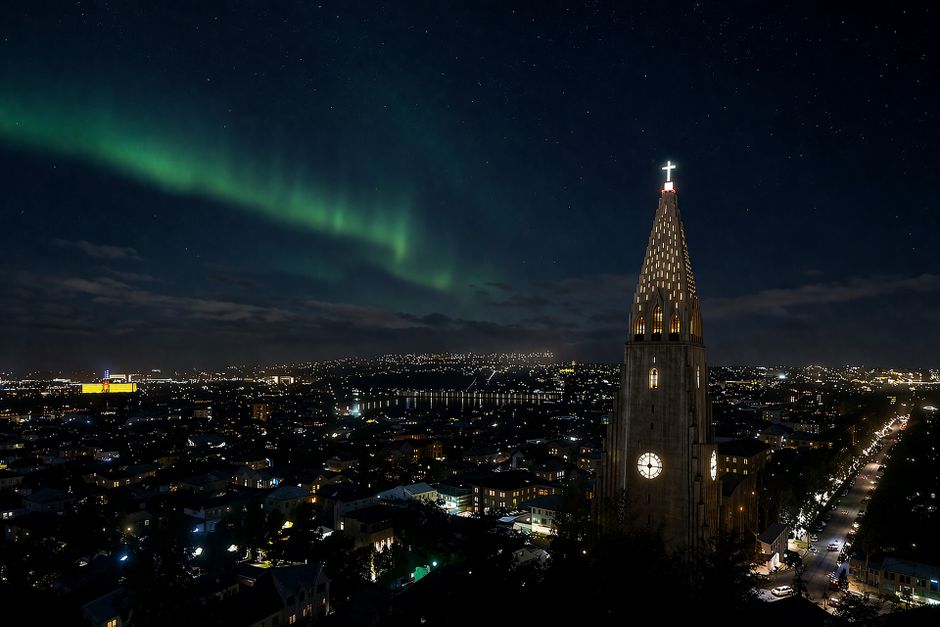
Reykjavik in February is the peak Northern Lights window and the reason most visitors are there. The long dark nights, the active geomagnetic season, and the relative accessibility of dark skies outside the city make February one of the most reliable months for aurora sightings. Beyond the Northern Lights, Reykjavik itself is compact, interesting, and fully operational in winter: the Golden Circle day trip, the Blue Lagoon, and the city's food and music scene are all available. This is not a warm-weather destination and February does not pretend to be: come prepared and come with purpose.
Weather
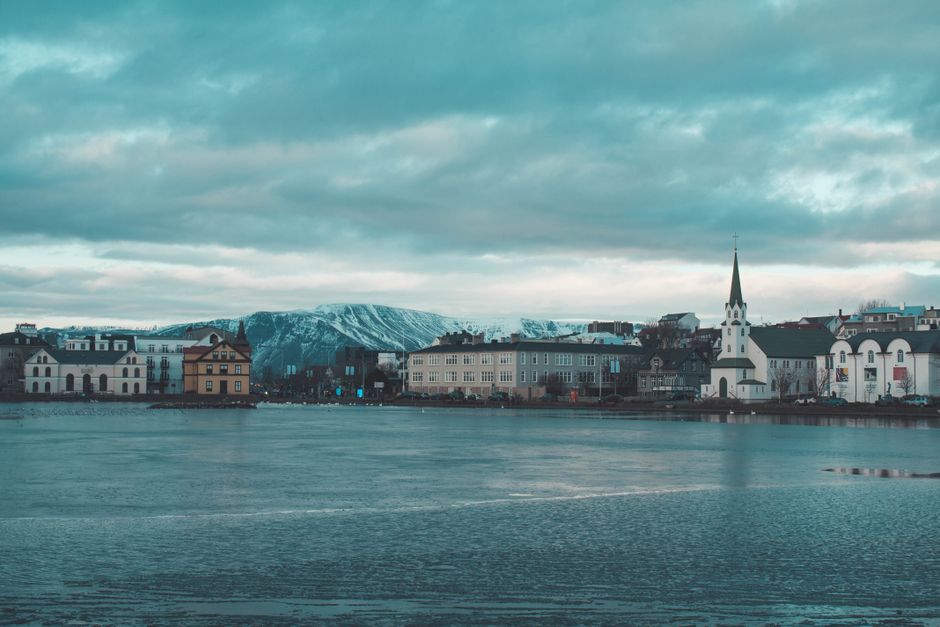
February averages -2C to 3C. Snow, wind, rain, and occasional brief sunshine can all happen on the same day. The wind in Iceland is significant: it is not decorative. A heavy waterproof outer layer, thermal base layers, insulated mid-layer, gloves, hat, and waterproof boots are required. Conditions can change quickly, particularly outside the city. Pack for serious winter weather and be pleasantly surprised if conditions are kinder.
Crowds and Prices
February is part of the winter high season for Northern Lights tourism, so it is busier than you might expect for winter. Popular activities like the Blue Lagoon and Golden Circle tours book up and prices reflect this. However, it is quieter than the summer peak and accommodation in Reykjavik is more available. Book Northern Lights tours and the Blue Lagoon well in advance regardless.
What's On
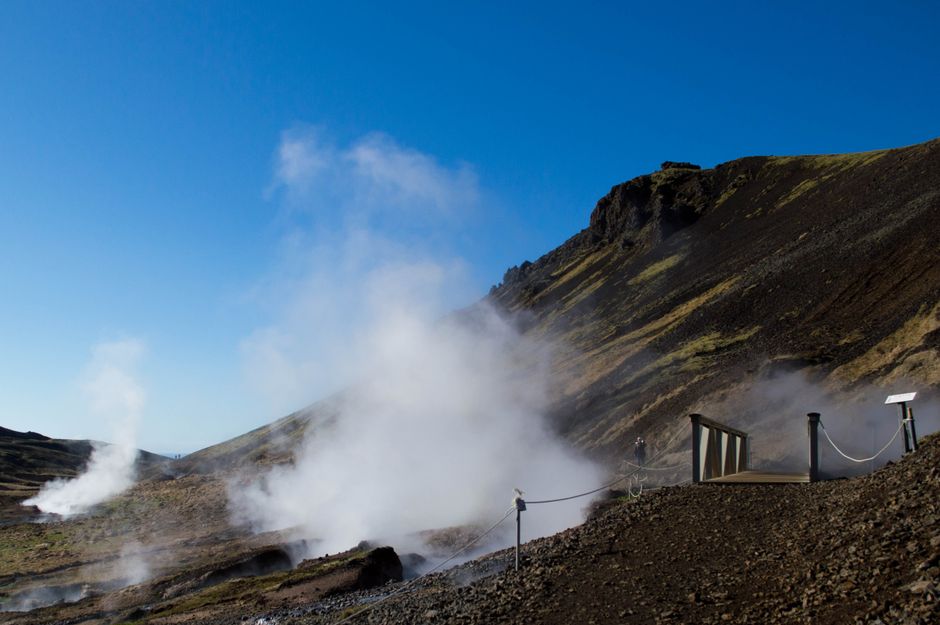
The Northern Lights are the February event. Tours depart nightly from Reykjavik when conditions are favourable, venturing out of the city light pollution. The Golden Circle (Thingvellir, Geysir, Gullfoss) is operational year-round with adjusted winter hours. The Reykjavik Winter Lights Festival runs in February, with light installations across the city and extended museum opening hours.
One Thing to Watch
Northern Lights sightings are never guaranteed. Cloud cover, which is frequent in February, can block the aurora entirely. If you are visiting specifically for the lights, build in at least three nights to improve your chances. A clear forecast matters more than any other planning decision: check the Vedur website (Iceland's meteorological office) and the aurora forecast before booking your tour each evening.
The Reykjavik city guide covers the city, the Northern Lights, and the Golden Circle.
Master Reykjavik in Minutes
Don't waste hours planning. Get our condensed, digital cheat sheet with everything you actually need.
Shop Guide on Etsy →