 ConciseTravel
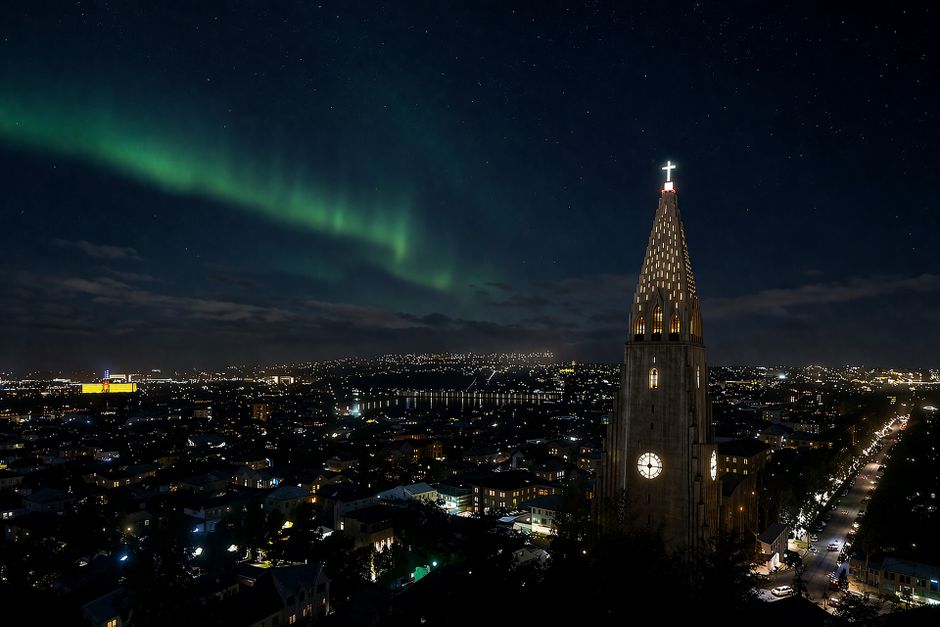
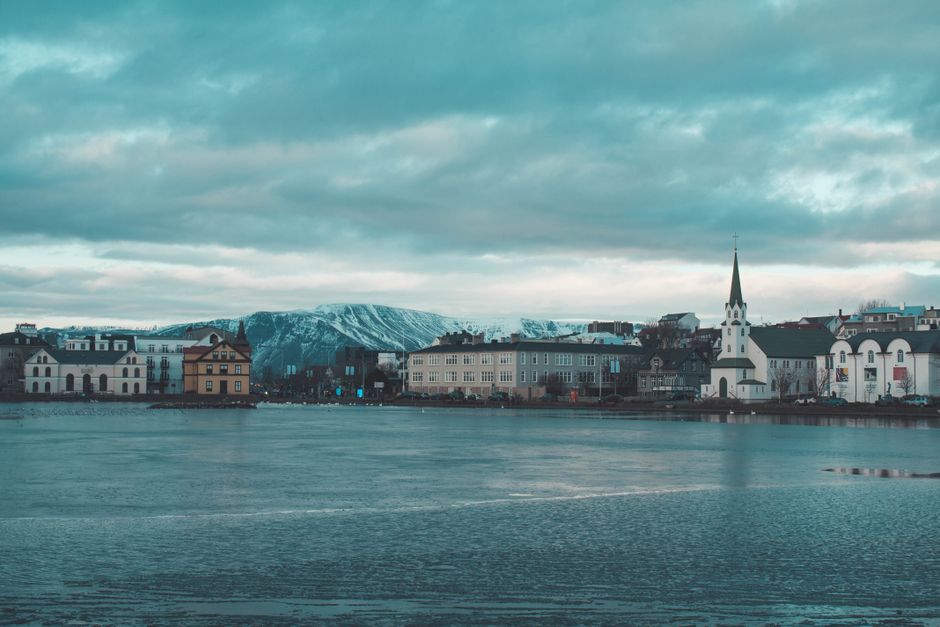
Reykjavik in autumn is one of the most striking destinations available to the northern European traveller. The Northern Lights become visible from September, the Golden Circle runs without the peak summer pressure, and the city's geothermal pool culture makes complete and obvious sense in cold weather. The weather requires respect: this is sub-Arctic, Atlantic-influenced, and deeply unpredictable from September onwards. Iceland has a saying -- "if you don't like the weather, wait five minutes" -- and autumn autumn is where that unpredictability is at its most dramatic.
The Autumn Layering Problem
September in Reykjavik averages 9-12 degrees during the day with cold evenings around 5-7 degrees. Wind is near-constant and often strong. October drops to 5-9 degrees with frequent rain, wind, and some early snow on the surrounding mountains. November averages 1-4 degrees, very windy, wet, and dark -- sunrise after 10am, sunset by 4pm.
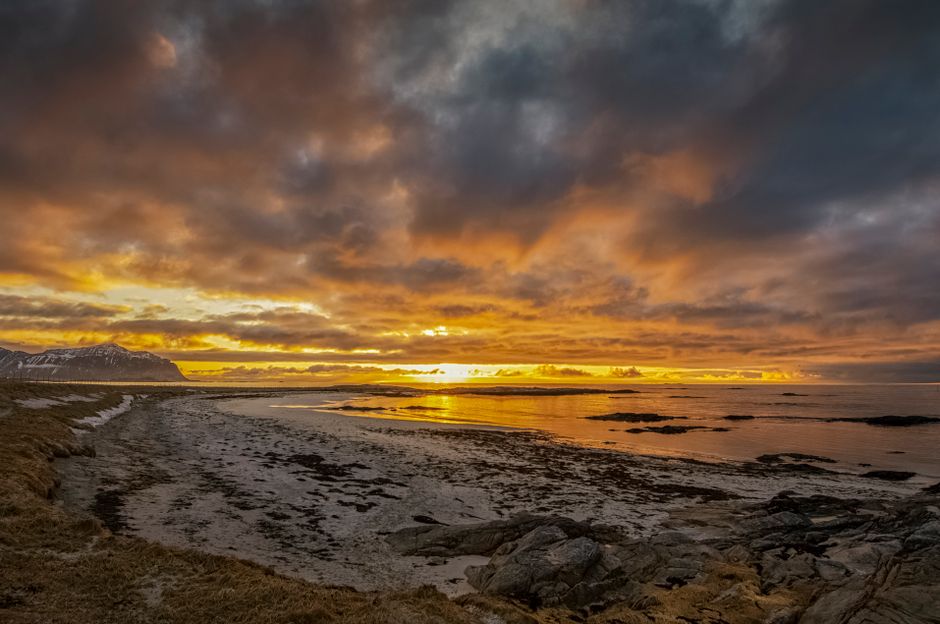
The wind is the critical factor that separates Iceland from other cold destinations. A 7-degree October day with a 40 km/h wind feels like freezing. The Golden Circle, Thingvellir, and the Reykjanes Peninsula are all exposed landscapes with no shelter. The city itself sits on a peninsula in the Atlantic with wind from every direction.
Reykjavik-Specific Essentials
A serious waterproof and windproof jacket. This is the central item. Not a standard waterproof -- something rated for high wind and sustained rain. Look for a quality outdoor jacket with sealed seams, a proper hood with adjustment, and windproof construction. This is your most important purchase or packing decision for Iceland in autumn.
Heavy insulating layers. A down jacket or a heavyweight fleece jacket worn under your waterproof shell. Iceland cold requires more insulation than most European destinations. A light fleece is not sufficient from October.
Thermal base layers. Merino wool thermals for both top and bottom. Warmth from the skin outward is the foundation. This is non-negotiable for any outdoor time in October or November.
Waterproof, insulated boots. Walking in Iceland in autumn means wet, cold, and sometimes muddy terrain. Insulated waterproof hiking boots are appropriate from September. Anything less becomes a problem quickly.
Wool hat covering the ears, heavy gloves, and a warm scarf or buff. Iceland wind is extremely cold on exposed skin. Ears, hands, and neck need full covering from September. Light gloves are not sufficient for October or November.
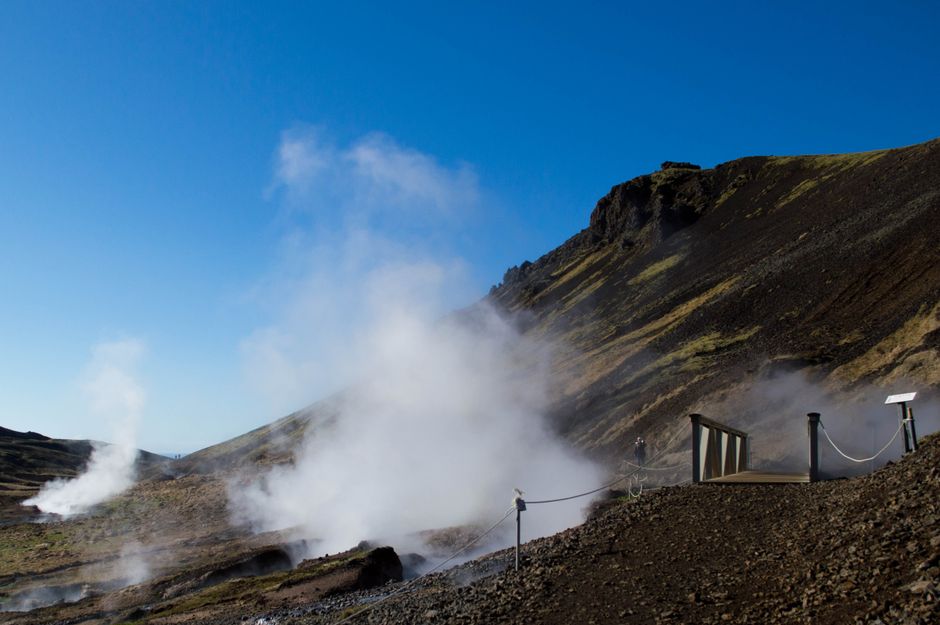
Swimwear. The geothermal pools -- the Blue Lagoon, Landmannalaugar, the city's Sundholl and Vesturbaejarlaug -- are heated to comfortable temperatures and are better in cold weather. Swimwear is a genuine packing essential for Reykjavik, not an afterthought.
What to Leave Behind
Any lightweight autumn clothing as your primary strategy. Iceland does not share European autumn mildness. What works for October in Paris is inadequate for October in Reykjavik.
Sandals. There is no window for sandals in Iceland in autumn. None.
Cotton as a base layer. Cotton in wet, cold, windy Iceland conditions is dangerous. Merino or synthetic throughout.
Reykjavik Autumn Rewards Serious Preparation
The Northern Lights from September, the Golden Circle without summer crowds, the geothermal pools in cold dark evenings -- Iceland in autumn is extraordinary. Pack for sub-Arctic Atlantic conditions and the experience is one of the most memorable available to the European traveller.
Our Reykjavik Guide covers the Northern Lights logistics, the Golden Circle route, and how to structure your time in and around the city. Find it at the link below.
Master Reykjavik in Minutes
Don't waste hours planning. Get our condensed, digital cheat sheet with everything you actually need.
Shop Guide on Etsy →