ConciseTravel
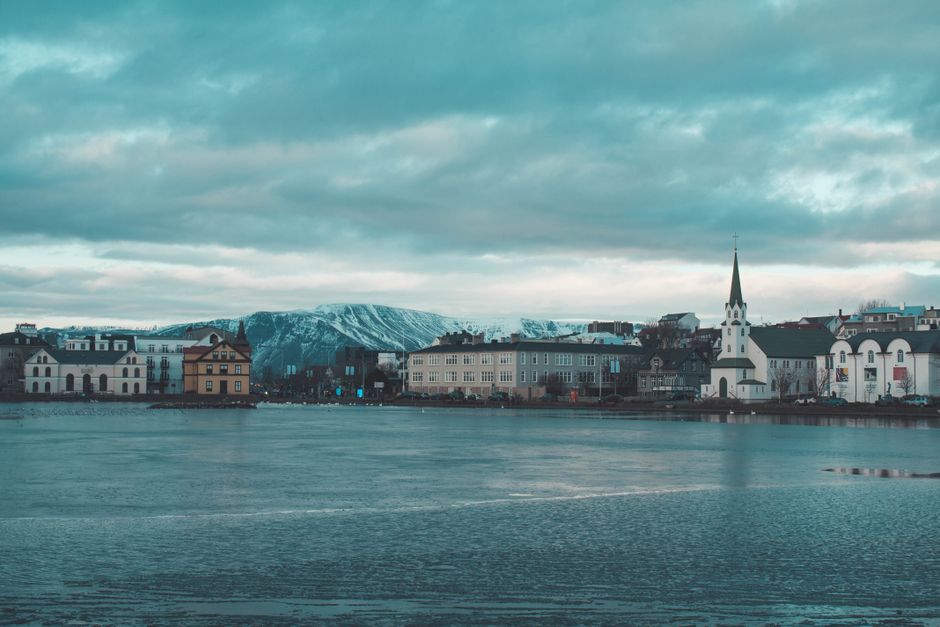
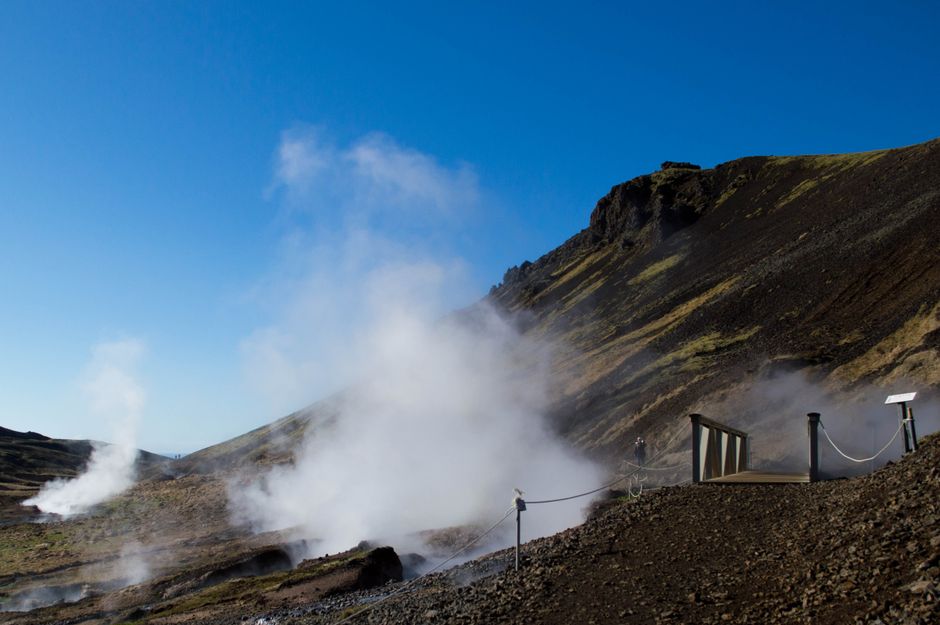
Reykjavik in August is Iceland at its absolute best. The weather is as reliable as it gets in the North Atlantic, the midnight sun is transitioning to the first proper dark nights of the year, whale watching season is in full swing, and the city is buzzing with its peak annual energy. For outdoor activities, the Golden Circle, South Coast waterfalls, and the Westfjords are all accessible.
Unlike most European cities where August means crowds and compromise, Reykjavik in August is genuinely exceptional.
Weather
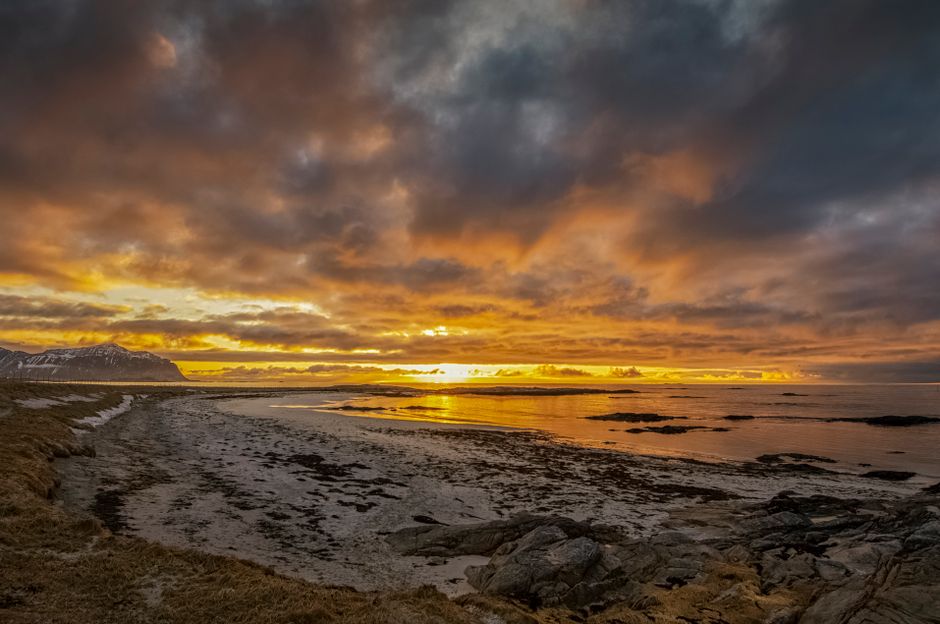
August averages 13 to 15 degrees Celsius, the warmest month in Iceland. In practical terms: mild, often windy, with a mix of sun and cloud. Rain is possible at any time and the wind can be significant, particularly on the coastal headlands. The midnight sun has faded by August, giving three to four hours of actual darkness by the end of the month, which many visitors find a relief after July's 24-hour light.
Pack layers. August in Iceland requires layers, waterproofs, and good footwear regardless of the city's mild summer temperature.
Crowds and Prices
August is Iceland's peak tourist season, and prices reflect it. Hotels in Reykjavik are at their annual maximum. The Blue Lagoon, which requires advance booking year-round, is at its tightest availability in August. Book the Blue Lagoon several weeks ahead.
The Golden Circle day trip (Thingvellir, Geysir, Gullfoss) is the most popular organised excursion in Iceland; tour operators run it daily in August with good availability, but book ahead to secure morning slots.
What's On
Reykjavik Culture Night (Menningarnott) takes place in mid-August, transforming the city into a massive free outdoor festival with art, music, food, and fireworks. It's one of the most joyful public events in Iceland's calendar and an extremely good reason to time your visit accordingly.
The Secret Solstice festival, a music festival that capitalises on the midnight sun, runs in June; by August it's done. But the Reykjavik Arts Festival and various summer cultural programmes run through the season.
One Thing to Watch
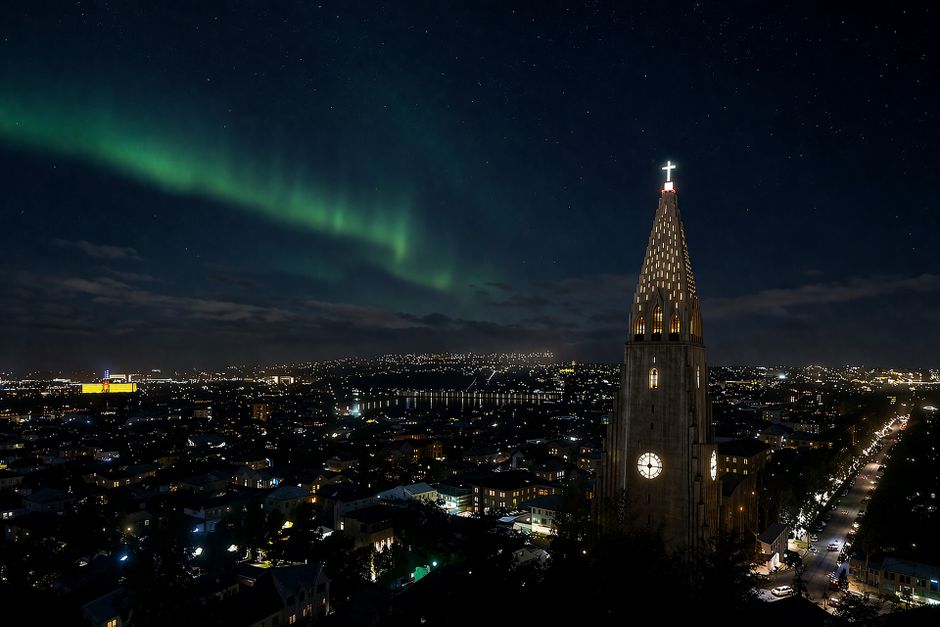
Northern lights are not reliably visible in August. The nights are beginning to darken again by late August, and aurora sightings are possible, but the high solar activity and residual midnight sun make August a poor month for lights compared to September through March. If northern lights are your primary reason for visiting Iceland, September onwards is the better window. If the city, the landscape, and the outdoor activities are your draw, August is the right month.
Master Reykjavik in Minutes
Don't waste hours planning. Get our condensed, digital cheat sheet with everything you actually need.
Shop Guide on Etsy →