 ConciseTravel
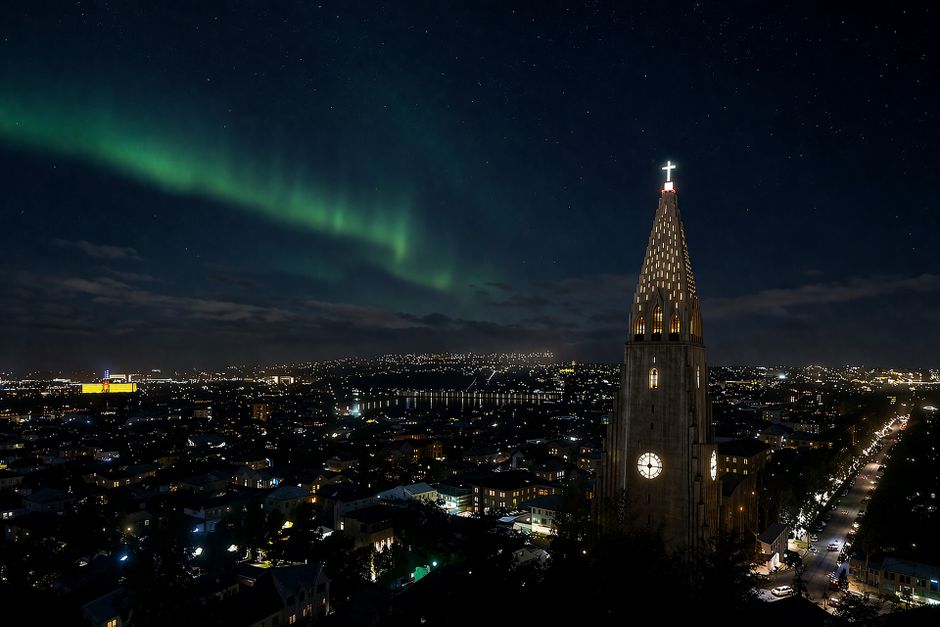
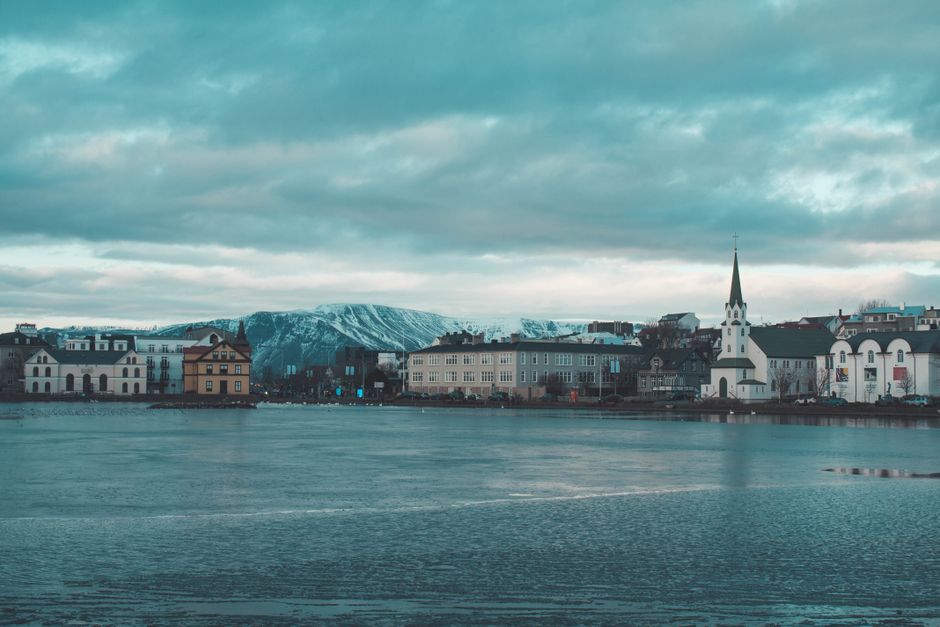
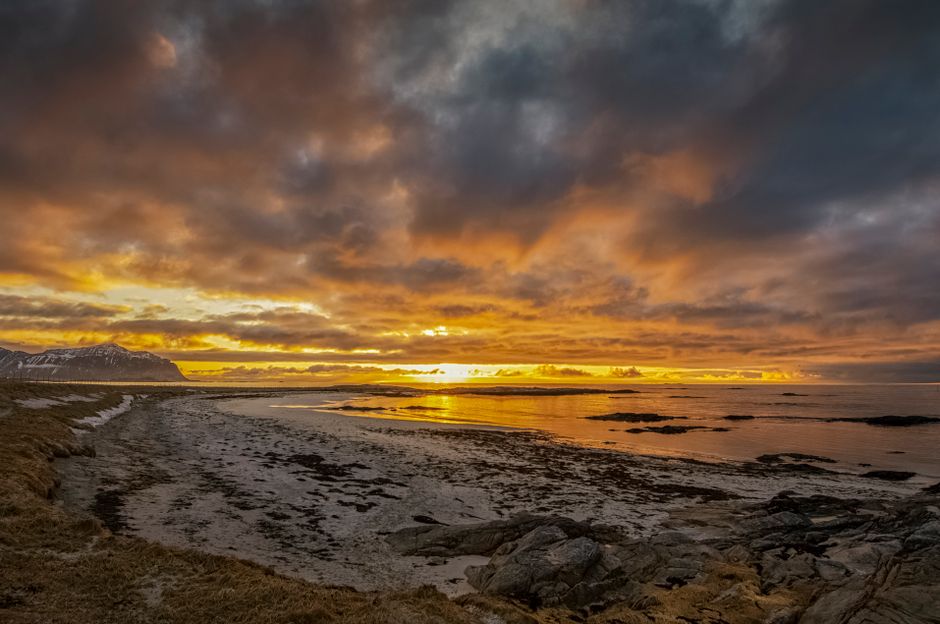
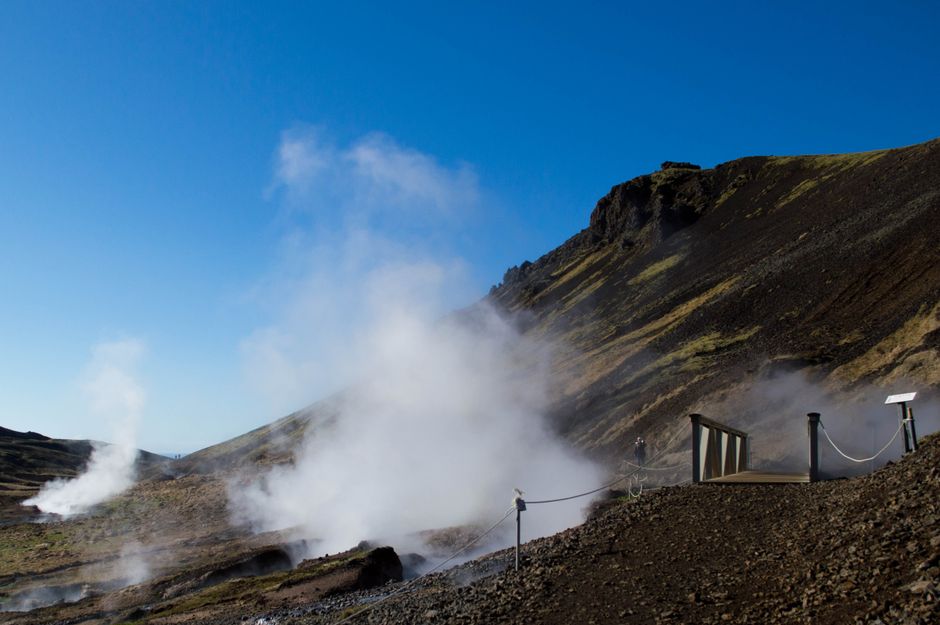
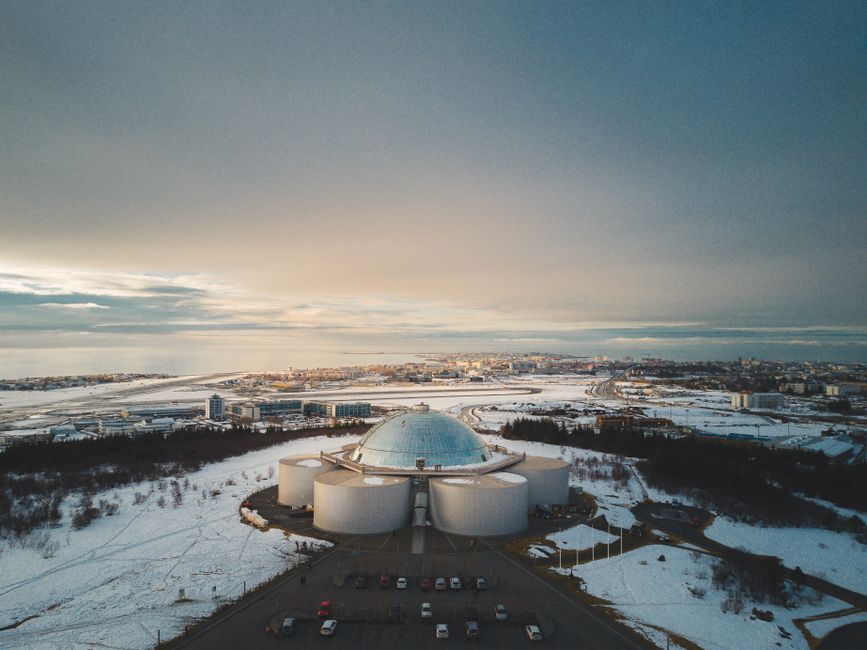
Reykjavik in March is cold, dramatic, and one of the last good months for northern lights before the nights shorten too much for reliable sightings. Daylight hours increase noticeably through the month (from around 11 hours to 14 hours), the landscape is still winter-spectacular, and the city's geothermal pool culture and restaurant scene are excellent reasons to visit regardless of weather. March is genuinely one of Iceland's better months for a first visit.
Weather
March in Reykjavik averages -2°C to 0°C at night and 2°C to 5°C during the day. Snow, wind, and overcast conditions are standard. Blizzards are possible. Pack your warmest layers, a serious waterproof and windproof outer shell, thermal underlayers, and boots with proper grip. Iceland weather is famously unpredictable and can change within hours. The phrase "if you don't like the weather, wait five minutes" applies genuinely here.
Crowds and Prices
March is shoulder season for Iceland, sitting between the northern lights peak (January to February) and the summer surge. Visitor numbers are lower than summer but higher than January. The Golden Circle (Geysir, Gullfoss, Thingvellir), the Blue Lagoon, and the Snæfellsnes Peninsula are all accessible with fewer visitors than July. Hotel prices in Reykjavik are lower than summer. Book the Blue Lagoon in advance regardless of season as it sells out consistently.
What's On
Northern lights are still a realistic possibility in March, particularly in the first half of the month when nights are long enough. Probability decreases as the month progresses and daylight hours extend. Clear skies and getting away from city light pollution matter more than the date: use aurora forecast apps and be prepared to go out late. Beer Day in Iceland falls on 1 March, a cultural celebration of the end of beer prohibition in 1989, celebrated in the city's bars.
One Thing to Watch
Road conditions outside Reykjavik can be severe in March. The Ring Road and Highland roads can close with short notice in storms. If you are renting a car for day trips, check road conditions daily on the Icelandic Road Administration website (road.is) and take out a proper insurance package including gravel and sand protection. Do not drive a regular car on F-roads (highland tracks): a 4x4 is legally required and morally non-negotiable.
Our Reykjavik travel guide covers the city, the Golden Circle, the Blue Lagoon, and the practical logistics for a country where preparation makes the difference between a great trip and a miserable one.
Master Reykjavik in Minutes
Don't waste hours planning. Get our condensed, digital cheat sheet with everything you actually need.
Shop Guide on Etsy →