 ConciseTravel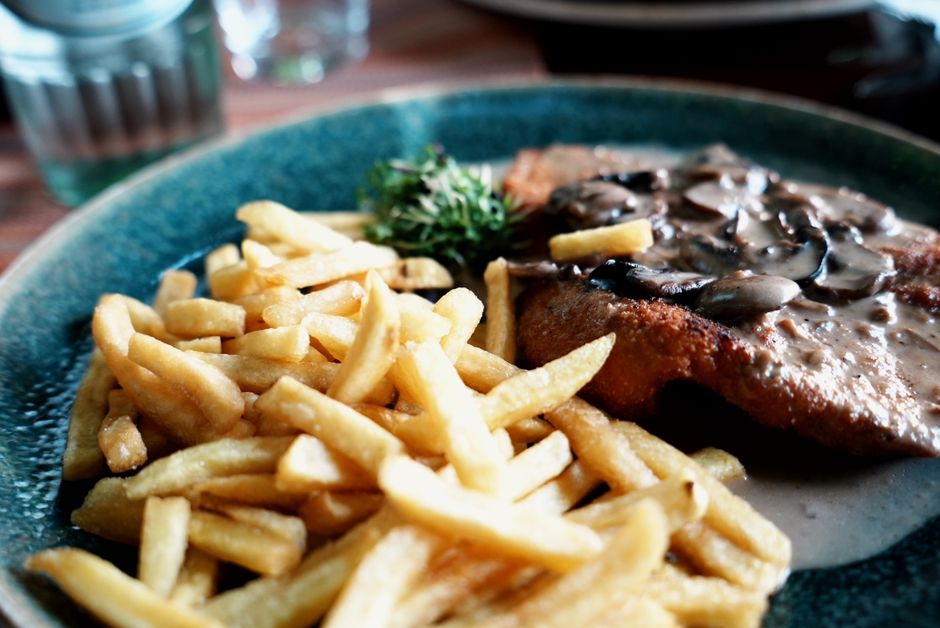
Viennese cuisine is a product of empire: a city that was the capital of a multinational state for 600 years absorbed cooking traditions from Hungarian, Czech, Italian, and Ottoman kitchens and made them its own. The result is hearty, precise, and deeply satisfying, with a pastry tradition that is genuinely unrivalled.
Wiener Schnitzel: The One Thing You Must Order
Wiener Schnitzel is thinly pounded veal, coated in breadcrumbs and shallow-fried until golden. It should be large enough to drape over the plate edge. It should be accompanied by a potato salad (not chips, unless you ask) and a wedge of lemon.
Critical distinction: if it's made with pork, it's called Schnitzel Wiener Art (Vienna-style schnitzel) — legally it can only be called Wiener Schnitzel if it's veal. Both are good. The veal is better.
Where to eat it properly: Figlmüller (two locations in the 1st district, tourist-heavy but genuinely excellent), Zum Wohl in the 7th, or any unpretentious Beisl (traditional Viennese pub-restaurant) away from the Ring.
Tafelspitz: The Emperor's Sunday Lunch
Tafelspitz is boiled prime beef (topside cut) served with bone marrow, root vegetables, horseradish sauce, and a creamy apple-horseradish sauce. Emperor Franz Joseph reportedly ate it for lunch every day. It's the kind of dish that looks unassuming and turns out to be exactly what you needed.
The quality depends almost entirely on the cut and the length of the broth. Plachutta is the defining restaurant for Tafelspitz in Vienna — three locations, old-school service, no compromises. Not cheap, but this is the reference.
Sachertorte: The 190-Year Dispute
Sachertorte is a dense chocolate sponge cake with a thin layer of apricot jam under the chocolate glaze. It was created in 1832 by Franz Sacher for Prince Metternich. The cake went on to become the subject of a seven-year legal dispute between Hotel Sacher and Café Demel over who owned the "Original Sachertorte" trademark.
Hotel Sacher won the case in 1963, but Demel continues to sell its version (with the jam between the two cake layers rather than just below the glaze) as the "Eduard Sacher Torte." Both are good. The Sacher version is more widely available. Try both and pick a side.
Apfelstrudel: Best Warm, With Vanilla Sauce
Apple strudel is everywhere in Vienna, but quality varies dramatically. A good Apfelstrudel has wafer-thin pastry wrapped around lightly spiced apples with raisins and breadcrumbs. It should be served warm. It should have vanilla sauce (Vanillesauce) alongside it, not just icing sugar. Order it in a coffee house after lunch rather than from a tourist bakery near the main sights.
Kaiserschmarrn: The Dessert Accident
According to legend, this torn pancake dessert was originally a failed attempt at a regular pancake that was re-purposed for Emperor Franz Joseph. Whatever the origin, it's a pile of irregular fluffy pancake pieces, dusted with icing sugar, served with stewed plums or apple sauce. Available in most traditional restaurants, best in the mountain-hut style places in the outer districts.
One to Know: Brettljause
Not a main course but a significant Viennese institution: a platter of cold meats, pickled vegetables, cheese, and bread, typically eaten with a glass of Grüner Veltliner. Found at wine taverns (Heuriger) on the edge of the city. A Brettljause at a Heuriger in Grinzing or Neustift is one of the best afternoon experiences in Vienna.


