 ConciseTravel
Milan eats differently than the rest of Italy. The food is richer, more buttoned-up, less about pasta. Understanding Milan's food is understanding how Lombardy's tradition (cream, butter, rice, meat) differs from southern Italy's (tomatoes, olive oil, seafood).
Here's what to eat and why it matters.
Risotto alla Milanese
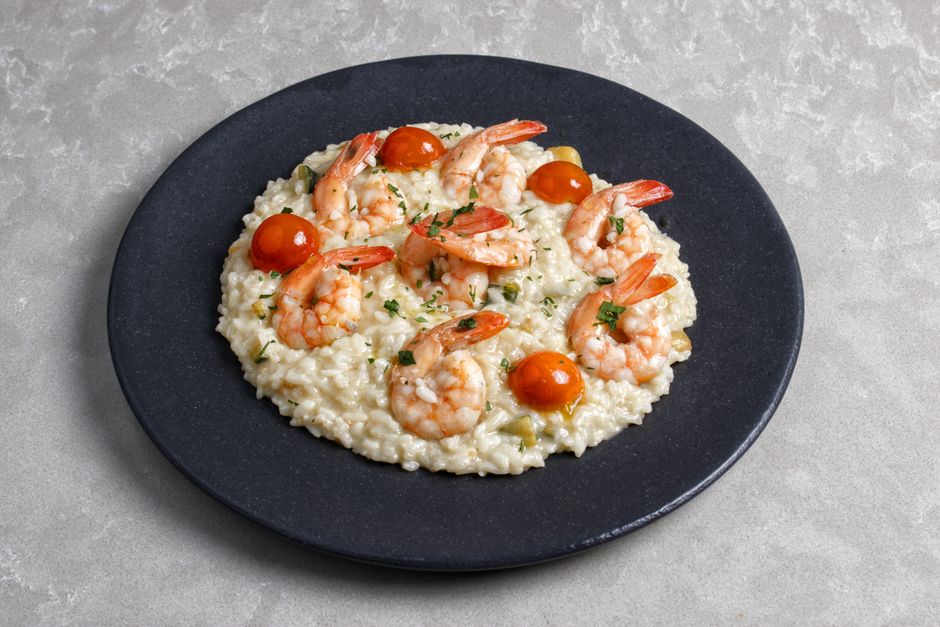
What it is: Short-grain rice (Arborio or Carnaroli) cooked slowly in butter, broth, white wine, saffron, and onion. The rice grains stay distinct, bound by creamy starch release, not cream.
Why Milan: Milan sits in the Po Valley, Italy's rice-growing heartland. Risotto is comfort food here, not a special dish. It's everyday sophistication.
Color: The saffron makes it golden-yellow. This is not optional; it defines the dish.
Where to eat it: Any trattoria. Don't wait for fancy restaurants. A €12 risotto at a neighborhood spot is often better than a €24 version at a touristy place.
Pro tip: The rice should have some tooth (al dente). Overcooked risotto is mushy and wrong. If it seems too soupy, that's actually correct; risotto is wetter than rice pilaf.
Verdict: Essential. Eat this at least once.
Ossobuco
What it is: A cross-section of veal shank, braised for hours in white wine, tomatoes, and broth until the meat falls off the bone. Traditionally served with risotto alla Milanese (risotto e ossobuco).
Why Milan: This requires access to young veal and long cooking time. It's a dish of patience and resources, very Lombard.
The bone: The marrow inside is part of the experience. Italians push the marrow onto bread. It's rich and intensely savory.
Where to eat it: Upscale or traditional restaurants. It's expensive (€28–40) and requires ordering in advance sometimes.
Price: The ingredient cost is high, so expect to pay. It's not a budget meal.
Verdict: Worth trying once if budget allows. It's textbook Milanese comfort.
Cotoletta (The Controversy)
What it is: A veal cutlet, breaded and fried in butter until golden.
The controversy: Is it Milanese or Austrian? Viennese schnitzel looks identical. Italians claim they invented it. Austrians disagree. The truth: both countries have versions, both predate modern nationalism, and the argument is silly.
Milan's approach: Thinner than schnitzel. Sometimes flattened extremely thin. Fried in butter (which makes it less crispy than schnitzel, which uses lard or oil). Often served with a squeeze of lemon.
Where to eat it: Any trattoria or restaurant. It's ubiquitous.
Cost: €12–18 for a simple version, €25+ at upscale places.
Honest assessment: It's good but not revelatory. You're eating a fried veal cutlet. It's delicious, but you probably knew you'd like it before tasting it.
Verdict: Try it, enjoy it, don't expect magic.
Panettone
What it is: A sweet, bread-like cake filled with candied fruits and raisins. Associated with Christmas but eaten year-round.
Why Milan: Panettone originated in Milan, likely in the 15th century. It's Milan's edible symbol.
Where to eat it: Bakeries and patisseries. Good versions are dense, fragrant, and not overly sweet.
Cost: €5–15 for a slice. €30–60 for a whole panettone from a good bakery.
Honest assessment: If you like candied fruit and dried fruits, you'll love it. If that's not your thing, it's very sweet and dense. No middle ground.
Timing: December and January are panettone season. You'll see them everywhere. Other months, they're available but less prominent.
Verdict: Try a slice, especially if you're in Milan in winter.
Other Dishes Worth Trying
Mondeghili: Fried meatballs made from leftover meat. Street food. €2–4 each. Authentic and cheap.
Cassoeula: A slow-cooked pork and cabbage stew. Winter comfort food. Rich and savory.
Anguilla in Umido: Stewed eel (freshwater eel from the lakes). Not for the squeamish, but it's a Milanese classic.
Busecca: Tripe stew. An acquired taste, but traditional.
Salumi: Cured meats. Mortadella, speck, prosciutto. Excellent quality in Milan because Lombardy has strong traditions.
Where to Eat: Restaurant vs. Street
Street food (Cheap):
- Panini with salumi.
- Arancini (rice balls, more southern but available).
- Focaccia.
- Cost: €3–8.
Trattorias (Mid-range):
- Where risotto and cotoletta live.
- Local clientele.
- €12–25 per person.
Upscale (Expensive):
- Where ossobuco and refined cooking happen.
- €40–80+ per person.
Strategy: Eat fancy once. Eat at trattorias the rest of the time. Avoid tourist-trap restaurants near Duomo.
The Aperitivo Food Tie-In
Remember the Navigli aperitivo? The finger snacks you get with your drink are Milan's casual food culture: salumi, cheese, olives, crackers, breadsticks. It's not a meal, but it's honest and efficient.
Dietary Restrictions
Vegetarian: Milan eats a lot of meat, but vegetarian options exist. Risotto (without meat broth), vegetable sides, pasta. Trattorias will adapt.
Vegan: Harder. Tell your restaurant in advance. They'll work with you, but it won't be the classic Milan experience.
Gluten-free: Italy has embraced gluten-free options (celiac disease is taken seriously). Restaurants have gluten-free pasta and bread. Ask ("Senza glutine").
Wine Pairing
Milan is in Lombardy, which produces excellent wines:
- Franciacorta: Sparkling. Perfect for aperitivo.
- Nebbiolo: Full-bodied red from the Piedmont region (nearby). Good with meat.
- Barbera: Lighter red. Good all-purpose option.
Stick to Lombardy or Piedmont wines. They pair better with the food than southern Italian wines.
Cost Reality
A full Milanese meal (risotto or pasta, ossobuco or cotoletta, dessert, wine):
- Budget: €25–35 per person.
- Mid-range: €35–55 per person.
- Upscale: €60–100+ per person.
Tourist areas near Duomo: Double these prices and halve the quality.
The Bigger Picture
Milan's food is about butter, rice, and meat. It's northern Italian comfort, different DNA than Rome or Naples or Sicily. Understanding this helps you understand Milan's culture (organized, efficient, well-resourced, unpretentious).
For full restaurant recommendations and neighborhood-specific eating guides, our Milan guide provides specific spots and reservation strategies.
Summary
Eat risotto alla Milanese at least once. Try ossobuco if budget allows. Have cotoletta because it's there. Enjoy the aperitivo culture. Taste panettone in winter.
Then move beyond the canonical dishes and eat what locals order. That's where real Milan taste lives.