ConciseTravel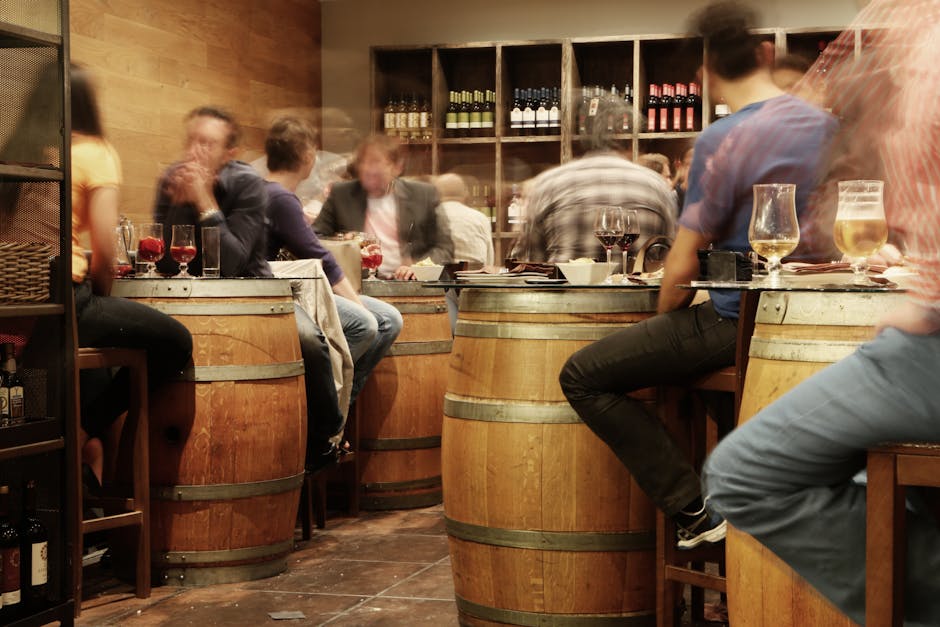
Tapas culture is the heart of Madrid social life. Small plates, drinks, conversation, and movement between bars—it's how locals eat dinner. La Latina and Cava Baja are the epicentres. Learn to tapeo (the art of bar-hopping for tapas) and you'll understand Madrid better than any museum visit.
What's Tapas, Actually?
Tapas are small plates—raciones (larger sharing portions), pintxos (small bites on bread), or just snacks. They're meant to be ordered in ones and twos, eaten standing or perched at a bar, and paired with a drink.
The ritual: You don't sit down at a table. You stand at the bar, order a drink and a tapa, eat, chat, move to the next bar. You're mobile, social, and experiencing the city as locals do.
Cost: €1-5 per tapa, usually. A drink (beer, wine, vermouth) is €2-4. A full evening eating and drinking at 3-4 bars costs €15-30.
Difference from restaurants: No tables (unless you sit down, which changes the price), no menus (you point or ask what's good), no waiting. It's transactional, social, and efficient.
La Latina: The Old City
What it is: The medieval heart of Madrid, narrow streets, plazas, history, and the highest concentration of tapas bars.
Why it's special: It feels authentic (though touristy). Streets wind unpredictably; plazas appear unexpectedly. Every corner has a bar. It's where locals have eaten tapas for centuries.
Best streets: Calle Cava Baja is the most famous (see below), but also explore Calle Cava Alta (parallel street, less crowded), Plaza Mayor area (tourist-packed but solid), and the winding streets between.
Vibe: Lively, packed (especially weekends), young and old mixed, music playing, people eating and drinking standing up.
Price: €2-4 per tapa (touristy area, so slightly marked up compared to elsewhere).
Pro move: Go early (6-7 PM) before peak crowds, or after 10 PM when it shifts to late-night mode.
Cava Baja: The Classic Tapas Street
What it is: A steep, narrow street lined entirely with tapas bars. It's the most concentrated tapas experience in Madrid.
Length: About 400 meters, but at 2-3 bars per block, you could easily spend 3-4 hours here.
Vibe: Vibrant, crowded, young, energetic. The street is essentially a continuous party.
Recommended bars on Cava Baja: There are so many that listing one over another doesn't matter—quality is consistent. Just walk down and pop into whichever looks busy and welcoming.
Pro tip: Most bars on Cava Baja are similar. The key is the people, the energy, and the social vibe—not any specific restaurant.
What to eat: Whatever looks good. Point at things in the display case or ask "¿Qué me recomiendas?" (What do you recommend?). Jamón, croquetas, calamari, mushrooms, patatas bravas, gambas—it's all good.
Pricing: €2-5 per tapa (standard for touristy Cava Baja).
When to go: Friday-Saturday nights are wild. Weeknight evenings are more relaxed. Avoid lunchtime (it's a dinner/evening thing).
How to Tapeo (Bar-Hopping)
The strategy:
- Start at one bar, order a drink and a tapa.
- Stand, eat, chat, enjoy the vibe.
- Move to the next bar (5-10 minute walk maximum).
- Repeat 3-4 times.
- Total evening: 2-3 hours, €20-30, full dinner experience.
Bar selection: Don't overthink it. Walk a street, look for crowds and energy, pop in. If it feels good, eat. If it doesn't, leave.
Ordering: Point at things or ask. "Una cerveza y unas croquetas, por favor" (A beer and some croquetas, please) works fine. Staff understand tourists.
Paying: Usually you pay per item as you order. If you sit down at a table, prices jump 20-30%.
Standing vs. sitting: Standing at the bar is cheaper, more social, and more authentic. Sitting is fine but defeats the purpose of tapeo.
What to Eat
Staples:
- Patatas Bravas: Fried potatoes with a spicy sauce. It's ubiquitous, addictive, and never disappoints.
- Croquetas: Ham, chicken, or mushroom. Creamy inside, crispy outside.
- Jamón Serrano: Thinly sliced cured ham. Sometimes on bread (montadito), sometimes on a plate.
- Calamari: Fried squid rings, usually with lemon.
- Gambas: Shrimp, usually sautéed in garlic and olive oil.
- Pulpo: Octopus, usually braised or grilled.
- Conservas: Tinned seafood (mussels, clams, etc.) on bread. Surprisingly good.
- Champiñones: Mushrooms sautéed in garlic and butter.
Pro tip: Every bar has its signature dish. Ask what they're known for.
Neighbourhoods Beyond La Latina
Chueca: Trendy tapas bars, slightly higher prices, good quality. Younger crowd.
Malasaña: Craft beer bars and modern tapas. Eclectic vibe, good energy.
Lavapiés: Cheap, diverse, often with immigrant-run bars serving food from other countries. Great value.
Sol/Gran Vía: Touristy, overpriced, avoid.
Evening Strategy
6-7 PM: Start in La Latina or Cava Baja, eat, drink, soak in the vibe.
8-9 PM: Second bar, different neighbourhood if you want variety. More substantial tapas here.
9-10 PM: Dinner or more tapas elsewhere.
10 PM+: Clubs, late-night bars, churros (if you're still hungry).
The Social Aspect
This is the key. Tapeo isn't really about food; it's about the ritual, the movement, the socializing, the human contact. It's how Madrilenians live their evenings. You're not a tourist eating; you're a person participating in Madrid culture.
Practical Tips
Dress: Casual, comfortable shoes (you'll walk 3-5 km). No need to dress up.
Language: Minimal Spanish needed. Pointing works.
Money: Bring cash (some small bars don't take cards). €20-40 for a full evening is plenty.
Timing: Start early enough that you're sober enough to enjoy it, but late enough that bars are packed and energetic. 6-8 PM is ideal start time.
Solo vs. group: Both work. Solo you'll chat with locals at the bar. Groups of tourists are fine too but miss some of the social integration.
Master Madrid in Minutes
Don't waste hours planning. Get our condensed, digital cheat sheet with everything you actually need.
Shop Guide on Etsy →