ConciseTravel
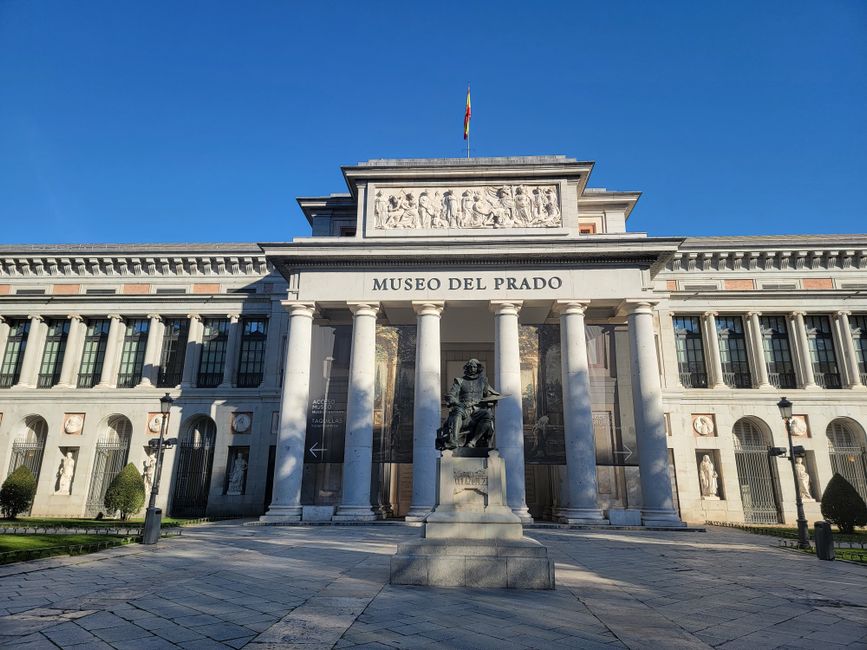
Madrid in winter surprises a lot of visitors. The assumption is that Spain equals warm, but Madrid sits on the central Meseta plateau at 650 metres above sea level. It is one of the coldest capitals in southern Europe in winter. January in Madrid is genuinely cold, clear, and dry. The Retiro Park in frost looks beautiful. The Prado is better without summer queues. The tapas bars are exactly as they should be. Pack properly and Madrid in winter is one of Europe's most enjoyable city breaks.
The Real Winter Temperature Story
Madrid in December averages 9-11C during the day, dropping to 2-4C at night. January is the coldest month, typically 8-10C in the day and 1-3C overnight. Frost is common, particularly in the early mornings. Snow falls on Madrid most winters, often briefly and clearing quickly, though some years bring more sustained cover.
The dryness is the other key factor. Unlike Atlantic cities, Madrid's winter is predominantly cold and clear rather than wet and grey. This makes it more manageable than the numbers might suggest. A cold day with clear blue sky and sunshine is a different experience from 5C and horizontal rain. But the temperature is real and evenings cool rapidly after sunset.
City-Specific Cold-Weather Must-Haves
A proper winter coat. Not just a medium jacket. Madrid in January and February requires a coat with genuine insulation. A padded jacket or a wool coat is the right level.
Warm mid-layers. A fleece or thick jumper under your outer coat handles the daytime temperatures and is essential for evenings.
Thermal base layers for the coldest days. Particularly for January and any morning walk in the Retiro when the temperature has been below zero overnight.
Smart clothes for evenings. Madrid takes its appearance and its dinner culture seriously. The city's tapas bars, restaurants, and social scene run late and people dress for it. A smart jacket, a decent shirt, or a stylish top is worth packing for evenings in Malasana or La Latina.
Comfortable walking shoes. Madrid's city centre is extremely walkable but covers significant distances. Comfortable shoes you can walk the Gran Via, the Retiro, and the Latina neighbourhood in are more important than anything waterproof (though grip helps on frosty mornings).
Waterproof layer for the occasional rain. Madrid's winter is dry but not rainless. A waterproof layer or coat is useful to have without being the primary focus.
What to Leave Behind
Summer clothing as your main wardrobe. January evenings at 2C require real layers. A Madrid winter trip with only light clothes is a cold experience by the second evening.
Sandals as your primary footwear. Not in January. Save them for the return trip in summer.
Only functional outdoor clothing. Madrid's social culture is a significant part of the experience. Casual-outdoor-only packing misses a large part of what the city offers.
Expectation of rain gear. Madrid is dry enough in winter that a waterproof layer is a backup item, not the primary weather defence.
Packing it Together
Proper winter coat, warm mid-layers, thermal base for coldest days, comfortable walking shoes, smart clothes for evenings, and a waterproof layer as a backup. Madrid in winter is excellent: cold but clear, with one of Europe's great art collections, exceptional food culture, and nightlife that runs later than anywhere else on the continent.
The ConciseTravel Madrid guide covers the Prado and Reina Sofia, the best tapas bars, the Retiro, and the neighbourhood breakdown: https://concisetravelguides.etsy.com/uk/listing/4467631473/madrid-travel-guide-cheat-sheet-spain
Master Madrid in Minutes
Don't waste hours planning. Get our condensed, digital cheat sheet with everything you actually need.
Shop Guide on Etsy →