 ConciseTravel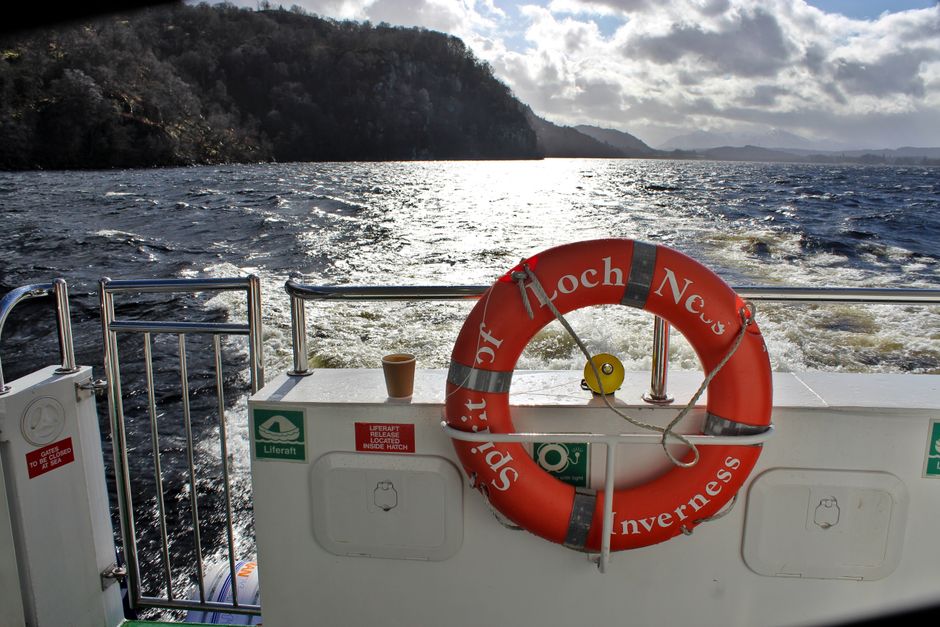
Loch Ness does not need a monster to be worth visiting. This is one of the most atmospheric bodies of water in Britain: 37 kilometres long, over 200 metres deep, holding more fresh water than all the lakes in England and Wales combined, and frequently shrouded in morning mist that makes even a sceptic feel like something might surface at any moment.
Nessie helps, of course.
What Loch Ness Actually Is
Loch Ness sits along the Great Glen, the geological fault line that cuts diagonally across the Highlands from Fort William to Inverness. Its enormous depth and dark peaty water give it a genuinely eerie quality even in good weather.
The loch is consistently around 5 to 6 degrees Celsius year-round, which means it never freezes and maintains its dark, opaque character in every season.
Urquhart Castle: The Anchor Point
Most visitors anchor their Loch Ness visit around Urquhart Castle, a ruined medieval fortress on a promontory above the western shore. The views from the ruins are excellent: loch stretching away in both directions, with the mountains behind.
Urquhart was blown up in 1692 to prevent Jacobite use, and it has been photogenically ruined ever since. The visitor centre (managed by Historic Environment Scotland) is genuinely good, with a film about the castle's history and some well-preserved artifacts.
Practical notes:
- Tickets cost around £15 for adults. Book online in advance to guarantee entry in summer
- Parking is limited. Arrive early or use the park-and-ride bus from Drumnadrochit
- The castle is on the western (A82) side of the loch, about 15 miles from Inverness
The Nessie Question
The earliest recorded sighting of a creature in Loch Ness dates to 565 AD, when Saint Columba reportedly encountered a water beast in the River Ness. Modern monster fever began with a famous 1933 newspaper report and reached peak global attention after a 1934 photograph (later admitted as a hoax) showed a long-necked creature.
The loch has since been surveyed with sonar, underwater cameras, and environmental DNA analysis. No conclusive evidence of a large unknown animal has emerged. A 2023 eDNA study found no reptile DNA in the loch.
None of which stops people looking. The Official Loch Ness Monster Exhibition Centre in Drumnadrochit covers the full history of sightings and investigations, and does it fairly honestly. Worth a couple of hours.
When to "spot" Nessie:
The best conditions, if you are playing the game seriously, are early morning on calm days when mist sits on the surface and any disturbance is visible. Autumn mornings are good for this. The eastern shore road (B862) is quieter than the A82 and gives long views down the loch.
No time of year or specific spot guarantees anything. That is rather the point.
The Two Sides of the Loch
Most visitors stick to the western shore (A82): Drumnadrochit, Urquhart Castle, Fort Augustus at the southern end. This is the busier, more developed side.
The eastern shore (B862) between Inverness and Fort Augustus is quieter, narrower, and in places higher, giving better overview perspectives of the loch. The Falls of Foyers are on this road: a spectacular waterfall that drops into the loch and takes around 20 minutes to walk to from the car park.
If time allows, drive both sides and complete the loop.
Loch Ness Cruises
Several operators run boat trips on the loch. A cruise combines narration about Nessie and the castle with the experience of actually being on the water, which gives you an entirely different perspective on the loch's scale.
Trips range from 1-hour cruises to half-day excursions with stops. Most depart from Drumnadrochit. Book in advance in summer.
Getting There from Inverness
Loch Ness is 30 minutes from Inverness by car. Buses also run regularly along the A82 western shore between Inverness, Drumnadrochit, and Fort Augustus.
The loch is often included in day trips from Edinburgh and Glasgow (around 3.5 to 4 hours each way). If doing it as a day trip from Edinburgh, consider going straight to Loch Ness first and stopping at Culloden Battlefield on the way back into Inverness.


