ConciseTravel
Five days in Rome is solid. You'll cover the essentials with breathing room, which is more than most cities can promise at that length. Rome is genuinely large and layered, so five days won't scratch every surface, but it's more than enough to leave with a real sense of the place rather than just a checklist of monuments.
What You Can Realistically Do
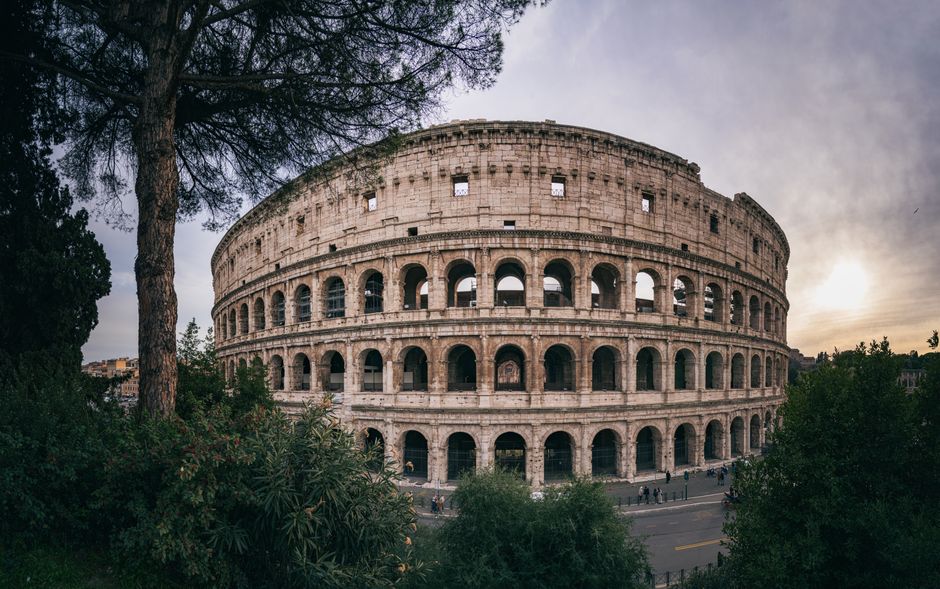
The big ticket sites can be spread across the week rather than crammed into two days. The Vatican and Sistine Chapel alone warrant a full morning, ideally booked early with a skip-the-line ticket. The Colosseum, Roman Forum, and Palatine Hill are logically combined into one long day. The Borghese Gallery, which requires advance booking in small timed groups, is one of Rome's best experiences and fits cleanly into a half-day. Trastevere is worth an evening rather than a rushed hour, and five days gives you that.
You'll also have time to wander without purpose, which is how Rome actually rewards you. Getting lost between Campo de' Fiori and the Pantheon, eating a proper lunch in Testaccio, finding a quiet church with a Caravaggio that nobody queues for: this is where five days earns its place.
What You'll Probably Miss
Rome could absorb two weeks and still have more to give. The Appian Way, with its catacombs and ancient road surface, is a compelling half-day but rarely makes it onto a five-day itinerary. Ostia Antica, Rome's best-preserved ancient port city, is an easy train ride and often left out in favour of more central sights. The Aventine Hill, MAXXI museum, and the quieter churches of the Esquiline and Caelian Hills are all worth time but tend to get cut.
If you're interested in day trips, Tivoli with Hadrian's Villa and Villa d'Este is excellent, but fitting it in alongside the main Rome sights requires good planning.
How to Make the Most of It
Book the Vatican, Colosseum, and Borghese Gallery before you arrive. All three have timed entry, and arriving without tickets means queuing for hours or missing out. This is not optional advice.
Stay somewhere central, ideally between Trastevere and Termini. Rome is walkable at its core but larger than it looks on a map, and the neighbourhoods further out eat time on the metro. A central base means more spontaneous wandering and less logistical friction.
Our Rome guide covers the full breakdown of what to prioritise across five days, which areas to stay in, and how to navigate the booking system for the major sites.
Master rome in Minutes
Don't waste hours planning. Get our condensed, digital cheat sheet with everything you actually need.
Shop Guide on Etsy →