 ConciseTravel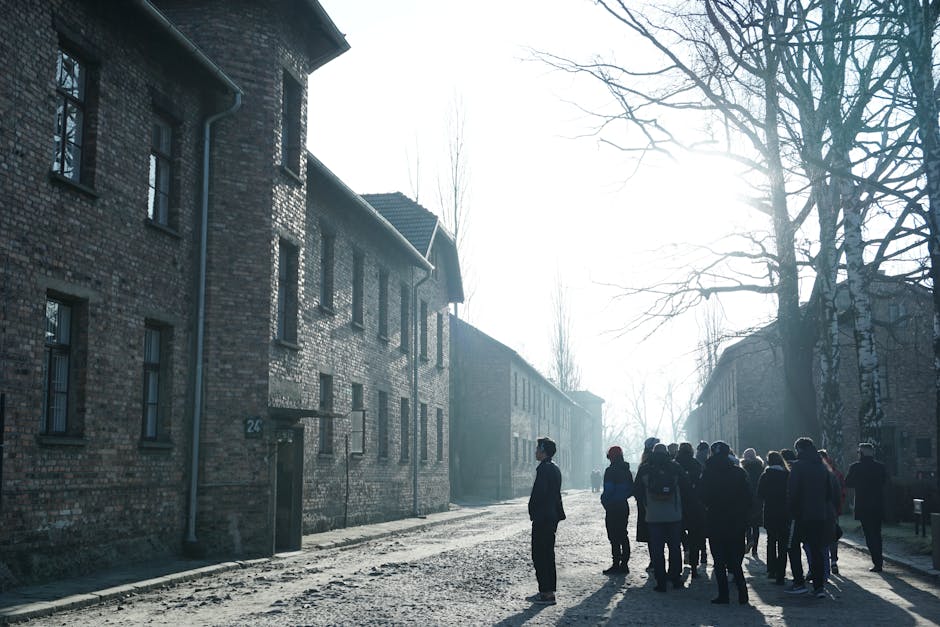
Auschwitz-Birkenau is 70 km west of Krakow, near the town of Oswiecim. Between 1940 and 1945, the German Nazi regime operated the largest extermination complex in history here: Auschwitz I (the original camp), Auschwitz II-Birkenau (the extermination camp where the majority of the killing took place), and Auschwitz III-Monowitz (a labour camp). Approximately 1.1 million people were murdered here, the vast majority Jewish.
It is the most significant site of the 20th century within reach of Krakow and it requires more preparation than most day trips.
Booking
Entry to the memorial site is free. Guided tours are not free (approximately 85 PLN) and are strongly recommended — visiting without a guide, particularly Birkenau, leaves the scale and purpose of what you're seeing uncontextualised in ways that matter. Guided tours through the official Auschwitz-Birkenau Memorial website sell out months in advance for peak dates. Book before you book anything else in Krakow.
If the official tours are full, organised day trips from Krakow (via Viator and other operators) include transport, a licensed guide, and entry — these often have availability when the direct site booking is exhausted.
Auschwitz I vs. Birkenau
Auschwitz I is the original camp: the brick barracks, the "Arbeit Macht Frei" gate, the prisoner blocks converted into exhibition spaces, the gas chamber (restored, as the SS partially demolished it on retreat). It is where most guided tours begin. The exhibitions in the barracks are extensive and include the physical evidence of industrial killing: rooms of hair, shoes, suitcases, personal belongings confiscated from those who were murdered.
Auschwitz II-Birkenau is 3 km from the main camp. This is where the mass extermination took place: the destroyed crematoria and gas chambers (blown up by the SS), the selection ramp where arriving transports were divided between those sent immediately to the gas chambers and those assigned to forced labour, the remains of the prisoner barracks stretching across a vast flat plain. The scale of Birkenau is physically and psychologically overwhelming in a way Auschwitz I is not. Do not leave without seeing it.
Shuttle buses run between the two sites.
How to Get There
Organised day trip: the most common approach for Krakow visitors. Pickup from city centre hotels, transport both ways, guide included. Takes a full day (typically 7 hours including travel). Multiple operators available via Viator.
Public bus: Oswiecim-bound buses from Krakow's MDA bus station, journey approximately 1.5 hours. The Auschwitz Memorial site runs a shuttle from Oswiecim station. Cheaper and slower; gives more flexibility over timing.
Train: Krakow to Oswiecim, approximately 1.5–2 hours. Less direct than the bus.
What to Bring
Comfortable walking shoes — the sites involve significant walking on gravel and grass. No food or drink inside the camp perimeter (there is a cafeteria near the entrance). Respectful clothing. The experience is emotionally demanding. Do not treat it as a tourist attraction.
Our Take
This is not optional if you're in Krakow and have any connection to the history of the 20th century. Book the guided tour first, organise everything else around it. Allow a full day and nothing scheduled immediately after.


