 ConciseTravel
Munich runs for two weeks every September and October as a version of itself that has been turned up to maximum. Six million visitors, beer tents that seat thousands, hotel prices that can triple overnight, and a city that pivots almost entirely toward a single event. If Oktoberfest is what you came for, you'll get it. But if you came for Munich, you might be surprised at what's missing.
What Oktoberfest Actually Is
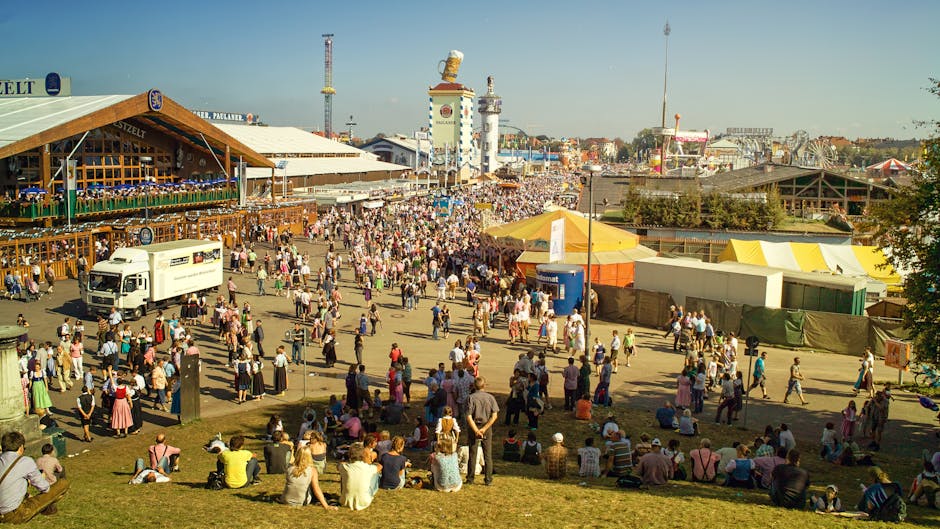
The festival itself runs from late September into the first weekend of October. The Theresienwiese, a large open ground about a kilometre from the city centre, becomes a city within a city: giant tents operated by Munich's major breweries, fairground rides, food stalls, and the kind of crowd that makes airport security look relaxed.
The beer is good. Masskrug steins, fresh pretzels, roast chicken, the full experience. The atmosphere inside the tents, especially earlier in the week, has genuine energy. We're not telling you it's bad. We're telling you it comes with significant costs that most travel content glosses over.
The Costs Nobody Advertises
Hotels in Munich during Oktoberfest book out months in advance and charge accordingly. A room that runs 120 euros in November can reach 350 to 500 euros in late September without breaking a sweat. The cheaper options are gone by January. If you haven't planned well ahead, you're either paying heavily or staying very far out.
Inside the tents, reservations for tables are controlled by the tent operators and typically allocated to corporate clients and long-standing groups. Walk-ins can queue from early morning for unreserved standing room. On peak weekends, getting a seat without a reservation is not guaranteed even if you arrive at opening. The crowd on Friday and Saturday nights has a significant contingent of people who have been drinking since noon and whose behaviour reflects that. It's rowdier than the advertising suggests.
The city itself during the festival weekend is stretched. Restaurants away from the Theresienwiese are busier. The U-Bahn is packed. The general vibe of Munich, which is usually unhurried and genuinely pleasant, gets compressed under the weight of the event.
What Munich Is Without Oktoberfest
Munich outside the festival is one of Germany's most liveable and visitor-friendly cities. The Englischer Garten is the most used urban park in Germany and in summer and early autumn has a river surfing spot at the Eisbach that draws a permanent audience. The Marienplatz and the Viktualienmarkt, the city's central food market, operate every day with a quality and variety that hold up to anything in Europe.
The museum quarter, the Kunstareal, has the Deutsches Museum, the Alte Pinakothek, the Neue Pinakothek, and the Pinakothek der Moderne within walking distance of each other. The Deutsches Museum alone, a science and technology museum spread across a river island, can absorb an entire day without effort. These places exist during Oktoberfest too, but the city's attention isn't on them.
The Sweet Spot: Late October Into November
After the tents come down, Munich settles into a version of itself that rewards visiting. Prices drop sharply. The Englischer Garten goes golden. The Christmas markets start in late November and the city handles them with less tourist overwhelm than most German cities manage. Beer halls like the Hofbräuhaus and the Augustinerkeller operate year-round and are better experienced without competition from six million visitors for a seat.
If autumn colour and Bavarian food culture matter to you, the window between mid-October and late November is more satisfying than the festival period and costs less.
The Day Trip Case
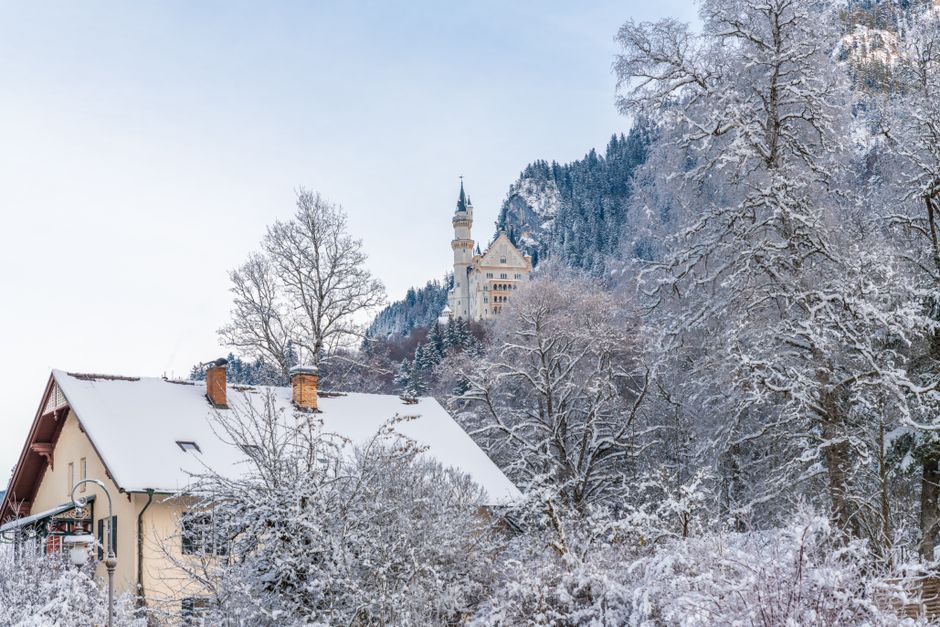
Munich's position in Bavaria makes it a strong base for day trips that have nothing to do with beer. Neuschwanstein Castle is 90 minutes by train. The Salzburg day trip runs regularly and puts you in Austria within two hours. Garmisch-Partenkirchen is an hour south with walking and cycling in the foothills of the Alps. These options exist in any season, but the logistics and crowds are more manageable outside the festival window.
Go to Oktoberfest if the event itself is the goal. Plan it properly, book six months ahead, manage expectations about what you can get into without a reservation. But if Munich is the goal, the festival is one of its less characteristic expressions. The city is better than the event.
Our Munich city break guide covers the city's neighbourhoods, museums, day trip options, and how to get the most from Bavaria's capital in any season.