ConciseTravel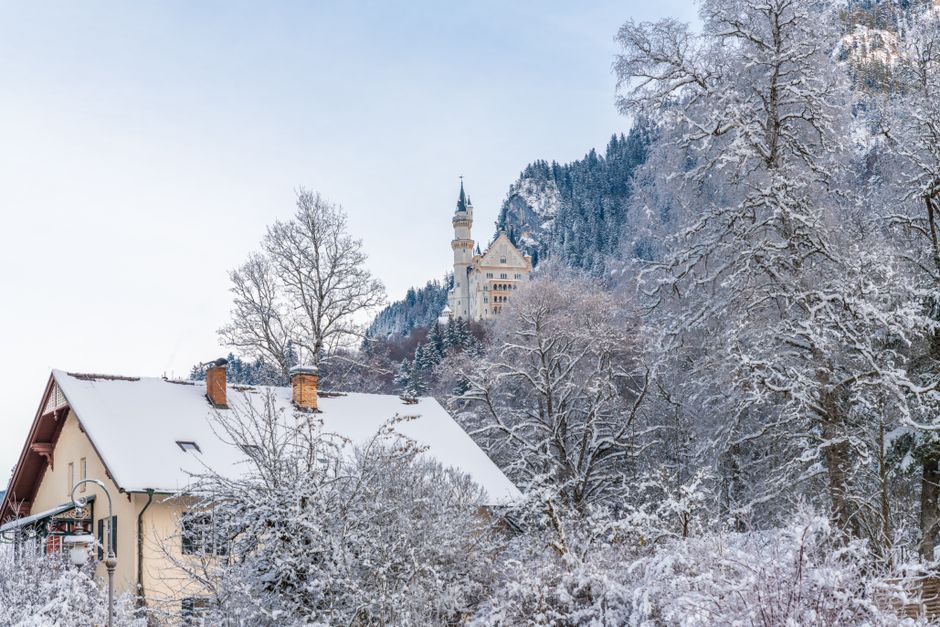
Munich in winter is one of Germany's most compelling city break destinations. The Christmas markets on Marienplatz and through the old town are world-famous for good reason. The beer halls run year-round with the same energy as Oktoberfest minus the crowds. The Deutsches Museum, the Alte Pinakothek, and the city's extraordinary museum quarter operate regardless of the weather. And the Bavarian Alps are visible from the city on clear days, covered in snow from November onward. The cold is genuine. The experience is worth it.
The Real Winter Temperature Story
Munich's winter is properly cold. December averages 2-4C. January is the harshest month, with daytime temperatures of 0 to 2C and overnight lows regularly reaching -5 to -8C. February is cold but with occasional warmer days. Snow is a reliable feature of Munich's winter, and the city's proximity to the Alps means cold air masses arrive frequently and with real force.
The Christmas markets in December are the primary reason many people visit. These are outdoor experiences lasting several hours. Being warm enough to enjoy mulled wine at a market stall in 0C weather in December requires proper cold-weather gear, not just an autumn jacket. Plan for proper cold throughout December, January, and February.
City-Specific Cold-Weather Must-Haves
A heavy winter coat. Down-filled or heavily wool-insulated. Munich's January is not a medium-jacket situation. The outdoor Christmas market experience and the city's open squares demand real warmth.
Thermal base layers, top and bottom. Essential from December through February. Both layers for the coldest days.
A thick mid-layer. A fleece or heavy wool jumper between thermals and your outer coat adds critical insulation.
Insulated waterproof boots. Munich in winter brings snow and wet streets. Boots with waterproofing, insulation, and grip handle the conditions reliably.
Warm hat covering ears. The Marienplatz is an open square exposed to Bavarian winter wind. Ear coverage is necessary.
Full-finger gloves. Proper insulated gloves for the outdoor market time. Touch-screen compatible if you use your phone frequently.
A warm scarf. Gap coverage between hat and coat collar. Earns its place from December through February.
What to Leave Behind
A medium autumn jacket as your main outer layer. Insufficient for December Christmas markets in below-freezing temperatures and completely inadequate for January.
Fashion boots with smooth soles. Munich's winter streets with snow and ice require grip. Practical over stylish on the footwear front.
Cotton base layers. Wool or synthetic fabrics manage cold better. Cold damp cotton is one of the least comfortable sensations in winter sightseeing.
Only casual clothes. Munich's restaurants and beer halls range from relaxed to fairly smart. A step up from walking clothes for evenings is worth having.
Packing it Together
Heavy winter coat, thermal layers, thick mid-layer, insulated waterproof boots, hat, full gloves, and a warm scarf. Munich in winter requires the full cold-weather approach. Come properly dressed and the city delivers some of the best Christmas market atmosphere in Europe, excellent beer, and a museum quarter that would justify the trip in any weather.
The ConciseTravel Munich guide covers the Christmas markets, the beer halls, the Englischer Garten, and the day trip to Neuschwanstein: https://concisetravelguides.etsy.com/uk/listing/4469162382/munich-travel-guide-2026-pdf-digital
Master Munich in Minutes
Don't waste hours planning. Get our condensed, digital cheat sheet with everything you actually need.
Shop Guide on Etsy →