ConciseTravel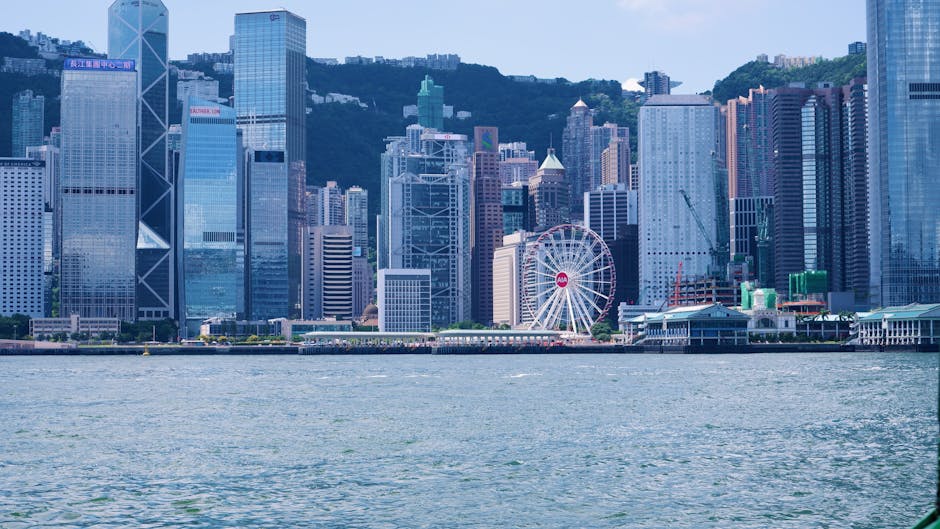
The Biggest Decision You Make Before You Arrive
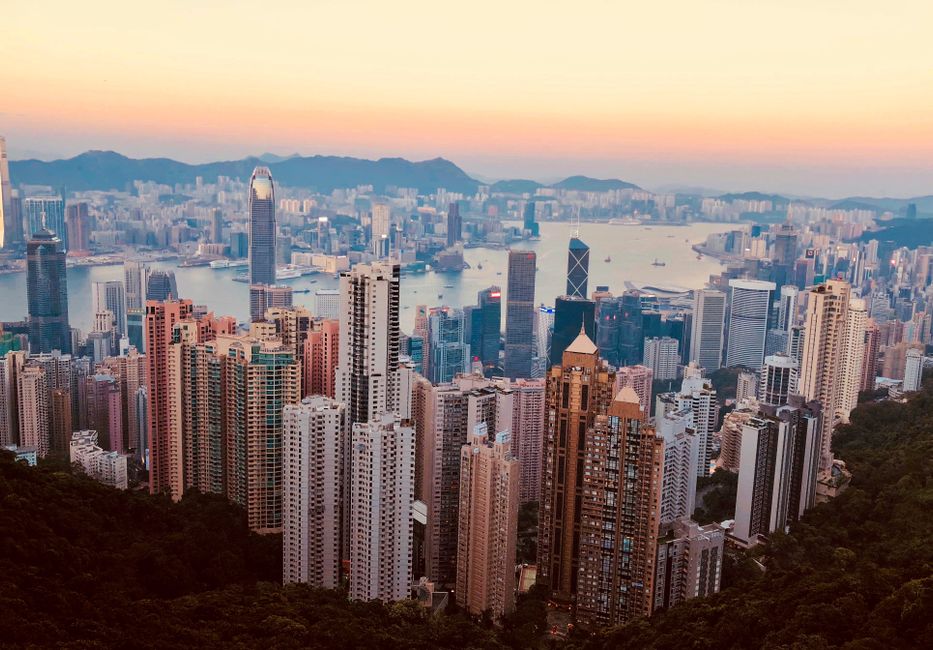
Hong Kong is a small territory, but where you base yourself shapes how your days feel. The neighbourhoods on Hong Kong Island and Kowloon have genuinely different energies, price points, and logistical conveniences. Making the right call depends on what kind of trip you are planning.
The MTR connects everything efficiently, so no area leaves you stranded. But staying somewhere that already puts you close to what you care about removes a journey from every morning.
Hong Kong Island: The Financial and Cultural Heart
Central and Admiralty
Central is Hong Kong's business district and the centre of the city's professional life. During the day it hums with office workers, lawyers, and bankers. By evening it transforms: Lan Kwai Fong fills with bars, Soho comes alive with restaurants, and the Mid-Levels escalator carries a different kind of crowd up the hill.
Who it suits: Visitors who want to be in the most connected part of the city. The Airport Express terminates at Hong Kong Station in Central, which means you step off the train and are already where you need to be. The Star Ferry piers, the Peak Tram, and many of the city's best restaurants and bars are within walking distance.
The caveat: Hotels here are expensive. Central is one of the priciest neighbourhoods to stay in. If budget matters, you pay for the location.
Wan Chai and Causeway Bay
A few MTR stops east of Central, these neighbourhoods offer a different mix. Causeway Bay is one of the most dense shopping districts in Asia - Times Square, SOGO, and dozens of smaller shops fill its blocks. Wan Chai sits between Central and Causeway Bay and has a more mixed character: office buildings, old tenement blocks, markets, and a nightlife strip.
Who it suits: Visitors who want convenience for shopping and good access to the tram route along the northern part of the island. Also good for people who want to be on Hong Kong Island without paying Central prices.
Sheung Wan
West of Central, Sheung Wan is one of the most interesting places to base yourself in Hong Kong right now. It has older architecture, traditional shops selling dried seafood and herbal medicine, trendy cafes hidden among them, and a distinctly neighbourhood feel. It is walkable to Central and has its own MTR station.
Who it suits: Visitors who want local character and easy access to the city without being in the thick of the tourist corridor.
Kowloon: Dense, Affordable, and Incredibly Energetic
Tsim Sha Tsui (TST)
The southern tip of Kowloon, directly across the harbour from Central. Tsim Sha Tsui has the density of a city within a city: Nathan Road, the waterfront promenade, the Avenue of Stars, Harbour City mall, and the cultural institutions around the waterfront. The Star Ferry pier is here. So is the famous Peninsula Hotel.
Who it suits: First-time visitors who want proximity to the main sights, the harbour view of Hong Kong Island, and the convenience of the Kowloon MTR lines. Hotel options range from budget hostels to genuine luxury, making it the most flexible neighbourhood in terms of price point.
The caveat: It is touristy. Nathan Road in TST has a well-worn feel that comes from decades of being the main tourist corridor. That is not necessarily bad, but if you want to feel less like a visitor and more like a temporary resident, you might look elsewhere.
Mong Kok and Jordan
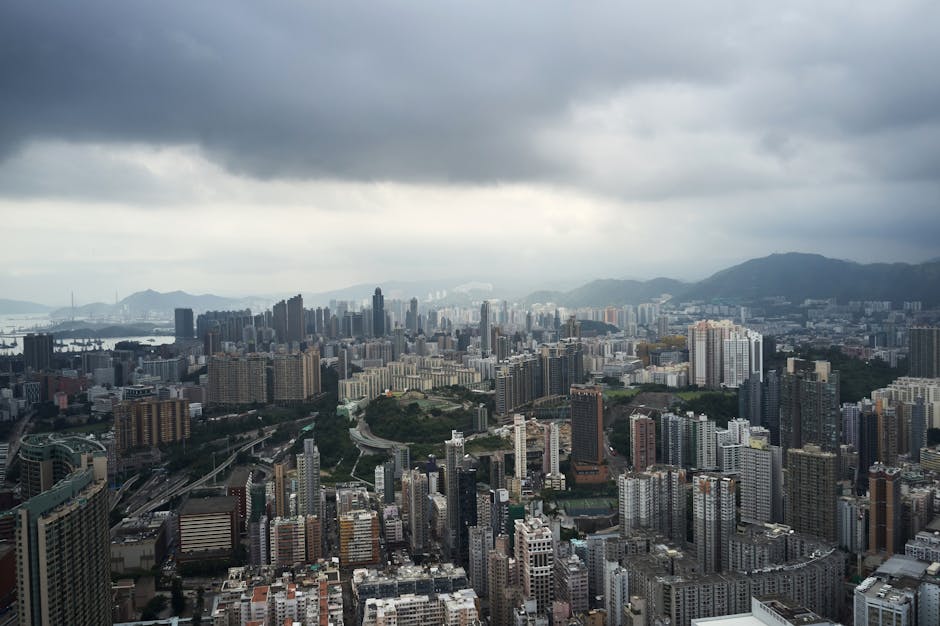
A few stops north on the MTR, Mong Kok is among the most densely populated places on earth. The streets are narrow and packed, the markets run at full volume, the neon signs are intense even by Hong Kong standards. It is genuinely, unapologetically local.
Who it suits: Visitors who want to be in the thick of street life, access the Ladies Market and Temple Street easily, and spend as little as possible on accommodation while staying somewhere central. Budget and mid-range hotels here are often significantly cheaper than equivalent options in TST or on Hong Kong Island.
The caveat: It is loud and does not quiet down until late. If you need silence to sleep, this is not your neighbourhood.
Sham Shui Po
Further north, Sham Shui Po has gone through a rapid transformation from pure working-class neighbourhood to something more interesting: the electronics and fabric markets remain, but so do increasingly good cafes, creative spaces, and small restaurants. It is less immediately convenient for major sights but gives a more authentic slice of how many Hong Kongers actually live.
The Outlying Islands: A Completely Different Option
Lamma Island and Cheung Chau both have small guesthouses and holiday flats. Staying on the islands means trading city access for waking up to the sound of the sea and a pace that the city never offers. Ferries from Central run frequently. This works best as an add-on to a longer trip rather than a base for a short first visit.
The Honest Summary
- First visit, want everything easy: Tsim Sha Tsui or Central
- Want local character on Hong Kong Island: Sheung Wan or Wan Chai
- Budget matters: Mong Kok or Jordan
- Want something genuinely different: The outlying islands