ConciseTravel
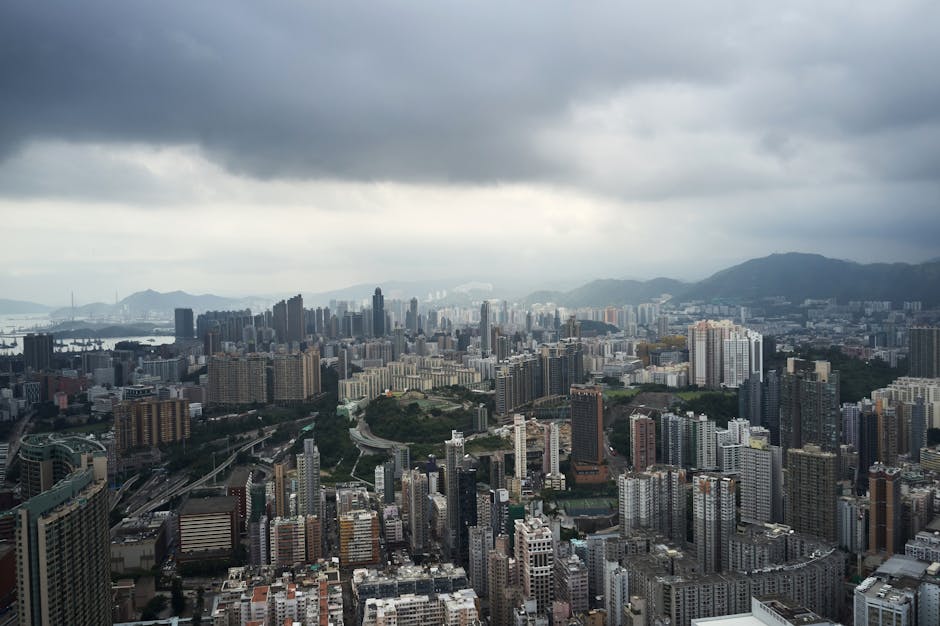
Hong Kong in summer is as intense as cities get. June through August brings temperatures of 30 to 34 degrees Celsius alongside humidity levels that hover around 85 percent, turning the air into something closer to warm soup than anything you would describe as refreshing. Typhoon season runs from June to September, meaning serious storms are a genuine possibility. Add relentlessly cold air conditioning indoors and you have a packing challenge that requires thinking about multiple environments simultaneously.
The Heat/Weather Strategy
Outdoor Hong Kong in summer is a test of heat management. The combination of temperature and humidity means your body cannot cool down effectively through sweating: the air is already too saturated with moisture. You will feel the heat within minutes of stepping outside. The practical response is to plan outdoor activities in the morning before noon, use the city's exceptional air-conditioned MTR network for midday movement, and accept that every outdoor excursion will leave you needing a change of clothes.
Typhoon warnings are graded by number. A Typhoon 8 or above signal means transport stops and you stay put. Watch the Hong Kong Observatory alerts.
City-Specific Must-Haves
Ultra-light, moisture-wicking fabrics are the foundation of everything you pack. Standard cotton becomes a damp, heavy problem within an hour outdoors. Technical lightweight fabrics that dry fast and wick moisture away from skin are the correct choice. Pack more sets of clothing than you think you need: daily changes are likely.
A compact rain poncho is essential, not just for typhoon risk but for the heavy daily downpours that can arrive without a full typhoon warning. Fold-flat ponchos pack to nothing and handle Hong Kong rain far better than umbrellas in wind.
A light layer for indoors. This is the paradox of Hong Kong packing: it is 33 degrees outside and 18 degrees in every restaurant, office, and shopping mall. Pack a thin cardigan, a light long-sleeved layer, or a light scarf to put on once you go inside. Without this you will be freezing within 20 minutes of entering any air-conditioned space.
Comfortable shoes that handle wet pavements. Hong Kong's streets are frequently wet in summer, and the combination of rainfall and heavy foot traffic creates slippery surfaces. Shoes with grip and quick-dry properties work better than leather or slow-drying materials.
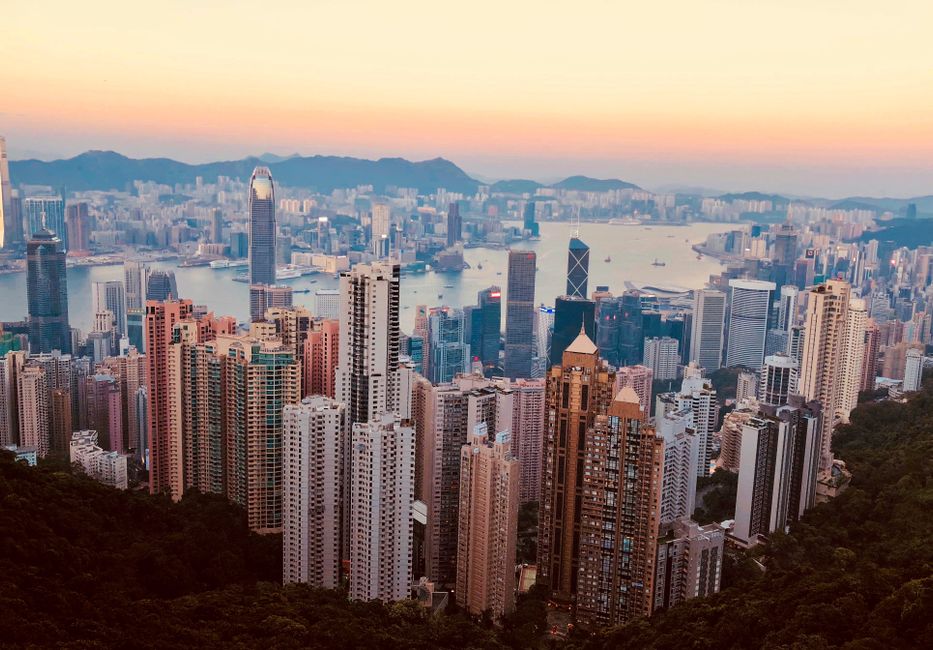
Sunscreen for outdoor activities: the Peak, Lantau Island, and the harbour promenade all involve direct UV exposure. High SPF.
What to Leave Behind
Anything that takes a long time to dry is a problem. Hong Kong's humidity means clothes left in a non-air-conditioned room will not fully dry overnight. Pack fast-drying fabrics only.
Formal clothing is mostly unnecessary unless you have a specific occasion. Hong Kong's restaurants are sophisticated but dress codes are casual.
Plan the Full Trip
Heat strategy in place. The guide covers the MTR system, which Peak Tram times to avoid, and the Kowloon versus Hong Kong Island question that shapes every itinerary.