ConciseTravel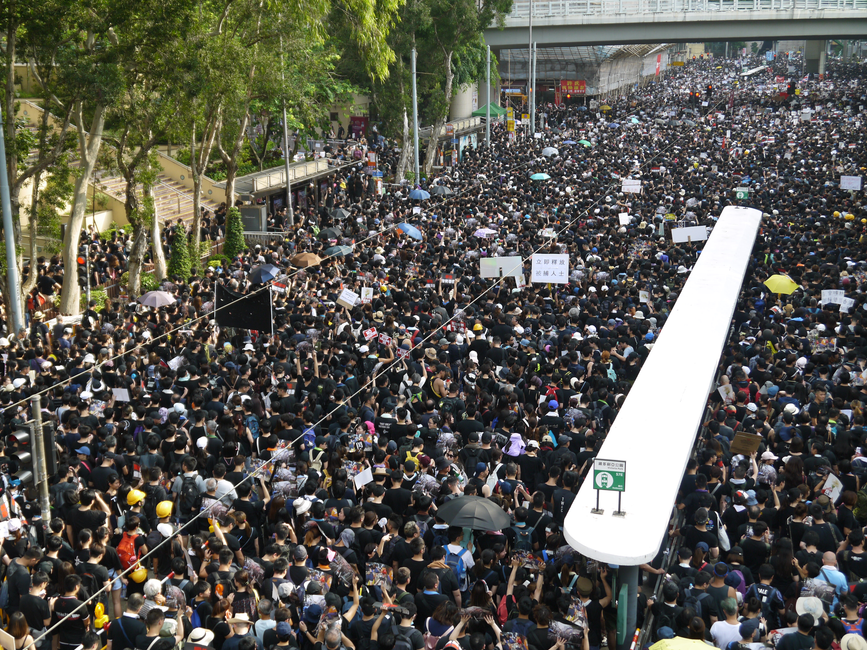
Yes, Hong Kong is physically safe for tourists. Its violent crime rate is low, public spaces are clean and well-managed, and the public transport system is one of the best in the world. However, the political environment has changed significantly since 2020, and that's part of the honest picture for visitors.
The Real Risks
Petty crime is rare in Hong Kong by international standards. Pickpocketing and bag snatching occur but at much lower rates than most comparable Asian or European cities. The MTR (metro) and public transport are safe and efficient.
The political situation deserves honest mention. The 2020 National Security Law significantly expanded the definition of illegal activity in Hong Kong, and activities that would be routine in western countries (protest, certain types of criticism, possession of political material) are now illegal. As a tourist, you're unlikely to encounter this directly, but it's worth knowing that the legal environment is different from what you may be used to.
Typhoon season (June to November) brings genuine weather risk. If a Signal 8 or higher typhoon warning is issued, stay indoors. Transport shuts down and conditions are dangerous.
Scams and overcharging are less common than in mainland Chinese tourist cities but do occur in electronics shops in Tsim Sha Tsui and at some tourist-oriented markets.
Solo Travel and Specific Groups
Solo female travelers find Hong Kong extremely easy to navigate. The city is dense, bright, and rarely feels unsafe. Public transport is safe at all hours.
LGBTQ+ travelers should be aware that same-sex relationships are not recognised under Hong Kong law, and the National Security Law has affected the visibility of LGBTQ+ advocacy. The city has a social scene and is broadly cosmopolitan, but legal protections are limited.
Practical Safety Tips
- Use the MTR rather than street taxis for most journeys; it's faster, cheaper, and hassle-free.
- Check the Hong Kong Observatory website or app for typhoon warnings during typhoon season.
- Avoid unlicensed electronics shops that promise deals on cameras or phones.
- Keep bags close on busy shopping streets in Mong Kok and Tsim Sha Tsui.
- Know your country's travel advisory status before visiting; political conditions can evolve.
Our Hong Kong travel guide covers the city's transport, neighbourhoods, and how to navigate one of the world's most dense and fascinating urban environments.