ConciseTravel
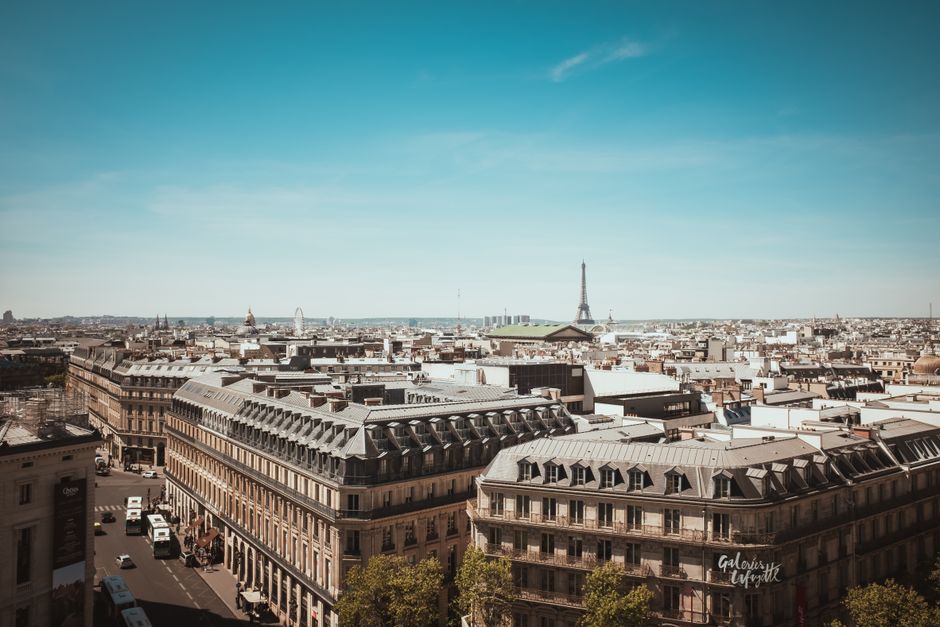
Paris gets more visitors than almost any other city on earth, and that reality shapes every season. The question isn't whether Paris is worth it -- it obviously is -- it's when the maths works in your favour.
Spring (March to May)
The Postcard Season, With Caveats
Spring is Paris at its most photogenic: blossom on the boulevards, light on the Seine, outdoor terraces coming back to life. It's also when the city starts filling up again after winter. By late April the Eiffel Tower queue can stretch to two hours without a timed ticket. The Louvre and Musee d'Orsay operate at high occupancy from Easter onwards.
April in particular requires booking everything in advance. Hotel rates in April sit around £180-£300 per night for central three-stars, reflecting demand. The city rewards pre-planning in spring in a way it doesn't in February.
March is quieter and often overlooked. Temperatures hover around 8°C-12°C, which is chilly but genuinely manageable for walking. Museum queues are shorter, prices are lower (£130-£200 per night), and the city has a quieter energy that some travellers prefer to the more performative bustle of high spring.
Summer (June to August)
Busy, Hot, But Not Broken
Paris doesn't tip into the same dysfunction as Rome or Barcelona in August, partly because it's large enough to absorb pressure and partly because Parisians famously leave the city themselves in summer. August can actually feel slightly quieter in some neighbourhoods than July.
That said, tourist-facing Paris in summer is very busy. The Eiffel Tower, Louvre, and Versailles (technically just outside the city, but a common day trip) all operate at peak pressure. Temperatures in July and August regularly reach 28°C-32°C, occasionally higher. The Metro in a heatwave is a specific experience.
June is the most compelling summer month: long evenings, Paris in full stride, temperatures around 20°C-24°C, and a few weeks before the July surge. Fete de la Musique on 21 June turns the entire city into a free music festival. That's a hard thing to compete with.
Hotel rates peak in July at £250-£450 per night for central options.
Autumn (September to November)
The Professional's Choice
Autumn gives you the Paris that rewards research. September maintains good temperatures (17°C-22°C), crowds thin from their summer peak, and prices drop noticeably. Fashion Week in late September and early October drives specific hotel demand, so check dates if that's your window.
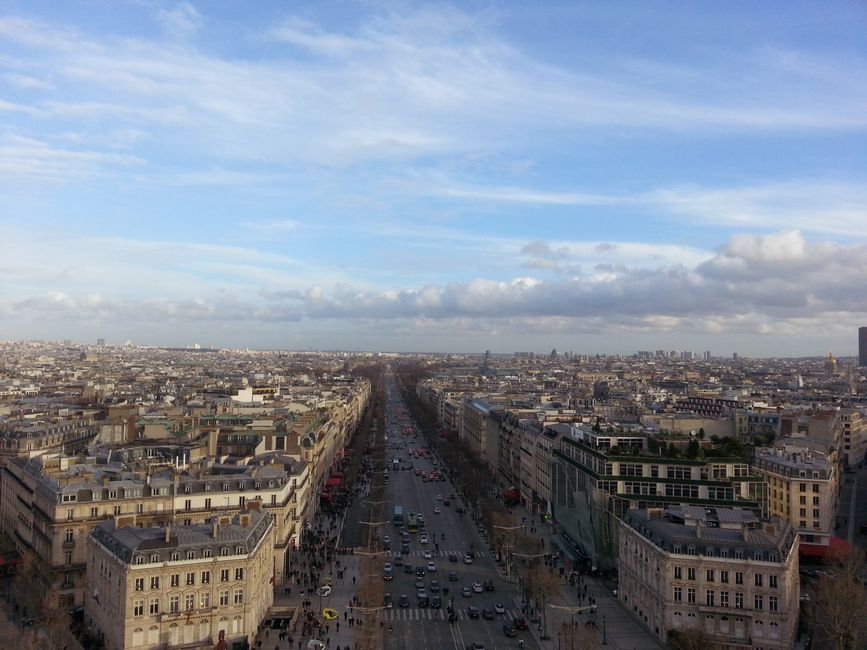
October is genuinely excellent. The trees along the Champs-Elysees and in the Jardin du Luxembourg shift to autumn colour. Museum queues are shorter. Brasseries and bistros operate at their natural pace rather than tourist-pressure mode. A central three-star runs around £150-£250 per night.
November is the least visited month before the Christmas season starts. It rains more, the days shorten, and outdoor Paris loses some appeal. But museums are uncrowded, prices drop further, and the city's interior culture -- cafes, wine bars, covered passages -- comes into its own.
Winter (December to February)
Christmas vs. January
December is split. Early December through Christmas carries real seasonal magic: the lights on the Champs-Elysees, the Christmas markets, the Galeries Lafayette decorations. It's one of the better cities in Europe for a Christmas break. Hotel rates are elevated around Christmas and New Year (£200-£350 per night) but not absurd.
January is the reset. Crowds drop sharply after New Year, prices fall to their annual lows (£100-£180 per night for good central options), and the city reveals its non-tourist infrastructure clearly. The Louvre in January on a Tuesday morning is an entirely different proposition from the Louvre in August.
February brings Valentine's Day tourism, which nudges prices and crowds slightly. Still a good month particularly mid-February onwards.
Key Events to Know
- Fete de la Musique (21 June): Free live music everywhere. Worth building a trip around.
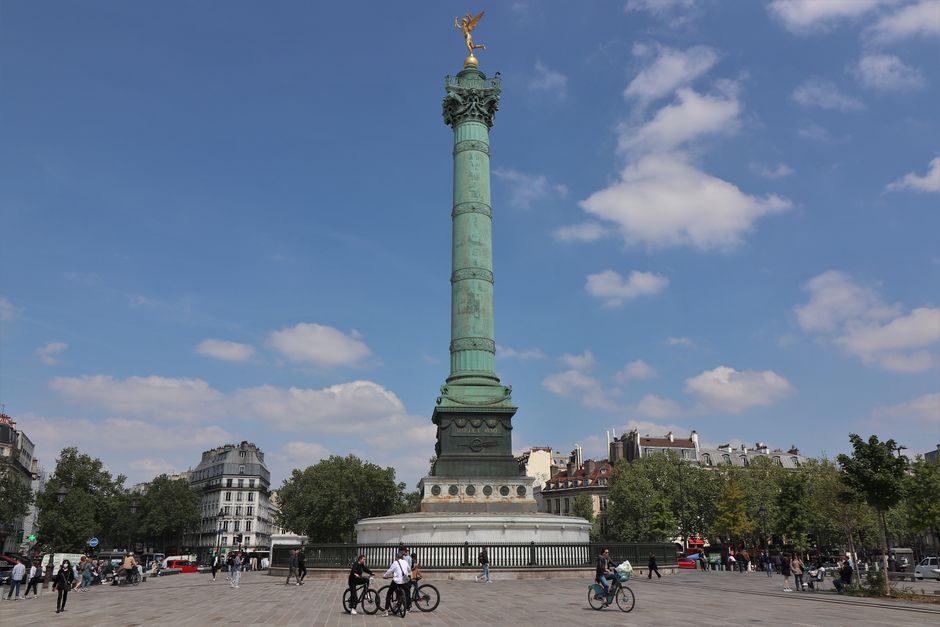
- Bastille Day (14 July): Fireworks at the Eiffel Tower. Enormous crowds. Book accommodation months ahead.
- Paris Fashion Week (late Sept/early Oct): Hotel demand spikes in certain arrondissements.
- Paris Marathon (April): Road closures and hotel demand in mid-April.
The Verdict
Best window: October. Autumn colour, comfortable temperatures, shorter queues, and reasonable prices without the full winter trade-off. Fashion Week creates a brief spike but settles quickly.
Runner-up: early June, if you want summer energy and long evenings without the July-August peak. Fete de la Musique is a genuine bonus.
Our Paris city break guide covers which museums to book in advance, how to approach the city by arrondissement, and a practical day-by-day framework for two to five days that actually respects how the city works.
Master Paris in Minutes
Don't waste hours planning. Get our condensed, digital cheat sheet with everything you actually need.
Shop Guide on Etsy →