 ConciseTravel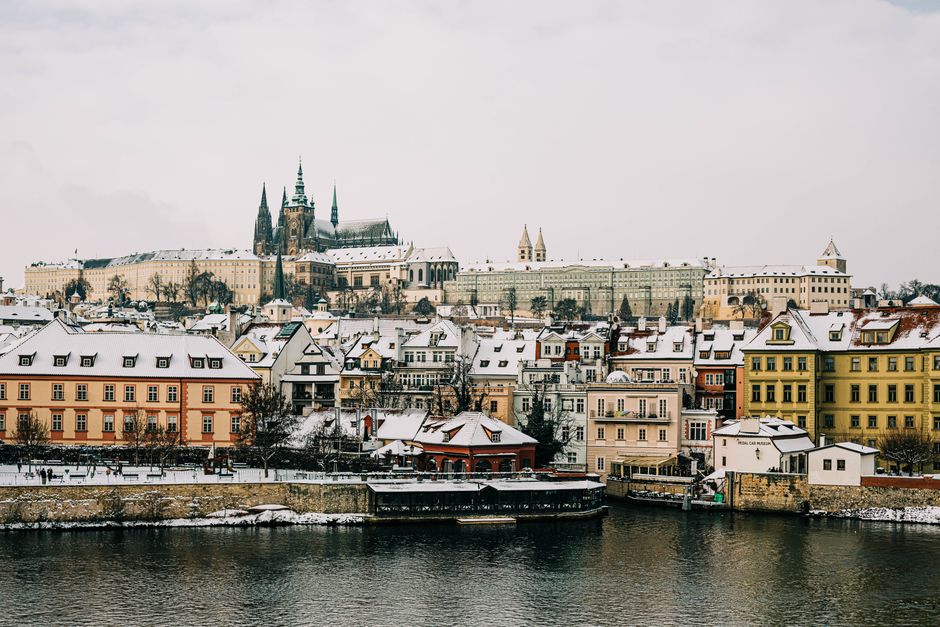
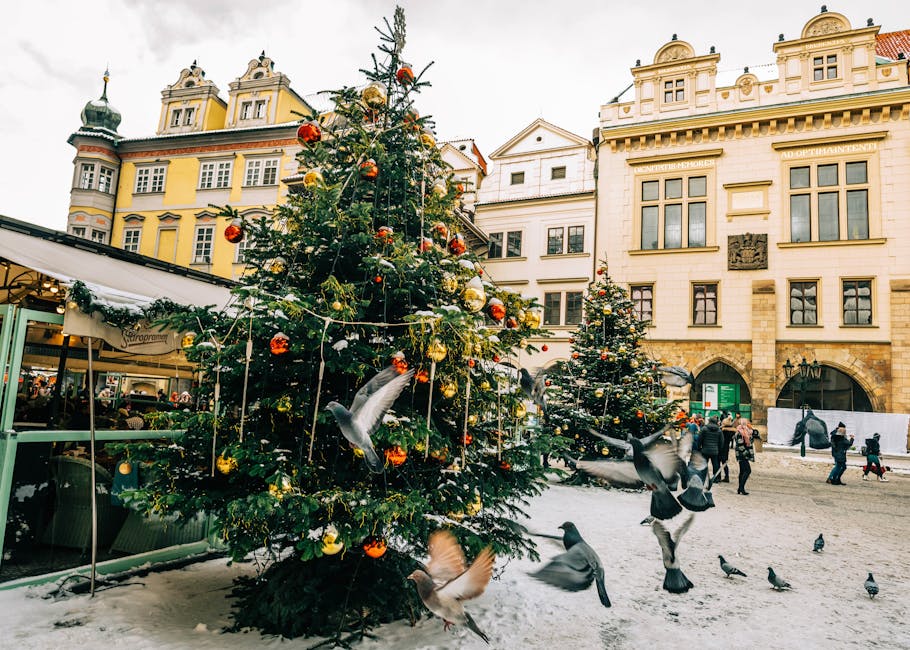
Prague in winter is one of Europe's most atmospheric city break experiences. The Old Town Square under snow, the Charles Bridge in frost, and the castle district lit up against grey December skies are all extraordinary. The Christmas markets are genuine and excellent. The crowds are significantly lower than summer. And the cold is real: January in Prague averages around -2C and the wind on the Charles Bridge does not care about your aesthetic appreciation of the view.
The Real Winter Temperature Story
Prague in December averages 1-3C. January is the harshest month, typically sitting between -2 and 1C during the day, with overnight temperatures regularly reaching -5 to -8C. Snow is common, particularly in January and February. The city's position in the Bohemian basin means cold continental air masses sit over Prague through the winter months with the same reliability as the Christmas market gluhwein.
The cold is dry continental cold, which is more bearable than damp Atlantic cold of the same temperature, but -3C on the open Charles Bridge in a January wind is still genuinely cold. The city's extraordinary historic centre is mostly walkable, which means hours outdoors in winter conditions. Get the packing right.
City-Specific Cold-Weather Must-Haves
A proper winter coat. Down or heavily insulated. Prague in January does not accommodate medium-weight autumn jackets. A coat that handles below-zero temperatures is the right starting point.
Thermal base layers. A thermal top for December on most days; both top and bottom layers in January and February. Merino wool thermals manage the cold and the multiple indoor-outdoor temperature shifts better than any synthetic alternative.
A thick mid-layer. A fleece or wool jumper between thermals and your outer coat adds essential warmth without excessive bulk.
Waterproof boots with insulation and grip. Prague's cobblestones get icy and snowy. The walk from the Old Town up to the Castle across the Charles Bridge involves long stretches of exposed, uneven stone that becomes treacherous with ice. Insulated boots with real grip are essential.
Warm hat, gloves, and scarf. All three for December through February. The Charles Bridge is fully exposed and the wind funnels across it from the Vltava. This is not the moment for a decorative scarf.
What to Leave Behind
A medium or light jacket as your sole outer layer. Inadequate for Prague in January. Under-dressing for Prague winter is a fast way to cut your sightseeing time short and retreat indoors.
Leather-soled boots or shoes. Prague's icy cobblestones with smooth leather soles are a slip-and-fall waiting to happen.
Cotton base layers. Wool or synthetic moisture-wicking fabrics handle the cold significantly better. Cold damp cotton is miserable.
Only outdoor gear. Prague has a strong cafe and restaurant culture. Something presentable for a good dinner in the Mala Strana neighbourhood is worth including.
Packing it Together
Proper winter coat, thermal layers, thick mid-layer, insulated waterproof boots, hat, gloves, and scarf. Prague in winter requires the full cold-weather kit and delivers one of the most beautiful winter cityscapes in Europe. The Christmas market version in December is genuinely magical; the January version is calmer, cheaper, and the snow-covered castle is yours without the crowd.
The ConciseTravel Prague guide covers the Old Town, the castle, the best restaurants off the tourist circuit, and how to use the public transport: https://concisetravelguides.etsy.com/uk/listing/4470394171/prague-travel-guide-itinerary-builder
Master Prague in Minutes
Don't waste hours planning. Get our condensed, digital cheat sheet with everything you actually need.
Shop Guide on Etsy →