 ConciseTravel
Prague is one of Europe's most visited cities for a reason: the historic centre is extraordinarily beautiful, most things are accessible without long queues, and the city is compact enough that one day covers the main highlights without rushing. It's also one of the most affordable capitals in Central Europe.
Getting In and Out
Prague Václav Havel Airport is around 30 minutes from the city centre by bus (line 119 to Nádraží Veleslavín Metro station). There's no direct Metro link to the airport. Trains from Vienna take around 4 hours; from Berlin, around 4.5 hours. The main station (Praha hlavní nádraží) is a short Metro ride from the Old Town.
Morning
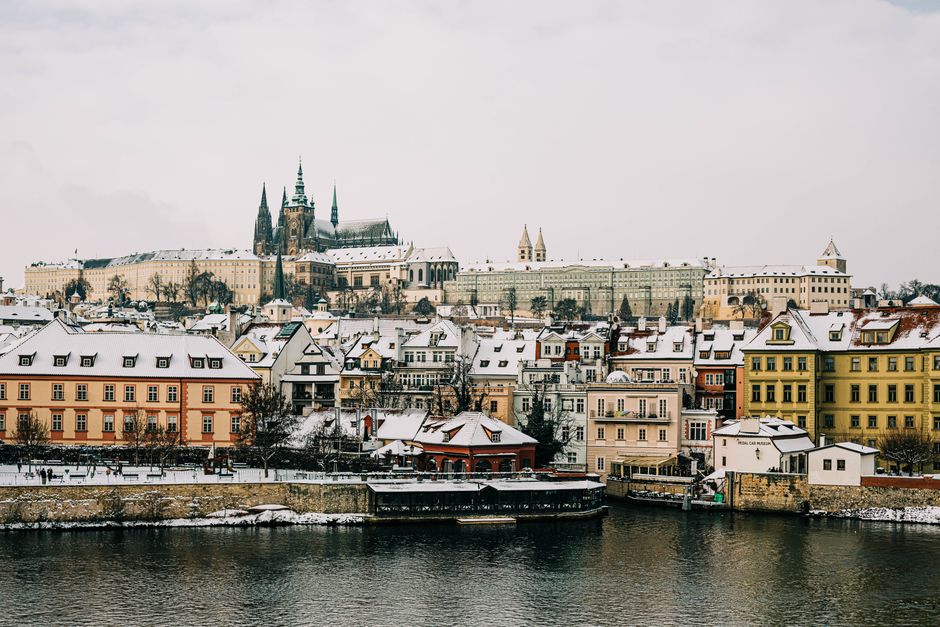
Start at Prague Castle (Pražský hrad), the largest castle complex in the world by area. The most important parts are St Vitus Cathedral (Gothic, with good views from the towers), the Old Royal Palace, and the Golden Lane (a street of small 16th-century houses built into the castle walls). Buy a combined ticket and allow 90 minutes to two hours.
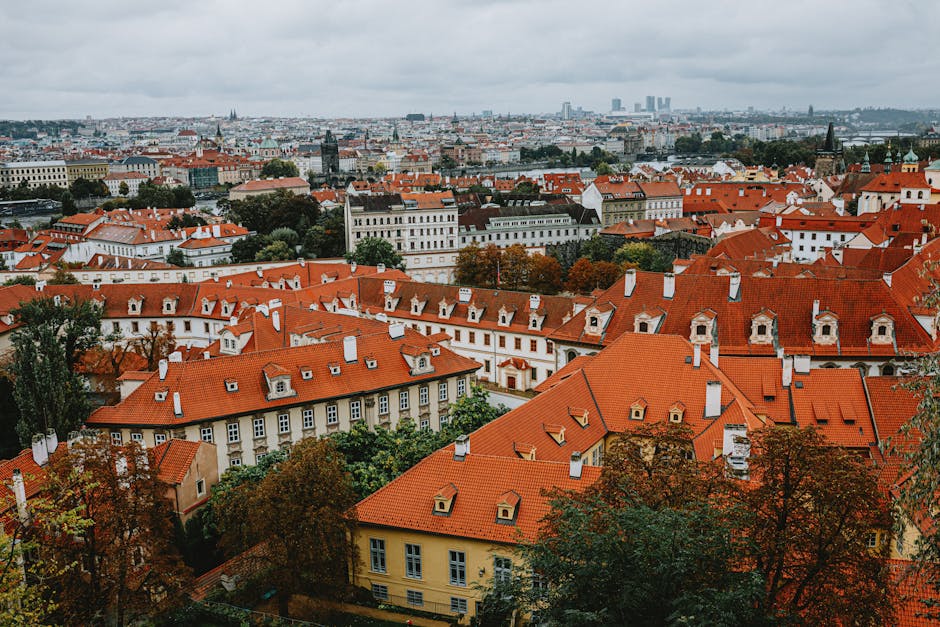
Come down from the castle through the Malá Strana (Lesser Town) neighbourhood. The Baroque churches and palaces here are among the finest in Central Europe. Cross the Charles Bridge on foot: the 14th-century stone bridge is lined with 30 Baroque statues and is one of Prague's defining images. Go early if you can; by late morning it's very crowded.
Afternoon
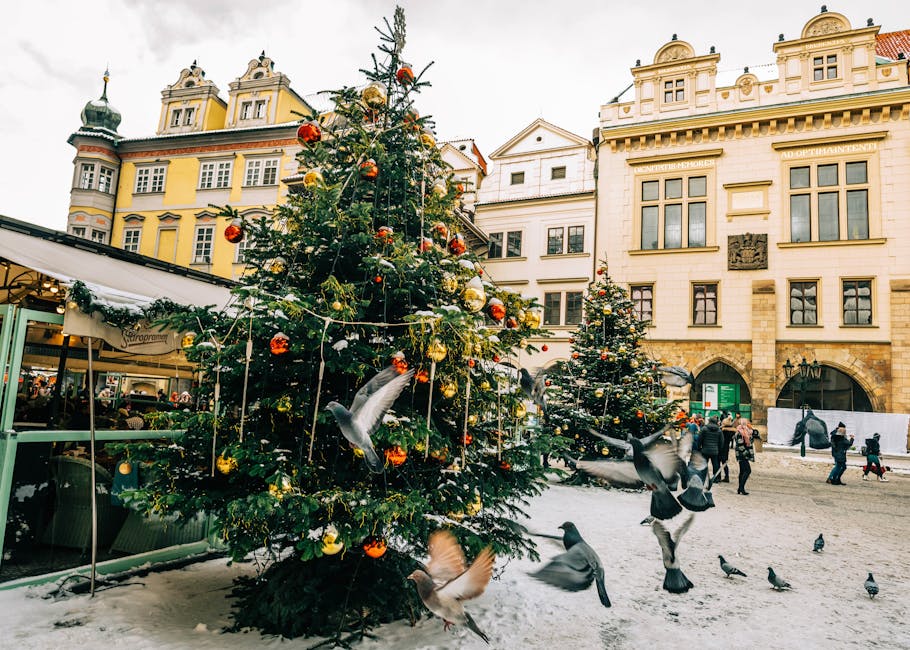
The Old Town Square (Staroměstské náměstí) is the heart of the tourist Prague that appears in every photograph. The Astronomical Clock performs at the top of each hour (9am to 11pm); the Old Town Hall tower gives the best view down over the square. The Týn Church and the Baroque St Nicholas Church add to the extraordinary architectural density.
Lunch in the Old Town or Jewish Quarter. The Jewish Quarter (Josefov), a 10-minute walk from the Old Town Square, contains six synagogues and the Old Jewish Cemetery. A combined ticket covers most of the sites. Allow 90 minutes.
Czech food at its most classic: svíčková (beef sirloin in cream sauce with bread dumplings), guláš, or fried schnitzel (Wiener Art). The restaurants on the streets slightly back from the main tourist routes are significantly better value.
Evening (if time allows)
The New Town (Nové Město) neighbourhood, south of the Old Town, is where Prague actually lives and eats. Vinohrady, a 10-minute tram ride from the Old Town Square, has the city's best neighbourhood restaurants and wine bars.
A beer at a traditional Czech pub (hospoda) is non-optional in Prague. The Czech Republic produces some of the world's best pilsner and it costs almost nothing. U Zlatého tygra in the Old Town is a classic.
What to Skip
The Old Town Square's tourist restaurants are expensive and mediocre. The astronomical clock is worth one viewing; don't wait specifically for it if your timing doesn't work.
Kutná Hora (the Bone Church) is popular and genuinely interesting but takes most of a day including travel. Not for a one-day visit.
Prague is one of those cities that improves on every visit. Our Prague guide covers the neighbourhoods, the logistics, and how to see the city beyond the tourist centre.
Master Prague in Minutes
Don't waste hours planning. Get our condensed, digital cheat sheet with everything you actually need.
Shop Guide on Etsy →