 ConciseTravel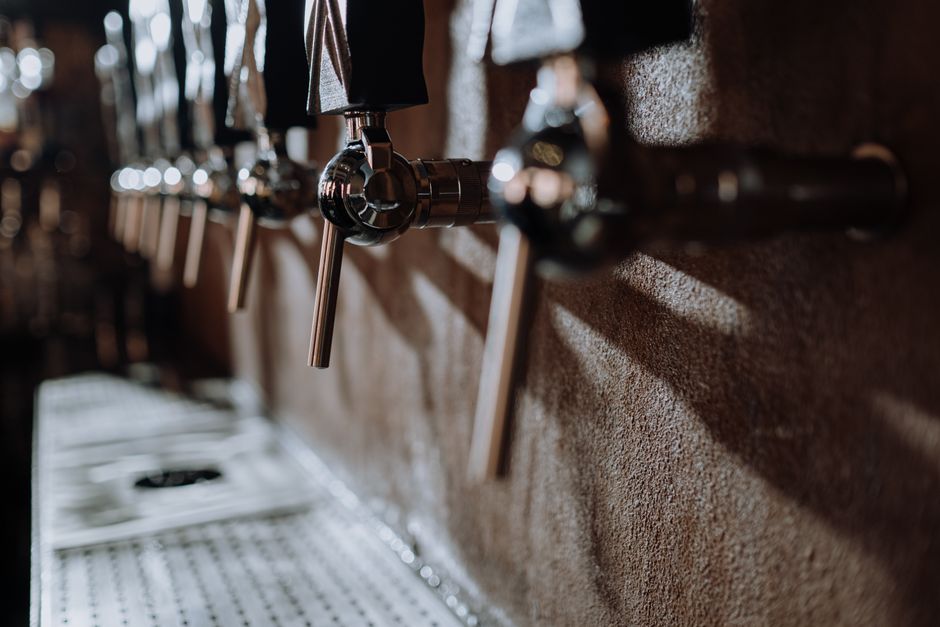
Oslo's nightlife is less about wild clubbing and more about good bars, craft beer culture, and late-night socializing. The city doesn't have the raging party reputation of major capitals, but it has a genuinely sophisticated bar scene, strong brewery culture, and comfortable spaces for evening hanging out.
The trade-off: drinks are expensive. A beer costs 80-120 NOK (€7-10) depending on the bar and place. A cocktail is 120-180 NOK minimum. Going out drinking in Oslo requires accepting that you're spending Norwegian money in a Norwegian city.
Beer Culture and Breweries
Norway's craft beer scene is disproportionately good for country size. Multiple small breweries operate in and around Oslo, producing excellent beer with genuine pride and quality control.
Garage Beer is one of Oslo's first craft breweries and remains excellent. The on-site bar serves their beer and guest taps. The space is genuinely comfortable—casual but not dive-bar, social but not aggressive. Beer prices are reasonable by Oslo standards (85 NOK for their standard pour).
Nøgne Ø is Norway's most famous craft brewery (based south of Oslo but with Oslo distribution). Their beers are aggressive, ambitious, and genuinely excellent. Try them at bars rather than the brewery unless you're making a trip south.
Brew Lab is a café/bar hybrid where serious coffee culture meets beer culture. You can get excellent coffee or craft beer, sometimes simultaneously. It's an Oslo thing.
Beer bars throughout the city specialize in craft beer selection. Filibabbar and Torget Beers are worth visiting for serious selection and knowledgeable staff.
Bar Scene
Grünerløkka bars are the most interesting and least tourist-focused. Places like Blå (music venue/bar), Café Sara, and various unnamed spots have local energy, interesting crowds, and genuine atmosphere.
City centre bars skew more touristy. Places with views (rooftop bars at various hotels), central locations, and obvious appeal. They're fine but less interesting than neighbourhood bars.
Cocktail bars exist if you're after skilled bartenders and mixed drinks. Cosy Lofoten and others offer Norwegian takes on cocktails. Prices are high (150-200 NOK), but the quality is usually there.
The Drinking Culture
Norwegian drinking culture is interesting in its contradiction. Alcohol is expensive, so people drink less frequently than in some countries. When they do drink, they often drink with intention—wine with dinner, beer with friends, specific drinking situations rather than casual consumption.
This means:
- Going out is more intentional than casual. Bars are destinations, not just places you stumble into.
- Social drinking is common in groups; solo drinking is less typical.
- Rounds are less common than in the UK; you typically buy your own drink.
- Closing time is typically midnight or 1am on weekdays, 2-3am on weekends.
The evening culture starts later than many cities. Things don't get going until 10pm or later. Pre-drinking (drinking at home before going out) is common and economical.
Specific Recommendations
For beer: Go to a craft beer bar (Filibabbar, Torget), try Norwegian breweries (Garage, Nøgne Ø), order systematically through the menu.
For cocktails: Seek out dedicated cocktail bars. They're expensive but competent.
For atmosphere: Grünerløkka has the most interesting neighbourhoods bars. Spend an evening just wandering and stopping at places that look good.
For live music: Blå has live music events most nights (though quality varies). Rockefeller is a larger venue for bigger acts.
For wine: Wine bars exist but are less prominent than beer culture. Vinum is a wine-focused option.
Economic Reality
A night out drinking in Oslo is expensive. Budget:
- One beer: 80-120 NOK
- Cocktail: 150-200 NOK
- Wine glass: 100-150 NOK
- Dinner: 250-400 NOK
A modest evening (two drinks, no food) costs 200+ NOK. A proper night out is 500+ NOK minimum.
Smart strategy: Pre-drink before going out. Buy beer from a supermarket (40-60 NOK per can, about half the bar price), drink at your accommodation, then go out for one or two drinks and social time.
Practical Tips
Closing time is early. Most bars close midnight-1am on weekdays, 2-3am on weekends. Plan accordingly—don't show up at 11pm expecting a night out unless it's the weekend.
Grünerløkka gets going later. Neighbourhood bars fill after 10pm. Before that, they're quieter. If you want social energy, time your arrival accordingly.
Go where locals go. The best experience is following people into neighbourhood bars rather than seeking out famous places.
Learn the word "bestill." It means "reservation" or "to reserve." Popular bars sometimes get full. Asking if you can reservere can get you in.
Rounds are not traditional. If you're with friends, you typically buy your own drink. This is different from UK pub culture—don't expect someone to buy you a drink as part of friendship obligation.
The beer will be cold and good. Even basic bars serve decent beer cold. The craft beer quality is genuinely available throughout the city.