ConciseTravel
The Oslo Opera House is not a building you visit and leave. It's a building you inhabit, wander through, and return to repeatedly throughout your time in the city. Designed by the Norwegian architecture firm Snøhetta and opened in 2008, it's a masterpiece of functional beauty that reimagines what a public building can be.
The Architecture: Marble and Accessibility
The Opera House is clad in white Italian marble (Carrara marble) on a sloping base that extends toward the water like a ship's bow. The entire surface is walkable—you can walk across the roof, along the sides, up the dramatic slopes. It's architecture that invites physical interaction in a way most buildings don't.
This isn't gimmicky. The walkable design means the building never feels isolated or precious. Locals use the slopes as shortcuts, as seating, as gathering space. Tourists wander across the roof and experience the city from unexpected angles. The building is simultaneously grand and approachable.
The interior is equally impressive—vast open spaces, dramatic staircases, massive windows overlooking the fjord. The main performance hall seats 1,400 and has perfect acoustics. Everything about the design expresses confidence and generosity—this is architecture that assumes people deserve beauty and access.
Why It Works as a Public Space
Most iconic buildings are cordoned off, precious, kept separate from everyday use. The Opera House is the opposite. You can walk around it freely. You can enter the public areas (foyer, outdoor terraces) without seeing a performance. You can sit on the marble slopes and eat lunch. You can watch the sun set over the fjord from the building's upper levels.
This approachability creates a different relationship with architecture. It's not a monument you observe from a distance. It's a place you occupy and experience physically. That democratization is part of Snøhetta's point.
Seeing a Performance
If you're in Oslo long enough and performances interest you, catching an opera, ballet, or concert at the Opera House is worthwhile. The building itself is part of the experience—you arrive through the public spaces, you find your seat in a world-class performance hall, you exit back into the Oslo waterfront.
Tickets vary by performance. Opera is expensive (300–800 NOK for seats in the back, up to 1500+ NOK for good seats). Ballet is similar. Concerts can be cheaper (100–400 NOK) depending on the artist. Check the schedule online and book in advance during peak season.
The opera season (September-June) has more programming than summer. If performances matter to you, plan your Oslo trip accordingly.
The Architectural Experience Without a Ticket
You don't need a performance ticket to have an architectural experience. The public foyer is dramatic and free to access. You can take the stairs to upper levels and experience the building's spatial sequence. You can walk around and across the exterior marble. You can watch the light change as the sun moves.
Guided architectural tours are available (usually 1 hour, 100 NOK) through the visitor centre. These are worth doing if you're interested in the design details and construction philosophy. Snøhetta's approach is thoughtful and worth understanding.
The Waterfront Context
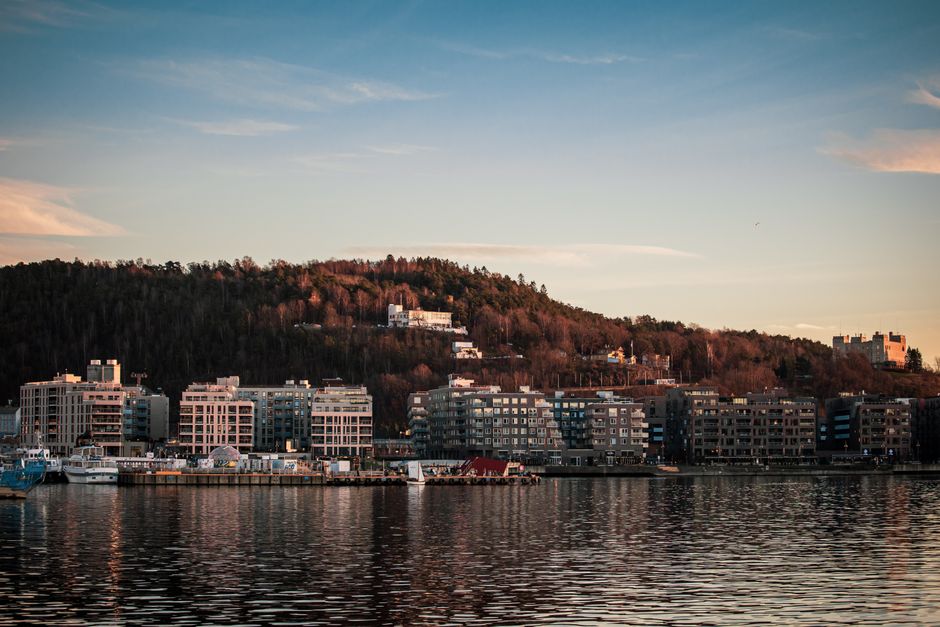
The Opera House is the anchor of Oslo's waterfront redevelopment. Surrounding areas have been transformed from industrial zones into mixed-use neighbourhoods with restaurants, galleries, walking paths, and access to the fjord. The Opera House sits at the centre of this transformation, and its success contributed to making the waterfront a primary destination.
You should combine Opera House time with waterfront wandering. Walk along the edges, explore Barcode (the nearby glass tower neighbourhood), check out the restaurants and bars. The waterfront ecosystem is part of why the Opera House matters beyond just the building itself.
Practical Information
Location: East of the city centre, accessible by walking or short tram ride. It's impossible to miss—the marble-clad building dominates the waterfront.
Hours: Public areas open 10am-11:30pm daily. Performance times vary by schedule.
Tours: Monday-Friday at 2pm and 4pm, Saturday 11am and 2pm (in English). Pre-booking recommended but walk-ins often possible.
Getting tickets: Visit the opera house website or call +47 21 42 21 21. Seats in the back are usually available even for popular performances.
Practical features: Wheelchair accessible, good restaurants and cafés in the building, coat check, public bathrooms. It's well-designed for actual use.
Honest Assessment
The Opera House is genuinely one of Europe's most successful modern public buildings. It's architecturally excellent, beautifully executed, and genuinely welcoming to casual visitors. It's also very famous, which means it's crowded with tourists.
That's not a reason to skip it. Just expect crowds, especially during peak hours. Go early in the day or evening if you want a quieter experience. The building is impressive even when crowded.