 ConciseTravel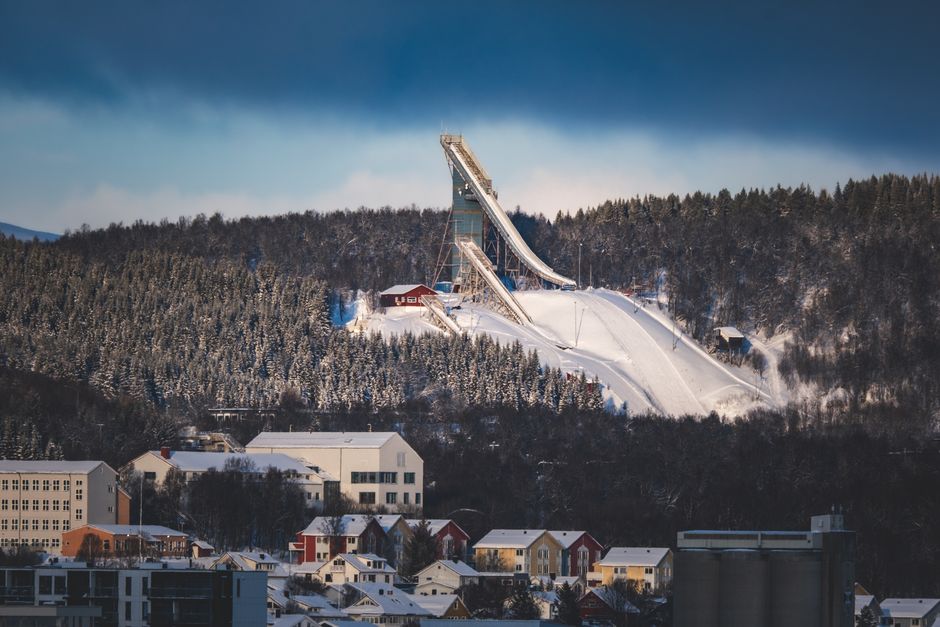
Holmenkollen is not actually in Oslo—it's in neighbouring Viken, about 30 minutes north by metro. But it's so much a part of Oslo's identity that it functions as an essential Oslo experience. The famous ski jump dominates the landscape, visible from much of the city, and has hosted Olympic competitions. Beyond the jump itself, the location offers genuinely excellent views over Oslo, access to forest trails, and a museum of Nordic sports history.
The Ski Jump
The Holmenkollen ski jump is famous in Nordic sports for good reason. It's hosted world championships and, more famously, the 1952 Winter Olympics. The structure you see today was rebuilt in 2010 with modern safety features, but the jump remains as striking visually as it is historically significant.
You can't ski down it (only elite athletes do that), but you can ascend to the top platform for views. A glass observation platform lets you stand 60 meters above the hill, looking out over the jump's landing slope and beyond toward Oslo and the surrounding forests.
The perspective is disorienting and excellent. Seeing how steep the jump actually is—how athletes accelerate down the in-run and launch into empty space—creates visceral understanding of the sport's danger and skill.
The Museum and Experience
The Holmenkollen complex includes a museum dedicated to Norwegian winter sports and skiing history. It's surprisingly comprehensive, covering skiing's role in Norwegian culture (skiing predates modern sports by centuries—it's been necessary winter transport), and documenting the development of competitive skiing and jumping.
The museum contextualizes Holmenkollen within Norway's sports history. You learn how skiing shaped Norwegian culture and identity, why winter sports matter so much to the nation, and how Holmenkollen became one of the world's most important ski jump venues.
The Views
The views over Oslo from Holmenkollen are genuinely excellent. From the observation platform, you see the entire city spread out—the harbour, the Opera House, the sprawling suburbs, the surrounding forests. On clear days (which is never guaranteed in Oslo), you can see well into the surrounding regions.
It's the best elevated view of Oslo available to tourists. The view from the TV tower is isolated inside a building; the view from Vigeland Park is local and park-bound. The Holmenkollen view shows geographic scope and Oslo's position in the landscape.
Summer Activities
In summer, the jump isn't in use for skiing, but the area remains active. Forest trails connect Holmenkollen to surrounding forests and neighbourhoods. You can walk from the jump into genuine wilderness within 30 minutes of central Oslo.
Holmenkollen works as a starting point for hiking, trail running, or just forest walks. The proximity of natural landscape to the city is genuinely impressive.
Practical Information
Location: Viken, north of Oslo. Metro Line 1 goes directly to Holmenkollen station. It's about 30 minutes from city centre, and the metro is included in standard transport passes.
Hours: Ski Jump observation platform 9am-6pm daily (June-August), shorter hours other seasons. Museum 9am-4pm year-round.
Admission:
- Observation platform alone: 90 NOK (€7.50)
- Museum alone: 90 NOK
- Combined ticket: 130 NOK (€11)
- Oslo Pass holders get free entry
Duration: 1-2 hours. Add more time if you're planning trails in the forest.
Equipment needed: Good shoes for walking. Nothing extreme is required unless you're planning serious hiking in the surrounding area.
Why It's Worth the Trip
Holmenkollen serves multiple purposes: it's a historically important sports site, it offers the best elevated views of Oslo, and it provides access to the forests that surround the city. It's worth 2 hours of your time minimum, and it's genuinely accessible by public transport.
The ski jump itself is architecturally impressive and culturally significant. Even if you have zero interest in skiing, the structure is worth seeing.
Practical Tips
Go on a clear day if possible. Views are best with visibility. Check weather forecasts before committing. A cloudy day at Holmenkollen is significantly less rewarding.
Combine with forest walking. The real value of visiting Holmenkollen is that it connects you to the larger landscape. Don't just go to the platform and leave. Walk the surrounding trails, experience how the forest environment connects to the city.
The café at the base is decent. It's in the museum building, serves coffee and light food, and is a reasonable place to sit and eat while enjoying views toward the city.
Go early in the day. It's a popular tourist destination, especially in summer. Morning (before 10am) is quieter than afternoon. If you're visiting during winter, the landscape changes dramatically—snow-covered forests have a completely different appeal than summer green.
Plan transport back carefully. The metro is your best option, but confirm the timetable. The last trains run on regular schedules, but frequency decreases in the evening.