ConciseTravel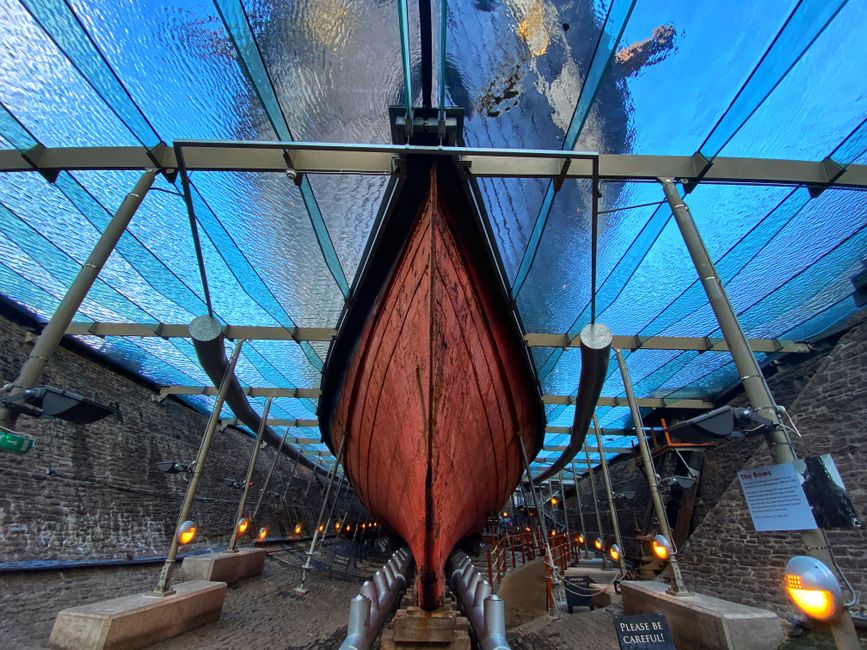
The Viking Ship Museum on the Bygdøy peninsula is one of Oslo's most compelling museums, and it's genuinely better than you might expect. You're not looking at reproductions or explanatory displays—you're standing in front of an actual Viking ship from the 9th century, in its original form, right there in front of you. It's the kind of direct historical encounter that makes museums worth visiting.
The Gokstad Ship
The centrepiece is the Gokstad ship, a 9th-century burial vessel hauled from the ground in 1880 and painstakingly restored. It's massive—64 feet long, made of oak, with an open design that suggests both seafaring capability and the kind of ship that enabled Viking exploration and settlement across Europe.
What's striking is how real it looks. The wood is visible, the construction details are apparent, the scale is tangible. You understand instantly why these ships were so effective—the design is elegant and functional, shaped by people who understood water and materials deeply.
The ship was discovered with a burial chamber, indicating it was used as a grave for a high-status Viking. The burial goods (what remains of them) tell stories about wealth, trade, and the Viking sense of what mattered in the afterlife.
The Museum Layout
The museum is compact, which is good—you're not wandering through endless corridors. The main exhibition space centers on the Gokstad ship, with contextual displays explaining Viking society, navigation, and the role of ships in Norse culture.
Two other Viking ship remains are also on display—the Oseberg and Tune ships—though they're less well-preserved than the Gokstad. The contrast shows different preservation states and reveals how much the Gokstad's condition is exceptional.
What You'll Actually Learn
The museum does a good job of contextualizing Vikings beyond the stereotypical "raider" narrative. Yes, Viking raids happened. But the ships were primarily tools for trade, exploration, and settlement. You learn about the engineering that made long voyages possible, the routes that connected Scandinavia to Russia and Constantinople, and how Norse culture extended far beyond Scandinavia.
The burial goods show Viking material culture—jewelry, tools, everyday items that reveal how people actually lived. It's the human detail that makes history compelling.
Practical Information
Location: Bygdøy peninsula, about 20 minutes by ferry from central Oslo (Pier H near the Opera House). Bus 30 also goes to Bygdøy if you prefer.
Hours: Daily 9am-6pm (June-August), 9am-4pm (September-May). Closed Mondays in winter.
Admission: 120 NOK (€10). Oslo Pass holders get free entry.
Duration: 1-2 hours is typical. You're not exhausted by the time you leave, which is ideal—you can combine this with other Bygdøy museums on the same day.
Language: Exhibits are in Norwegian and English. Audioguides available (50 NOK extra) but honestly unnecessary—the displays are clear and the ship itself is the main story.
Why It Works
Museums can be dry. Historical sites can feel distant and abstract. The Viking Ship Museum works because the ship itself is the exhibit. You're not reading about Vikings—you're looking at the actual object that carried people and trade across medieval Europe. That directness creates connection that even the best explanatory text can't match.
It's the kind of museum that rewards spending a bit of time. Sit with the ship, read the information, let the scale and engineering sink in. You'll leave understanding Norse navigation and culture in a way that sticks.
Combining with Other Bygdøy Attractions
You can hit three major museums on Bygdøy in a single day: the Viking Ship Museum, the Fram Museum (polar exploration ship), and the Maritime Museum. The distances between them are walkable, and ferries depart regularly back to the city.
Budget 3-4 hours total for multiple museums. The ferry journey itself is pleasant and worth enjoying—it's not just transport but part of the experience.
Practical Tips
Go early in the day if possible. Tourist groups often arrive mid-morning. 9-10am gives you the quietest experience.
Don't skip the burial chamber display. The goods discovered with the ship are smaller than the ship itself but reveal individual human choices and values.
Take the ferry. Yes, you can take a bus, but the ferry is more interesting and part of why Bygdøy works as a destination. The 15-minute water journey is worth the slight extra time.
Photography is allowed but respect the space. The lighting is natural and sometimes dim, so good photos require patience. Avoid using flash—the museum asks you not to.