ConciseTravel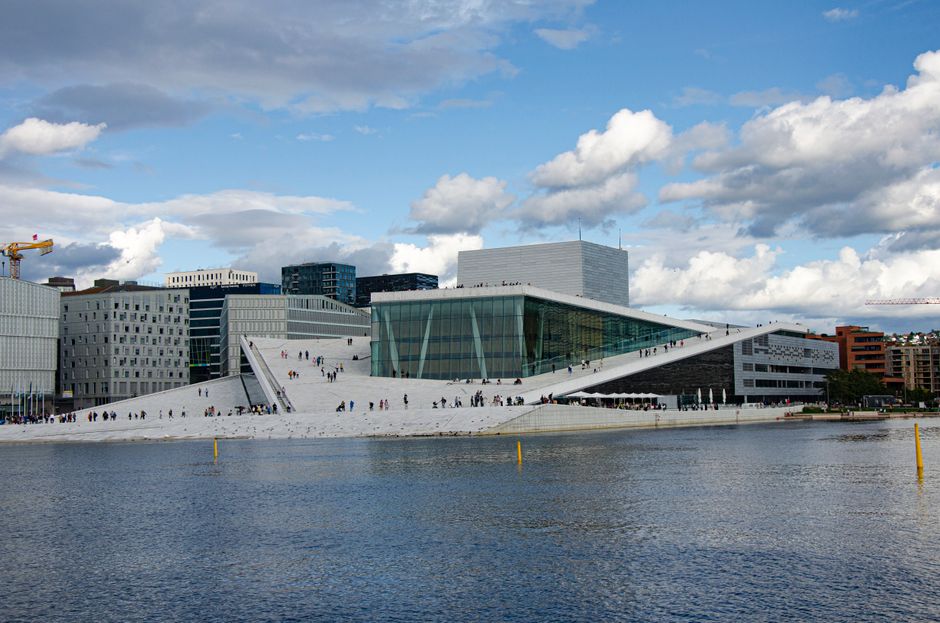
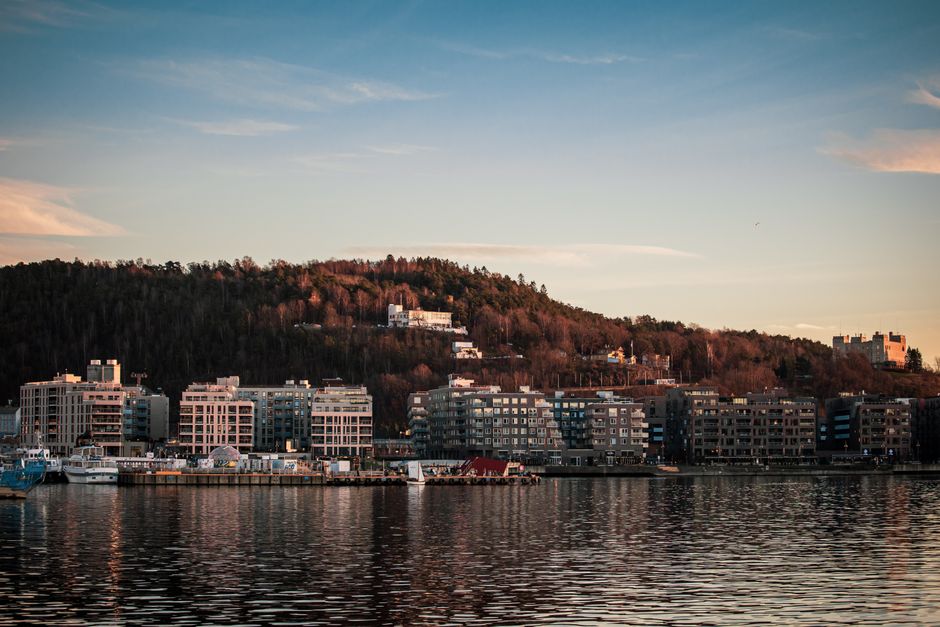
Oslo's relationship with water is one of its defining characteristics, and taking a ferry across the fjord is one of the best ways to experience the city. Whether you're island-hopping to beaches, heading to museums on the Bygdøy peninsula, or escaping into the archipelago for the day, the ferry system is efficient, cheap, and genuinely enjoyable.
The Bygdøy Peninsula: Museums by Ferry
The Bygdøy peninsula is home to four of Oslo's biggest museums: the Viking Ship Museum, the Fram Museum (the polar exploration ship), the Maritime Museum, and the Norwegian Museum of Cultural Heritage. You can reach it by bus, but taking the ferry is infinitely more appealing—you get a 15-minute water journey, views of the city receding behind you, and the sense that you're actually exploring rather than just checking boxes.
The ferry departs from Pier H in front of the Opera House and takes 15 minutes to reach Dronningen Pier on Bygdøy. It costs 42 NOK (€3.50) and runs every 15–20 minutes during the day. The ferry is crowded on weekends and during peak tourist season, but it's genuinely the most enjoyable way to reach these museums.
Once you're on Bygdøy, the museums are within walking distance or a short bus ride. You could easily spend a full day here hitting multiple museums and absorbing Norwegian maritime history without feeling rushed.
Neighbouring Islands: Peaceful Escapes
If you want to escape the city entirely but don't have time for a full day trip, the inner fjord islands are your solution. Several small islands are accessible by ferry, offering beaches, walking paths, and a strong sense of being genuinely away from Oslo despite being 30 minutes by boat.
Gressholmen is the most developed, with a restaurant and beach. Hovedøya has hiking trails and ruins of a medieval monastery. Both islands are free to visit (except for restaurant food), and ferries cost around 50 NOK return. They're particularly excellent in summer when the weather is warm enough for swimming.
The ferries are less frequent to these islands than to Bygdøy—typically every 30–60 minutes depending on the season. Check the Ruter app for current schedules; island ferries do get cancelled during rough weather.
The Archipelago: Real Oslo Escapes
If you're willing to commit a full day and you want genuine solitude, the outer archipelago is breathtaking. Ferries run to small villages on distant islands where life moves at a different pace entirely. These day trips require planning—travel times are 45–90 minutes depending on destination—but they're worth it.
You'll need to check individual ferry operators rather than relying on the main Ruter system. The ferries operate less frequently, often running only during summer, and they're genuinely for people seeking quiet rather than tourism infrastructure.
Practical Considerations
Book ahead for summer ferries. If you're visiting during July or August and want to hit the archipelago, check availability online or call ahead. Popular routes do sell out, and last-minute availability isn't guaranteed.
Bring weather-appropriate clothing. Being on the water in Scandinavia means wind and potential spray, even when the city feels warm. Layer up and bring a jacket. Sunscreen is essential on bright days—water reflects sun intensely.
The Ruter app covers most ferries. Main Ruter ferries (Bygdøy, islands) are bookable through the app. Archipelago ferries operated by private companies aren't integrated into Ruter, so you'll need to book separately or buy tickets at the pier.
Ferry food is expensive. If you're heading to islands or the archipelago, bring your own food and water. Café prices are brutal—expect 80–150 NOK for a sandwich, 60 NOK for a coffee. Pack a picnic instead.
Why This Matters for Your Oslo Trip
Taking a ferry transforms how you experience Oslo. The city reveals itself differently from the water—you see bridges and architecture you'd miss from streets, you understand the geographic relationship between neighbourhoods, and you get a sense of why Oslo's waterfront development has become such a big deal.
Plus, the ferries themselves are functional public transport used by locals, not just tourist attractions. Sitting on a ferry with commuters heading to island homes and families going to beaches, you feel genuinely embedded in how Osloites actually move through their city.