ConciseTravel
The Lake District Has a Mountain Rescue Team for a Reason
Around 400 mountain rescue incidents happen in the Lake District every year. Most involve walkers who underestimated the conditions, got lost in poor visibility, or wore inadequate footwear. The teams are volunteer, highly trained, and remarkably good-natured about rescuing people who went out in Converse trainers.
This is not a lecture. It's context for why the following information is worth your time.
Weather: The Central Variable
Lake District weather is not English lowland weather. The relationship between the valley forecast and the fell forecast is indirect at best. On a clear, sunny day in Keswick, Helvellyn can be in cloud with wind speeds above 60 mph and near-zero visibility.
Check the Mountain Weather Information Service (MWIS) before any serious walk. It's a separate forecast from general weather apps and specifically covers the high fells. It's free and updated daily.
What to watch for:
- Wind: Above 30-40 mph, exposed ridges (Striding Edge, Sharp Edge) become genuinely dangerous. Strong gusts can physically knock you off balance.
- Cloud and visibility: Navigation on the fells in thick cloud requires map and compass skills. GPS is helpful but fails when batteries die or signal drops.
- Temperature: Temperature drops roughly 1°C for every 150m of altitude gain. A 15°C day in the valley is around 8-9°C on Helvellyn's summit.
- Rain: The Lake District gets around 200 rain days per year. Rain combined with wind produces significant wind chill. A wet, cold person on an exposed fell is one wrong decision from a serious situation.
The Minimum Kit for Any Fell Walk
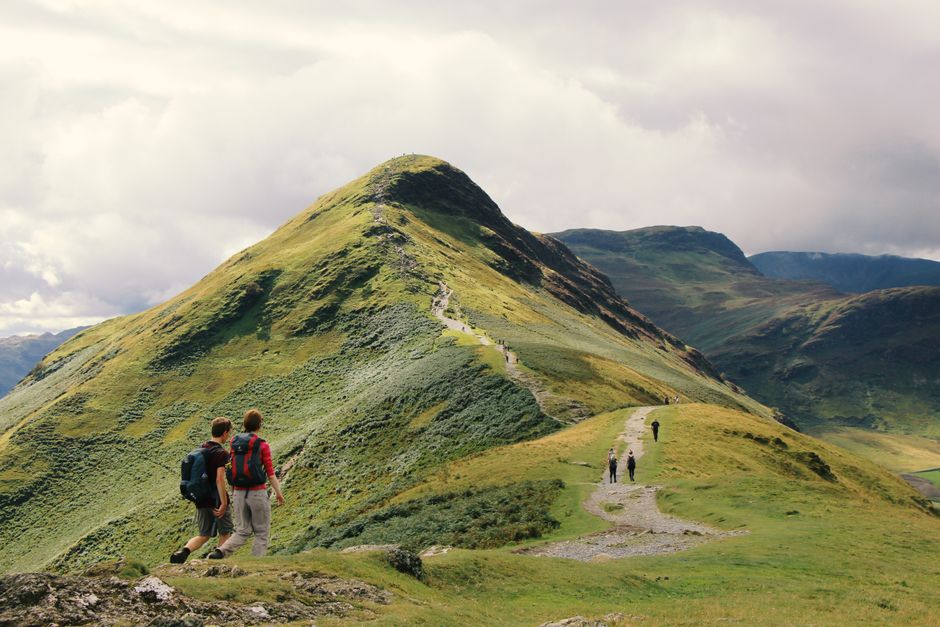
Even for short, popular walks like Catbells:
- Waterproof jacket: A proper one. Not a windbreaker, not a "shower proof" fashion jacket. A fully waterproof, taped-seam walking jacket.
- Spare layer: Fleece or insulated jacket. The summit is always colder than the car park.
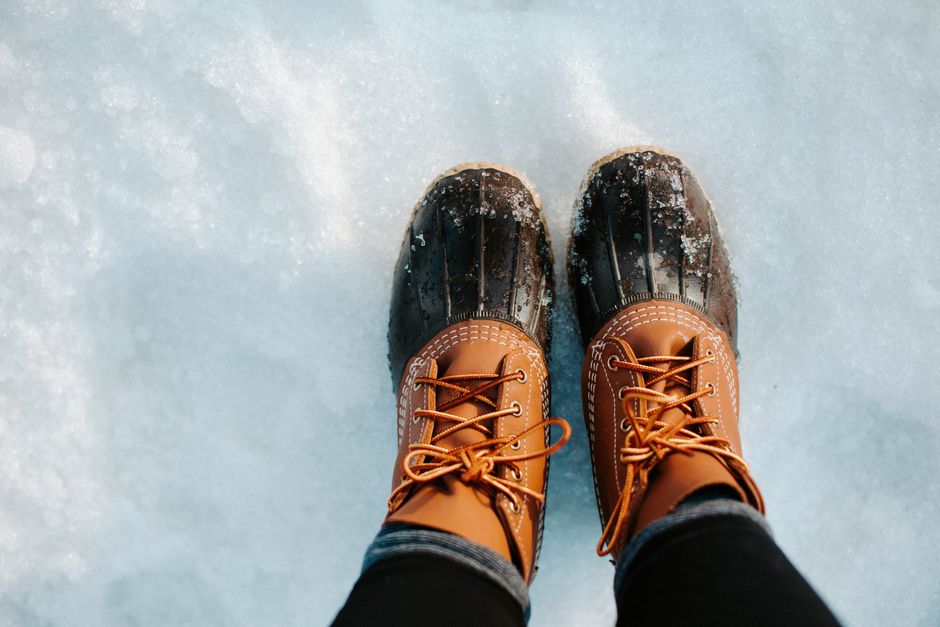
- Walking boots: Not trainers. Not trail running shoes (unless you're an experienced fell runner who knows what they're doing). Waterproof, ankle-supporting walking boots.
- Map: OS Explorer OL4 covers the northern Lakes; OL5 covers the English Lakes North East; OL6 covers the south. Know which one you need before you set off.
- Water and food: Dehydration and low blood sugar degrade decision-making on the fells.
- Charged phone: Lake District emergency services are reachable on 999 (ask for Police, then Mountain Rescue). The mobile signal on the fells is patchy — don't rely solely on your phone for navigation.
For Scafell Pike and Helvellyn: add a compass and the ability to use it, a head torch, and a whistle.
In an Emergency
UK emergency services: 999 or 112. In mountain incidents, ask for Police and then Mountain Rescue. If you can, try to know your grid reference (the OS map grid system) or at least a description of where you are.
Mountain rescue in the UK is free of charge to the individual and run by volunteers funded by donations. The teams are professional in training and approach, regardless of the circumstances that led to the call.
If someone in your party is injured and you have mobile signal: call 999, give your location as precisely as possible, describe the injury and the patient's condition, and follow the operator's instructions.
Water Safety
Lake water in the Lake District is cold. Windermere's average summer temperature is around 15-17°C. Cold water shock — the involuntary gasp reflex from sudden immersion — is a real risk and the cause of many drowning incidents.
If you're swimming:
- Enter the water gradually
- Never jump into unknown water — depth, rocks, and currents are not always predictable
- Swim with a buddy
- Don't swim too far from shore
- Have a plan for getting out before you get in
For kayaking, paddleboarding, and boating: wear a buoyancy aid. Hire operators provide them; use them.
Ticks
The fells and moorland carry ticks, particularly in bracken and long grass from spring through autumn. Ticks can carry Lyme disease.
After any walk through vegetation: check for ticks on your legs, ankles, and waistband. Check carefully — ticks are small. Remove any ticks using a tick removal tool or fine-pointed tweezers, gripping close to the skin and pulling steadily. Don't squeeze the body of the tick.
Symptoms of Lyme disease (bullseye rash, flu-like symptoms) can develop weeks after a bite. See a doctor if concerned.
Adders
Britain's only venomous snake is present in the Lake District, particularly on warm, rocky slopes. Adder bites are rare and very rarely fatal, but they're unpleasant and require medical attention. If you see an adder, observe it from a distance and give it space to move away. Don't try to handle or move it.
Driving Safety
If you're driving Lake District passes:
- Low gear on descents, particularly Hardknott and Kirkstone
- Passing places on single-track roads: use them, thank the person who waits for you
- Do not attempt Hardknott Pass in a large vehicle, a low-clearance vehicle, or in icy conditions
- Some passes close in winter snow — check road conditions before setting out
One Final Note
Mountain rescue teams don't want you to not go on the fells. They want you to go on the fells prepared. The difference between a good fell day and a mountain rescue callout is usually equipment and judgment, both of which are within your control.
The ConciseTravel Lake District guide covers safety specifics by route, including the technical sections on Striding Edge and the conditions required for attempting Scafell Pike.