ConciseTravel
Seven days in Brussels is more than enough for the city itself. Brussels is often underestimated: it is not as compact as Bruges or as immediately legible as Amsterdam, but it rewards a few days of proper attention. With a week, you cover Brussels well and have plenty of time left for day trips to some of the best cities in Belgium.
What a Week Actually Gets You
Three days in Brussels is enough to feel like you know the city. The Grand Place is one of the best squares in Europe and worth visiting at different times of day. The Manneken Pis is small and worth a look precisely because it is so small. The Royal Museums of Fine Arts is large and excellent. The Magritte Museum is compact and focused. The Atomium is a genuine original.
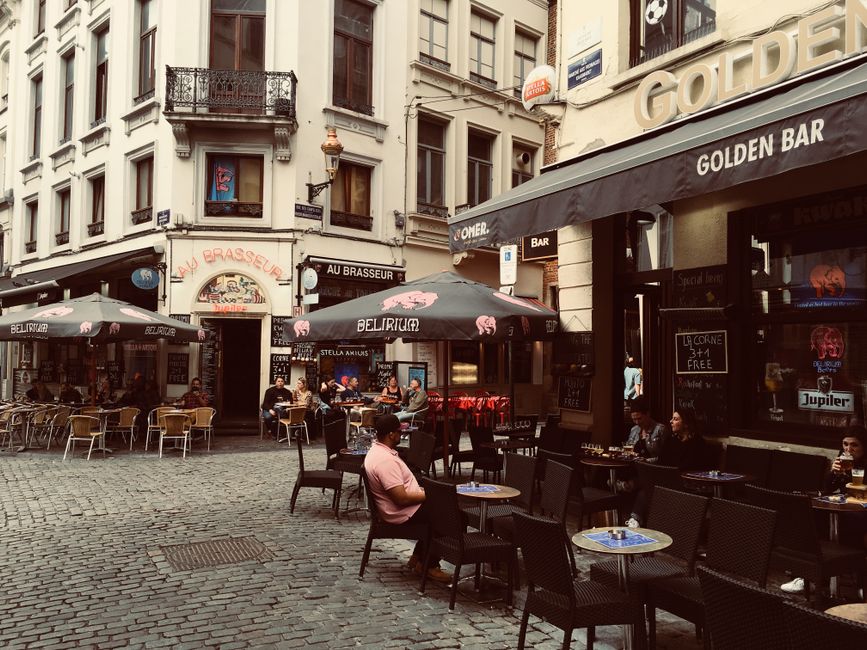
Beyond the main sights, Brussels has a lot of good eating. Belgian waffles, moules-frites, and the chocolate shops along Rue des Bouchers are all worth your time, but so are the less obvious places in Ixelles, Saint-Gilles, and the area around Place du Chatelain. The African Quarter around Matongé has a completely different character from the tourist centre and is worth an afternoon.
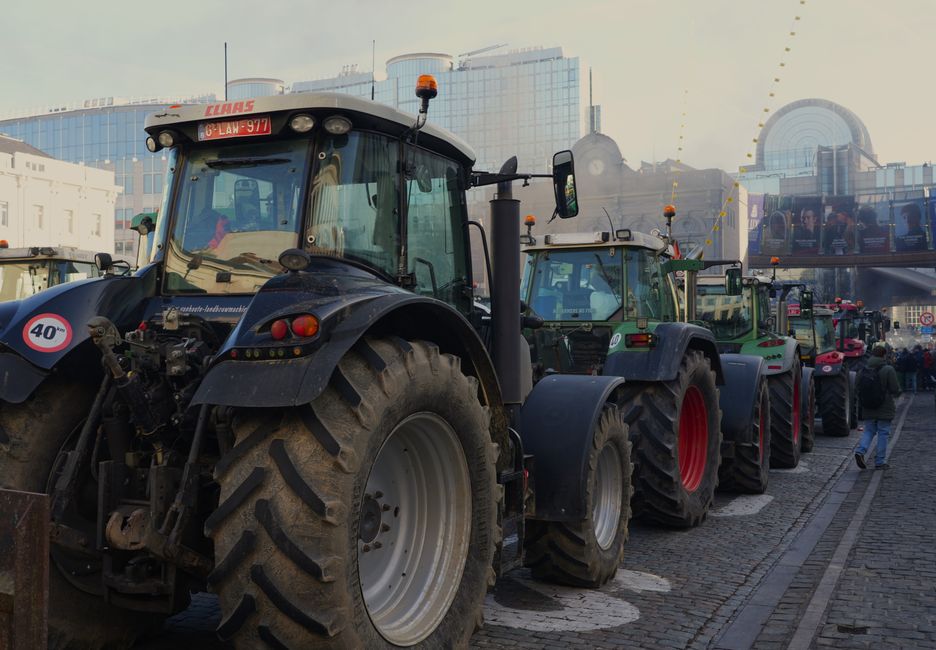
The EU Quarter is not a tourist attraction as such, but the area around Place du Luxembourg has good bars and an interesting energy. The Royal Palace and the Parc de Bruxelles are easy to combine with a morning walk.
What Still Gets Left Out
Brussels has a large Art Nouveau heritage that most visitors barely touch. Victor Horta's buildings, particularly the Horta Museum, are excellent but require a bit of planning to visit. The Train World museum at Schaerbeek is good for the right visitor. The Comic Strip Centre is well done and very Belgian.
The city's nightlife and live music scene are underrated and would easily fill a few evenings, but they tend to fall outside the average visitor's seven-day plan.
How to Structure the Week
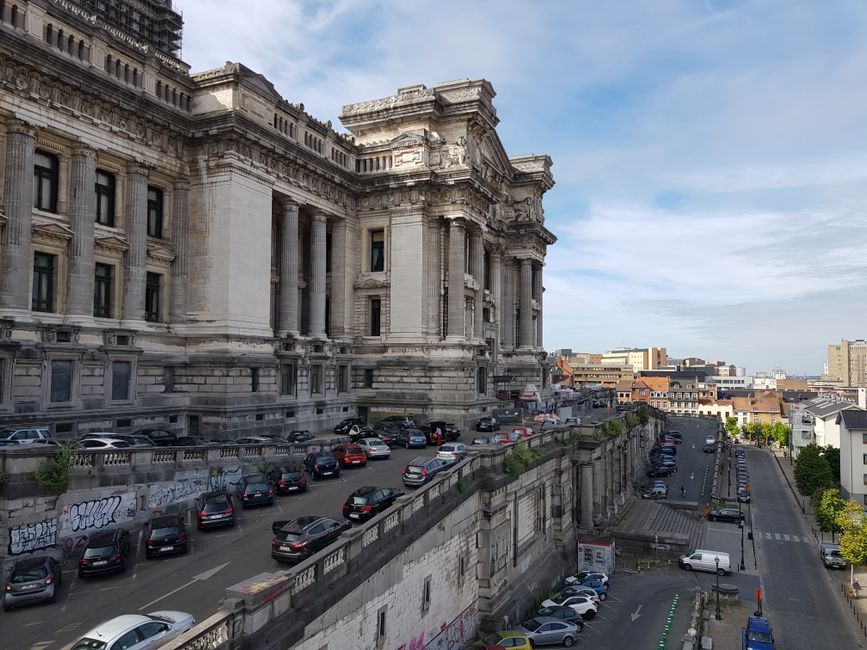
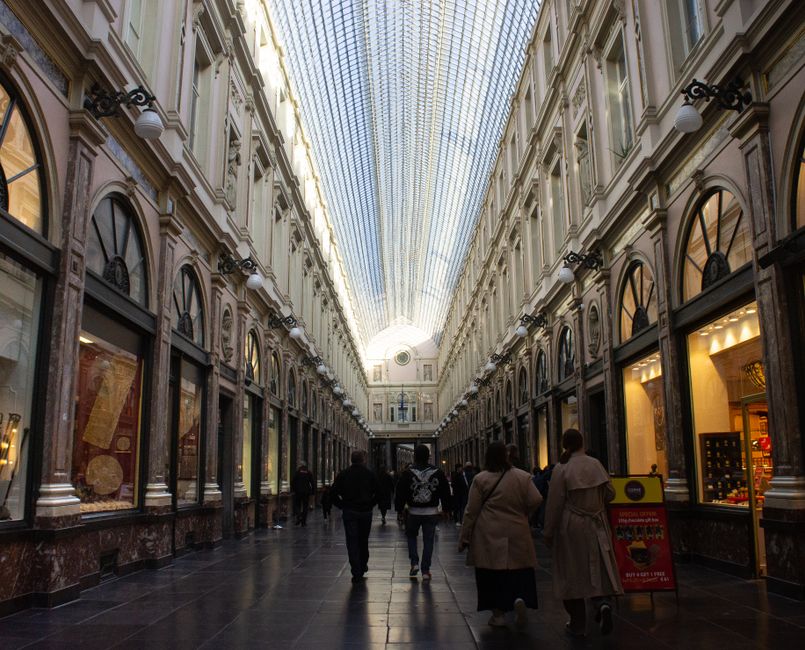
Days 1 and 2 go to central Brussels. Grand Place, the main museums, chocolate and waffle stops, an evening in the side streets off the centre.
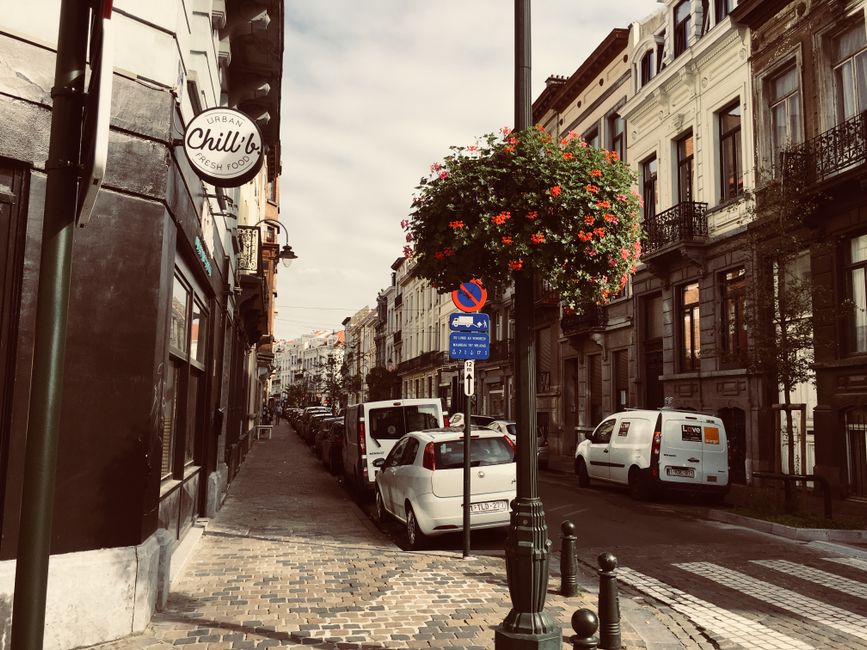
Day 3 goes to the neighbourhoods. Ixelles and Saint-Gilles for the Art Nouveau streets and the local restaurant scene. Matongé for something completely different.
Day 4 is a day trip to Bruges. About an hour by train and you get the most perfectly preserved medieval city in Europe. Go on a weekday to avoid the worst of the crowds.
Day 5 is Ghent. Roughly 30 minutes from Brussels and often more interesting than Bruges to visitors who like a city with a real population in it.
Day 6 is Antwerp. Fashion, diamonds, the Rubenshuis, and a port city with genuine character. Easy train journey and worth a full day.
Day 7 is back in Brussels for whatever you did not quite get to. The Atomium is good in the afternoon.
Plan the Week Clearly
Brussels plus the surrounding cities is one of the best regional combinations in Europe for a seven-day trip. Our Brussels guide gives you the city detail and helps you sequence the day trips efficiently.
Get the guide here: https://concisetravelguides.etsy.com/uk/listing/4451762411/brussels-travel-guide-pdf-digital-cheat
Master Brussels in Minutes
Don't waste hours planning. Get our condensed, digital cheat sheet with everything you actually need.
Shop Guide on Etsy →