ConciseTravel
Brussels in autumn is an underrated visit. The summer tourist pressure drops away, the Parc du Cinquantenaire fills with golden leaves, and the city's excellent food and chocolate scene becomes even easier to access when you're not navigating summer queues. The weather follows the standard Belgian pattern: decent in September, increasingly wet and cool through October, and properly cold by November. Pack for it correctly and the city works well.
The Autumn Layering Problem
September in Brussels runs 15-19 degrees with a mix of sun and cloud. October drops to 10-14 degrees with more consistent rain. November brings 5-9 degrees, overcast skies, and a damp cold that feels heavier than the temperature alone suggests.
Brussels sits in the middle of Belgium's flat geography, which means wind moves through the city without much interruption. The Grand Place and the surrounding streets amplify it. A mild afternoon can become a cold evening faster here than in cities with more natural shelter.
Brussels-Specific Essentials
A good waterproof jacket. Belgium's autumn rain is not dramatic -- it arrives as steady drizzle more often than storms -- but it is persistent. A waterproof with a hood handles a full day of sightseeing without leaving you damp and miserable by lunch.
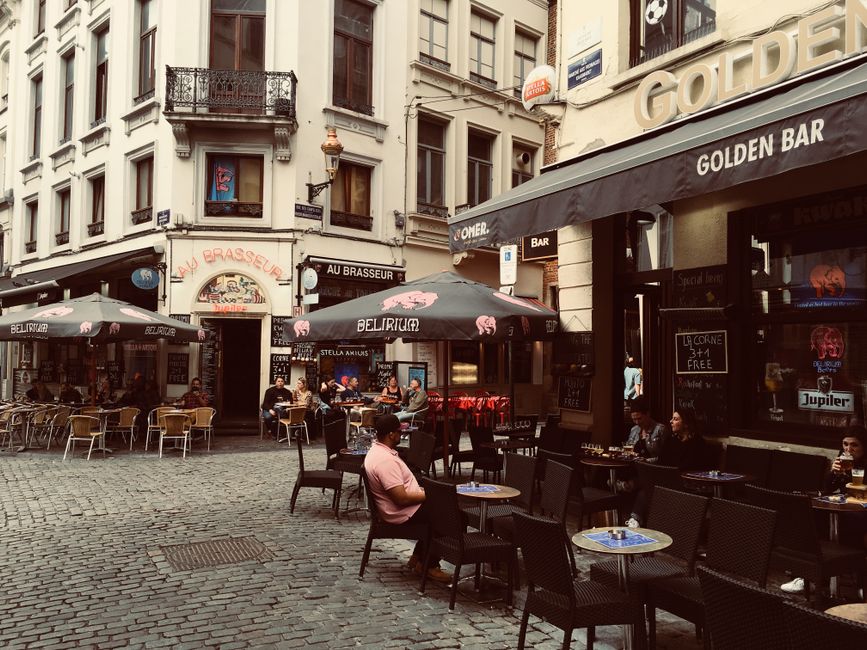
Warm mid-layer. A wool jumper or a fleece pulls your outfit from comfortable to genuinely warm for October evenings. Brussels has excellent brasseries and beer cafes for evening meals, and you'll want to arrive comfortable.
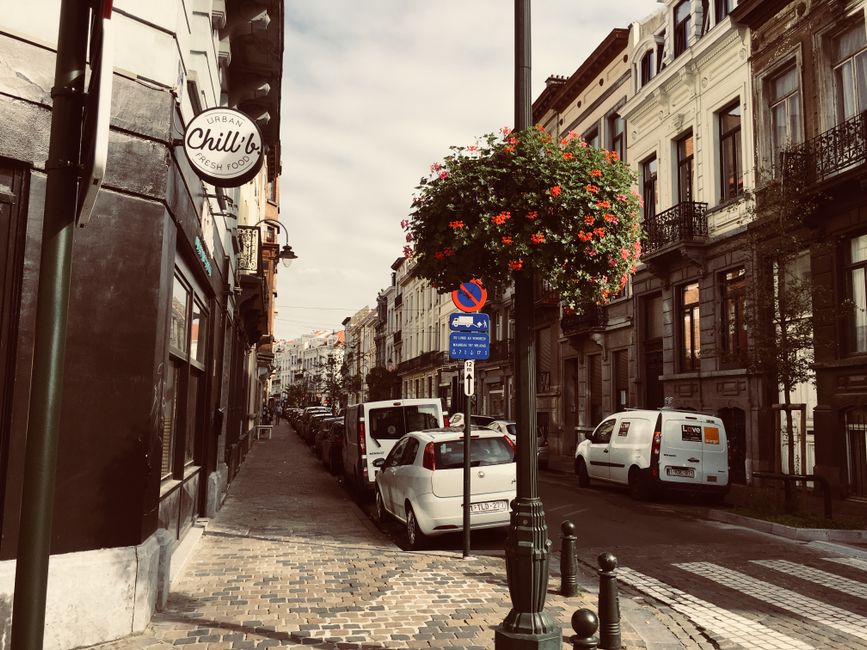
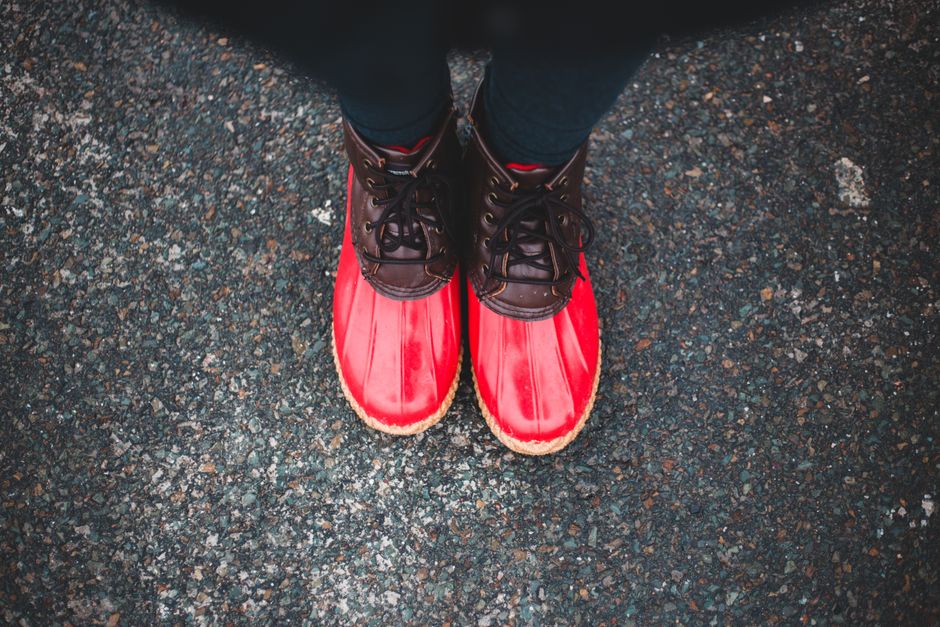
Comfortable, waterproof-lined shoes or boots. The cobblestone streets around the historic centre hold water after rain. Waterproof leather boots or shoes keep you dry through a full day of walking between the Grand Place, the Magritte Museum, and the Art Nouveau routes of Ixelles.
Hat and gloves from October. Ears get cold on Brussels' exposed squares and streets. A compact beanie and thin gloves pack small and make a real difference.
Compact umbrella as backup. Even with a waterproof jacket, an umbrella provides coverage for your bag and hands during heavier showers.
What to Leave Behind
Sandals. September is marginal. October onwards they have no purpose in Brussels.
Light summer-weight fabrics. Linen and thin cotton are genuinely uncomfortable from October. At least two layers of proper warmth are required.
Heavy formal wear. Brussels is a working city with a casual-to-smart dress code for most evenings. Smart trousers and a clean shirt or neat dress handle restaurants and bars without requiring a suit jacket.
A heavy single winter coat without layers. The range from September to November is wide. Layers you can add and remove are more useful than one coat optimised for peak winter.
Brussels in Autumn Rewards Indoor Exploration
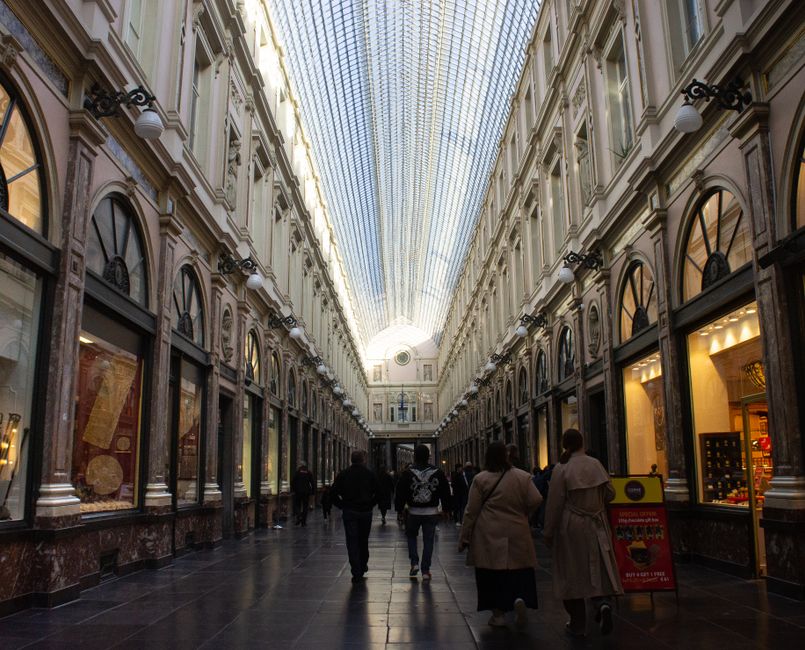
The city's best autumn moments split between outdoors (the parks, the Art Nouveau walking routes, the Atomium) and excellent indoor spaces (the Magritte Museum, the chocolate shops, the covered Galeries Royales). Having weatherproof outdoor gear means you can stay outside longer and choose when to duck inside, rather than retreating because you're cold.
Our Brussels Travel Guide covers the neighbourhood layout, chocolate shop recommendations, and how to structure a short city break. Find it at the link below.
Master Brussels in Minutes
Don't waste hours planning. Get our condensed, digital cheat sheet with everything you actually need.
Shop Guide on Etsy →