ConciseTravel
Brussels in December is one of the best winter city breaks in Europe. The Christmas market on Grand Place is legitimately one of the most beautiful in the world, Belgian beer is even better cold, and the waffle shops put out heat that you can feel from the pavement. January and February are quieter and colder, but the museums, the food, and the city's understated charm remain. The weather is reliably damp and cool throughout. Prepare for it properly.
The Real Winter Temperature Story
Brussels winter temperatures run in the 2-6C range from December through February. January is typically the coldest month, with overnight temperatures regularly dropping to 0C or below. Snow is possible but not common; rain and grey skies are far more consistent features of a Brussels winter.
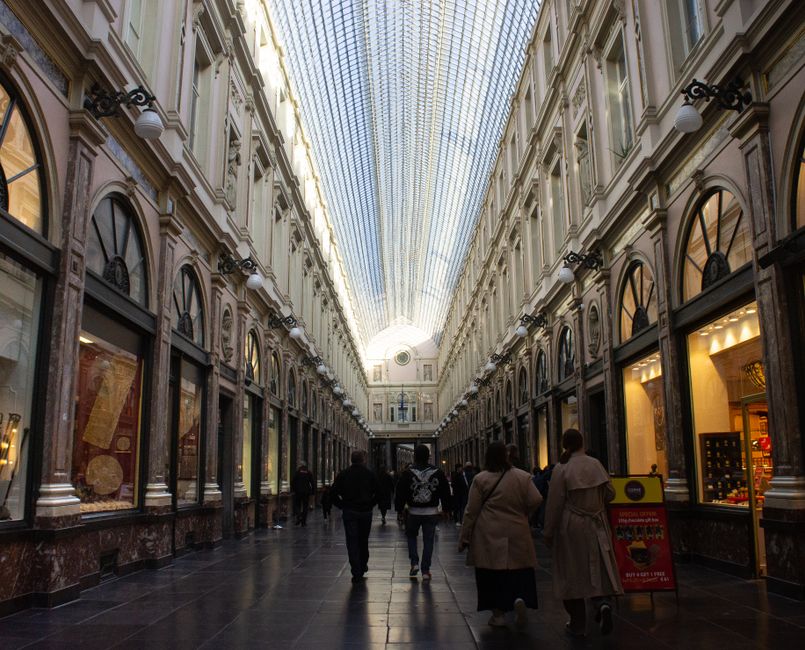
The city's central layout means you are often walking between attractions in whatever the weather produces. The covered Galeries Royales Saint-Hubert arcade gives you one excellent escape route on bad weather days, but most sightseeing in Brussels involves outdoor time. Wet, cold days here are not extreme, but they are real.
City-Specific Cold-Weather Must-Haves
A waterproof jacket or coat. Brussels gets consistent rain in winter and the wind in the open squares around Grand Place can be sharp. A waterproof layer is more useful here than in a city with more indoor sightseeing corridors.
Warm layers underneath. A fleece or wool jumper under your outer layer handles most Brussels winter days. On the coldest January days, add a thermal base layer.
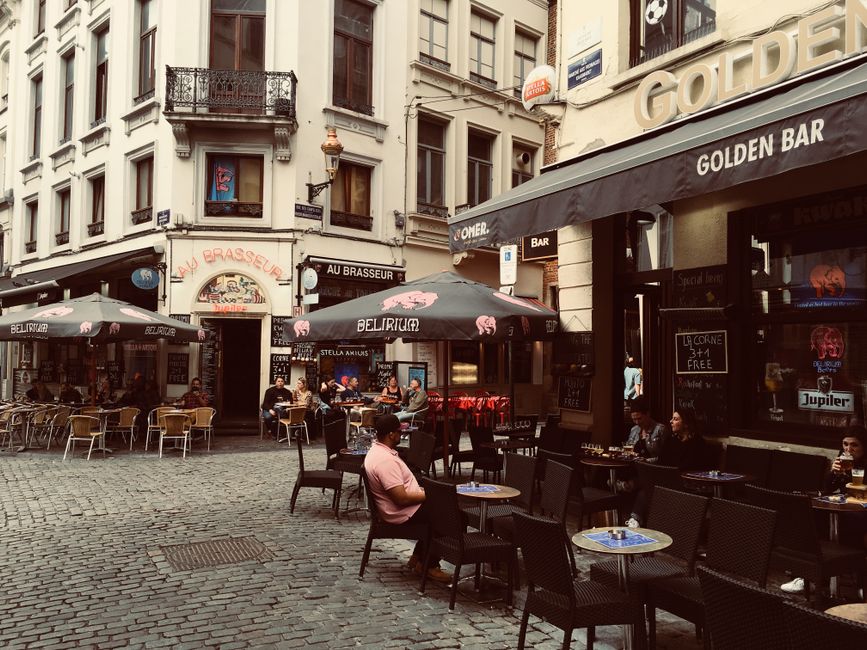
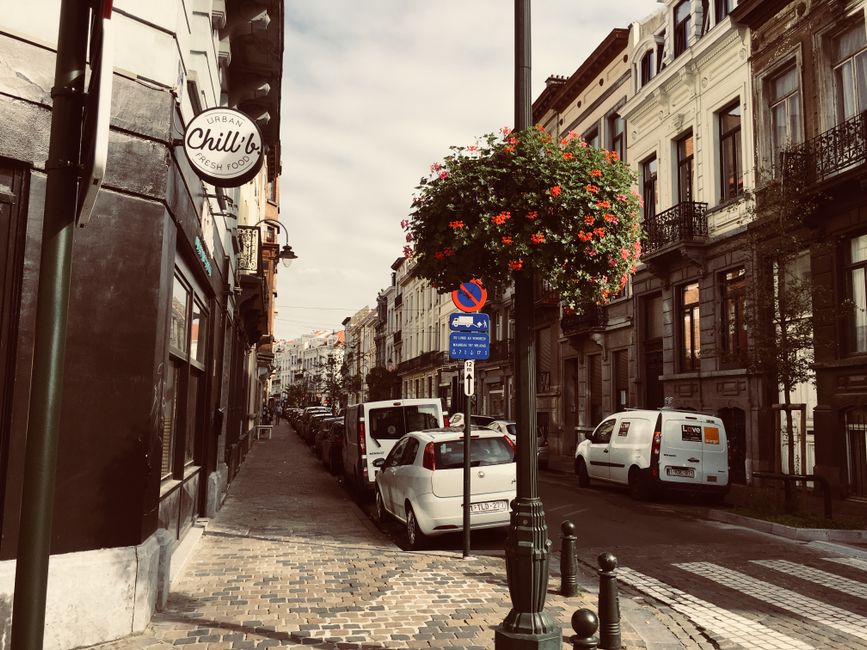
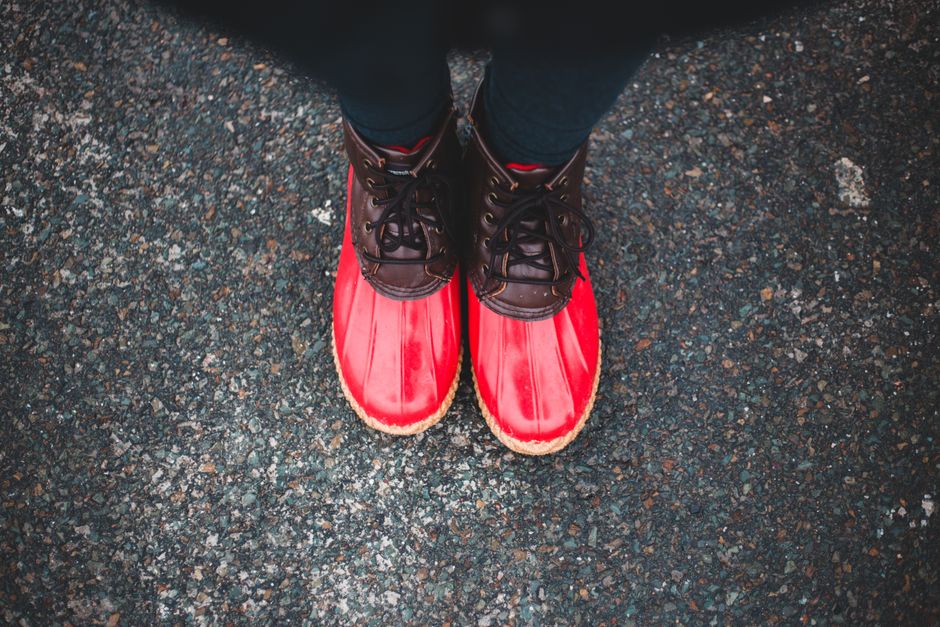
Waterproof shoes or boots. The cobblestones around Grand Place, the Sablon, and the Marollen district get wet and slippery. Grip and waterproofing matter here.
Hat and gloves. Standard winter accessories that earn their bag space throughout December, January, and February. The Christmas market in Grand Place is an outdoor experience lasting several hours; cold ears are avoidable.
A warm scarf. Useful throughout the day but particularly for the open-air sections of the Christmas market and the wide boulevards near the European Quarter.
Smart-casual clothes for evenings. Brussels has an excellent restaurant scene. Belgian dining culture takes food seriously, and a nice dinner in the Saint-Gilles or Ixelles neighbourhood benefits from something presentable.
What to Leave Behind
A thin rain mac as your only waterproof. Brussels winter rain is persistent enough to test anything that is not properly waterproof. A jacket with genuine waterproofing handles it; a fashion rain layer may not.
Sandals or summer shoes. Not a realistic option in any Brussels winter month.
Only casual clothes. The city has a notably good dining culture and some genuinely smart bars. A step up from jeans and a hoodie is worth packing for at least one evening.
Heavy hiking or ski gear. You are in a city. Warm and waterproof does not need to mean technical.
Packing it Together
Waterproof jacket, warm mid-layers, waterproof shoes, hat, gloves, scarf, and one smart-casual outfit for dinner. Brussels in winter fits in a carry-on bag without difficulty. The Christmas market season is the clearest reason to visit in December; the rest of winter is calm, affordable, and excellent for food.
The ConciseTravel Brussels guide covers the Grand Place, the best brasseries, and the city's food scene beyond the tourist trail: https://concisetravelguides.etsy.com/uk/listing/4451762411/brussels-travel-guide-pdf-digital-cheat
Master Brussels in Minutes
Don't waste hours planning. Get our condensed, digital cheat sheet with everything you actually need.
Shop Guide on Etsy →