ConciseTravel
The Crowd Problem Is Real But Manageable
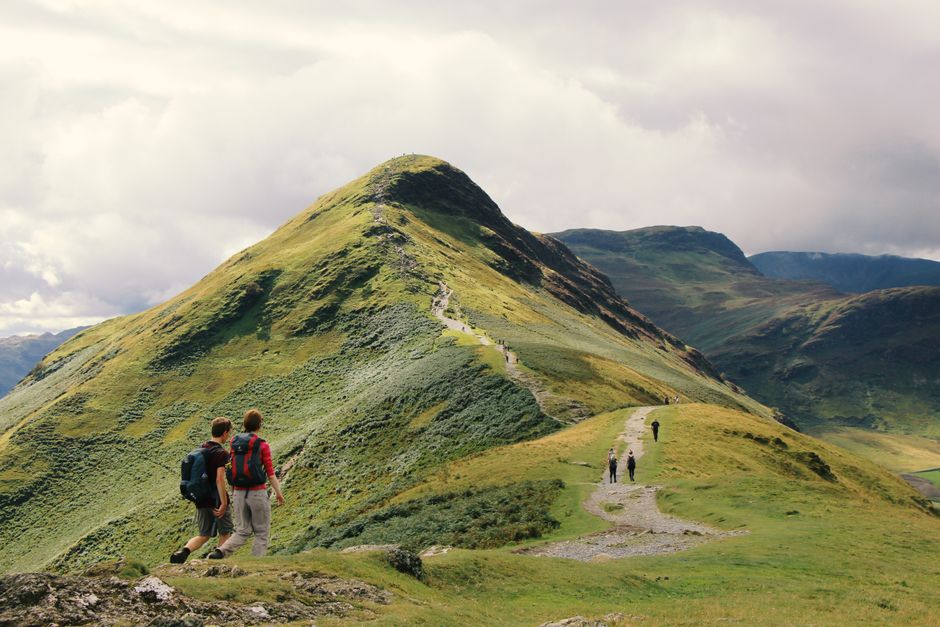
The Lake District gets around 19 million visits per year. Most of those visits concentrate in a handful of locations: Windermere, Grasmere, Bowness, Tarn Hows, Catbells, and a few other obvious targets. The car parks at these spots can fill by 9am on a summer weekend.
The rest of the national park, which is the vast majority of it, is comparatively quiet. The crowd problem is a distribution problem, and distribution problems are solvable with information.
Start Earlier Than You Think Necessary
7am on a fell is a different experience from 10am on the same fell. The light is better (angled, dramatic, mist possible), the air is cooler, and you have the summit to yourself. By the time the crowds arrive at the car park, you're already on the way down.
This is not just an aesthetic preference — early starts are genuinely more comfortable in summer because temperatures at lower altitudes rise significantly through the day. Breakfast from a bunkhouse or campsite at 6am, on the path by 7am, is a rhythm worth adopting.
The Western Lakes Are a Different Country
Most visitors stick to an axis between Windermere in the south and Keswick in the north. The western Lakes — Wasdale, Ennerdale, the Duddon Valley, Eskdale — sit outside this corridor and are significantly less visited.
Wasdale Head has England's smallest church, one of England's most remote pubs (The Wasdale Head Inn), and Scafell Pike as its back garden. Getting there requires a drive down the narrow Wasdale road from Gosforth, which filters out many casual visitors.
Ennerdale is the most remote of the major valleys — no through road, no tourist facilities to speak of, just a long lake and the forest beyond it. The Wild Ennerdale project aims to let the valley rewild gradually. It's one of the quietest places in the national park.
The Duddon Valley is an elongated valley between the fells west of Coniston. Wordsworth wrote a sonnet sequence about the River Duddon. Almost nobody goes there relative to its quality.
All three require a car. All three are worth the drive.
Find Rydal Cave (Nobody Advertises It)
Above the village of Rydal on Loughrigg Fell is a former quarry cave — large enough to walk into, with a small tarn inside in wet weather. It's visible on OS maps and findable with a map, but it doesn't appear prominently in most visitor guides.
The walk from Rydal village up to the cave and along Loughrigg Terrace back to Ambleside is one of the finest easy walks in the Lakes, and substantially quieter than Catbells.
Use the Evenings
Day-trippers leave. By late afternoon in summer, most of the visitors who drove in from Manchester or Leeds for the day are heading back to their cars. The lakeshores, the village centres, and even the lower fells quieten noticeably from around 4pm onward.
An evening walk to a viewpoint, followed by a pub dinner, is a better experience than a midday crowd-battle in most popular spots.
Go in Shoulder Season
April-May and September-October are the sweet spots. The landscape is at its most dramatic (lambs and wildflowers in spring; golden foliage in autumn), the weather is comparable to summer, and the crowds are a fraction of the July-August peak.
October in the Lakes is particularly underrated. The foliage change happens across the fells and lakesides simultaneously, the light at lower angles creates extraordinary conditions for photography, and accommodation is easier to find.
Specific Alternatives to the Obvious
| Instead of... | Try... |
|---|---|
| Tarn Hows | Blea Tarn (Langdale) — similar setting, fraction of the crowd |
| Catbells | Barrow or Causey Pike — same Derwentwater views, less traffic |
| Grasmere lake | Loughrigg Tarn — tiny, nearby, largely unknown to tourists |
| Windermere Bowness | Lakeside end of Windermere — quiet, the Newby Bridge end |
| Bowness town | Hawkshead — genuinely well-preserved, lower visitor numbers |
Know When to Stay Put
A soggy, quiet fell path in drizzle is genuinely better than a sunny one crowded with people who've never walked further than their nearest town centre. Pack for the weather, not against it.
Wet weather also makes the waterfalls more dramatic (Lodore Falls and Aira Force respond dramatically to rain), creates atmosphere in the valleys, and keeps fair-weather visitors in the cafes.
The ConciseTravel Lake District guide goes deeper on alternative routes, off-peak timing, and which western valley attractions are worth the extra effort to reach.