ConciseTravel
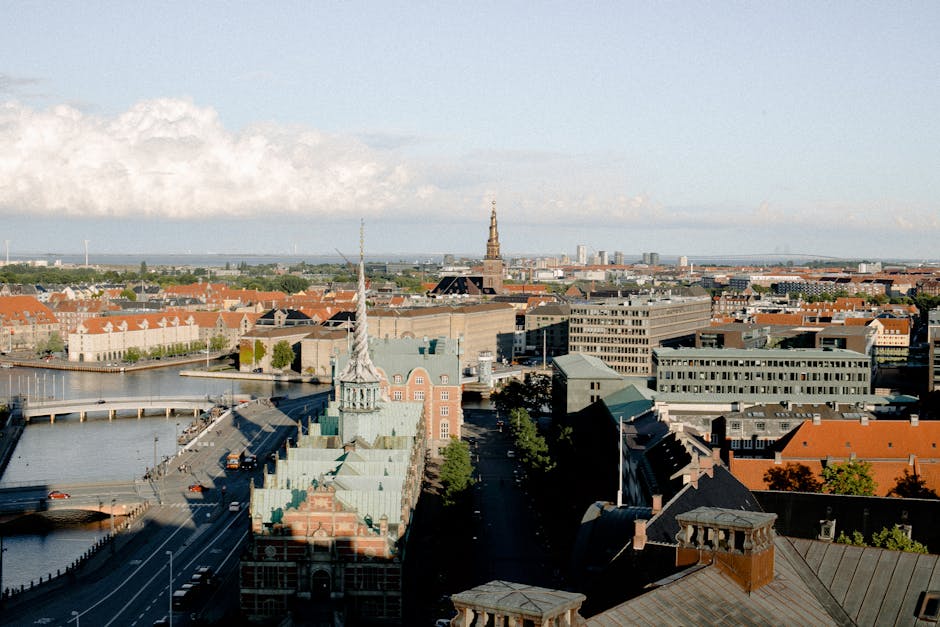
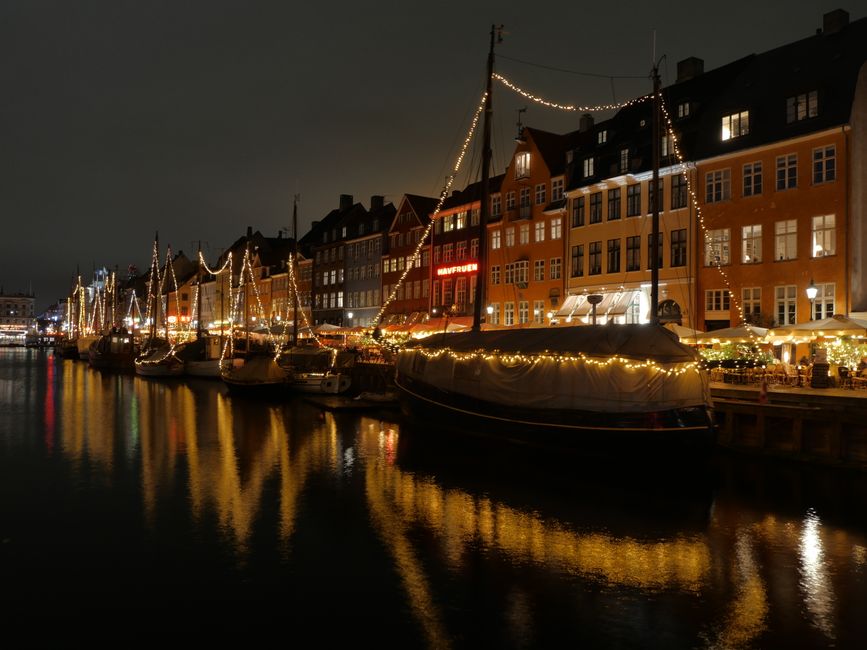
Copenhagen in winter takes a certain appreciation for darkness, wind, and the Scandinavian concept of hygge, which essentially means warm spaces, candles, and the comfort of being indoors when outdoors is unwelcoming. January has around 7 hours of daylight. The temperature regularly drops below freezing. The Danes handle this with wool, down, and warm restaurants, and so should you.
The Real Winter Temperature Story
December in Copenhagen averages 2-4C. January and February are the coldest months, sitting around 0 to 2C during the day and dropping to -3 to -5C at night. Snow is possible throughout winter, particularly in January and February. The city sits on a flat peninsula, which means wind arrives from the sea without obstruction. Wind chill takes the already-cold temperatures into uncomfortable territory quickly.
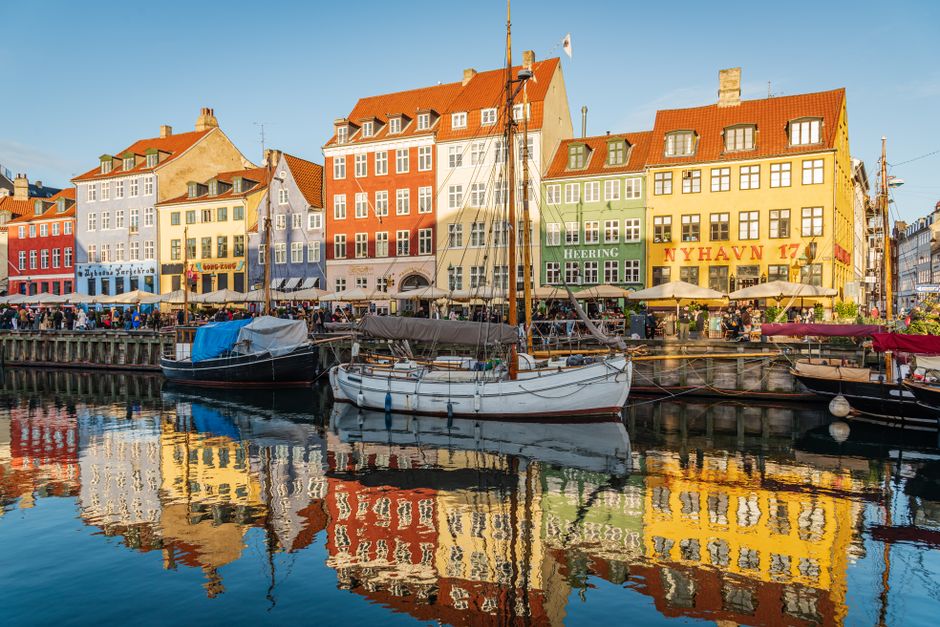
The upside is real: Tivoli's Christmas market in December is one of Scandinavia's best. Nyhavn's coloured facades look genuinely beautiful against winter skies. The city's food scene is excellent year-round and winter makes the warmth of a good restaurant feel earned. Dress properly and Copenhagen in winter is genuinely rewarding.
City-Specific Cold-Weather Must-Haves
A serious winter coat. Down-filled and windproof. Copenhagen wind is not a polite breeze; it comes off the sea and across the flat city without much to slow it down. Your coat needs to be up to the task.
Thermal base layers. Both top and bottom for January and February. A thermal top alone handles December on most days.
Wool or fleece mid-layer. Between thermals and your outer coat, a warm mid-layer adds significant insulation without much extra bulk.
Waterproof insulated boots. Cobblestone streets, potentially icy paths near the canals, and consistent cold. Boots with waterproofing, insulation, and grip are the right call.
Warm hat that covers your ears. The wind makes exposed ears painful within minutes. This is not aesthetic advice; it is a practical one.
Gloves and a warm scarf. Both essential in January and February. December is usually manageable without full glove coverage but bring them anyway.
Layers you can remove indoors. Copenhagen's restaurants, museums, and shops are all heated to comfortable indoor temperatures. The ability to layer down quickly when you step inside matters.
What to Leave Behind
Anything designed for mild UK or southern European winters. Copenhagen operates in a different cold category from Amsterdam or Paris. What works in those cities does not cover Copenhagen in January.
Fashion boots with flat leather soles. Icy cobblestones with flat leather soles are a dangerous combination. Grip matters here more than looks.
Light packable rain macs. Rain in Copenhagen is not your primary weather concern in winter; cold and wind are. A lightweight rain layer on its own is insufficient.
Sandals. Obvious, but worth stating: there is no realistic use case for sandals in Copenhagen in any of the three winter months.
Packing it Together
Serious winter coat, thermal layers, warm mid-layer, insulated waterproof boots, hat, gloves, and a scarf. Copenhagen in winter is a proper cold-weather trip. Accept this, dress for it, and the city's design culture, food scene, and hygge atmosphere make it one of the best winter destinations in Europe.
The ConciseTravel Copenhagen guide covers Nyhavn, Tivoli, the best restaurants, and how to move around the city efficiently: https://concisetravelguides.etsy.com/uk/listing/4460352300/copenhagen-travel-guide-cheat-sheet
Master Copenhagen in Minutes
Don't waste hours planning. Get our condensed, digital cheat sheet with everything you actually need.
Shop Guide on Etsy →