 ConciseTravel
The City That Makes No Sense (Until It Does)
Most cities have a personality. Hong Kong has several, all running simultaneously, and somehow it works.
You can eat a bowl of wonton noodles in a 70-year-old shop that smells of star anise, walk out, and be standing beneath a skyscraper taller than the Shard.The contrast never lets up, and after a while you stop questioning it and start enjoying it.
This is what makes Hong Kong unlike anywhere else on the planet.
A Brief Bit of Context
Hong Kong was a British colony until 1997, when it was handed back to China as a Special Administrative Region. That handover created a unique political arrangement that still shapes the city today. The legal system, the currency, the press, the architecture, the road rules, the language of street signs - all different from mainland China.
The result: a place that has absorbed a century of British influence, layered it onto thousands of years of Chinese culture, added waves of migration from across Asia and the world, and produced something that belongs entirely to itself.
Locals call it "East meets West," which sounds like a tourist brochure line until you spend twenty minutes walking through it and realise it is simply accurate.
What You Will Actually Notice
The pace. Hong Kong moves fast. People walk quickly, queues form and dissolve efficiently, trains arrive every two minutes.This is not a place for meandering.
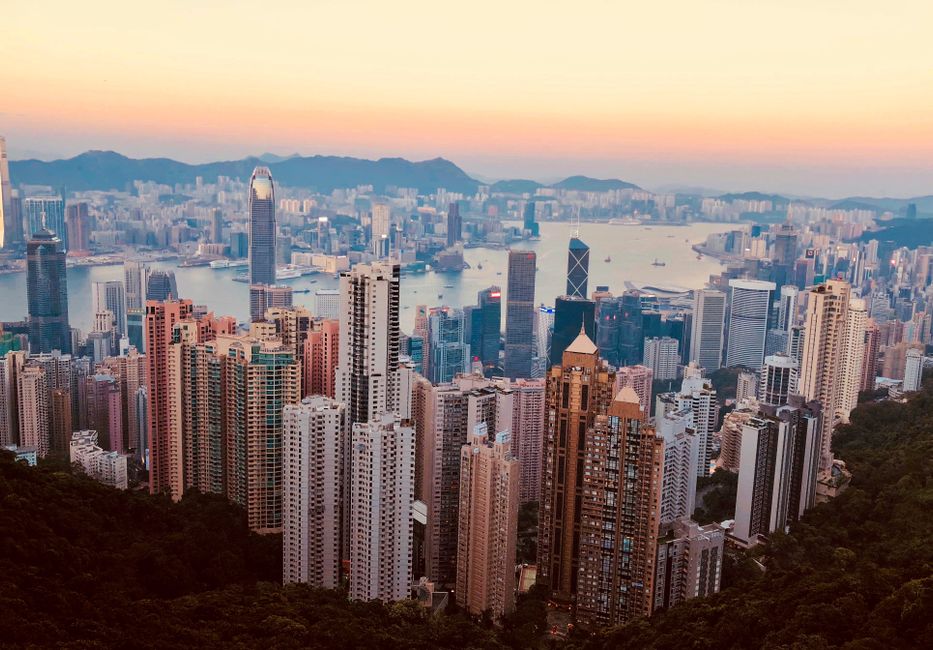
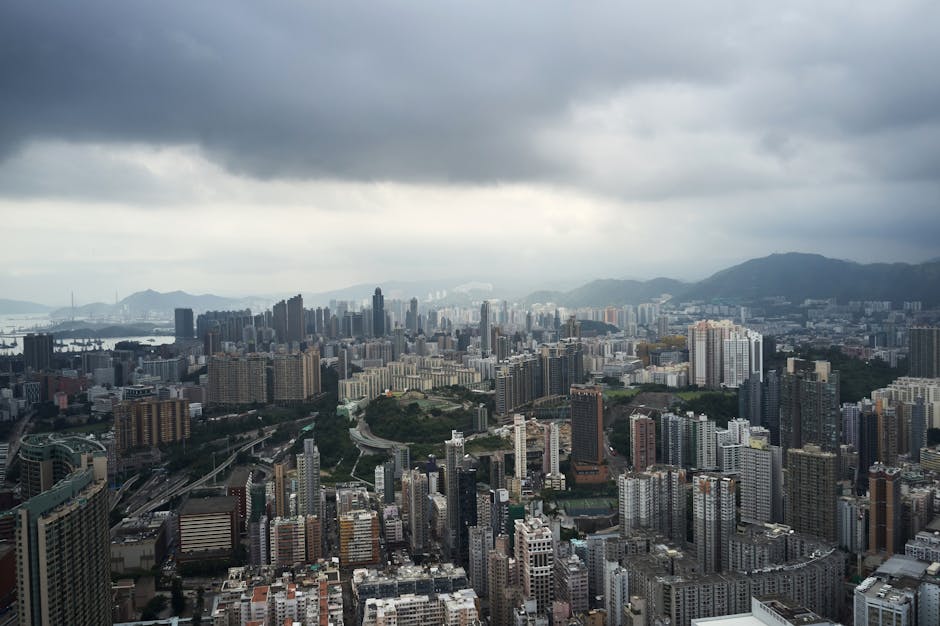
The density. Around 7.5 million people live in a territory roughly the size of greater London. The residential towers stack up like filing cabinets reaching for the clouds. And yet it does not feel claustrophobic once you are in it - partly because the public spaces are so well designed, and partly because 75% of Hong Kong's land is actually countryside.
The contrasts. Ancient temples in the middle of glass-and-steel districts. Double-decker trams rattling past Lamborghini dealerships. Monks with smartphones. Businesspeople stopping for congee at 7am before heading to meetings in gleaming towers. You could spend a week trying to photograph the contradictions and still not run out of material.
The food. More on this in other posts, but the short version: Hong Kong takes eating seriously in a way that few cities match. It is a city where people will argue passionately about the best place to get wonton noodles, then get a taxi across town to prove the point.
Cantonese Culture at the Centre
Cantonese is the dominant language and culture here, and that matters for how the city feels. Cantonese people are known for being practical, direct, and quietly proud. They value hard work, good food, family, and efficiency. They are not demonstratively warm to strangers in the way you might find in some cities, but ask for help and you will get it, usually with a degree of patience that puts the speed of the city to shame.
Many locals speak English - it is an official language - especially anyone under 50 who went through the education system. Signs, MTR announcements, restaurant menus in tourist areas: all in English. You will not struggle to communicate.
The big festivals - Lunar New Year, Mid-Autumn Festival, Dragon Boat Festival - bring a different side of the city out. The neon is replaced by red lanterns, the streets fill with people doing things that have been done in exactly the same way for hundreds of years, and the pace slows just enough to catch your breath.
Hong Kong Island vs Kowloon vs Everywhere Else
The territory divides roughly into four areas: Hong Kong Island (where Central, Sheung Wan, Wan Chai, and Causeway Bay sit), the Kowloon Peninsula (Tsim Sha Tsui, Mong Kok, Sham Shui Po), the New Territories (more rural, extending to the border with mainland China), and over 200 outlying islands.
Most visitors stick to Hong Kong Island and Kowloon, separated by Victoria Harbour. The ferry crossing between them - the Star Ferry - is one of the great ten-minute journeys in the world.
The New Territories and the islands offer a completely different Hong Kong: hiking trails, fishing villages, beaches, and the quiet that the city itself never quite delivers. Both are worth a day if your schedule allows.
The Best Time to Visit
October and November are the sweet spot: warm but not brutal, low humidity, clear skies, and the tail end of typhoon season behind you. December through February is mild and pleasant. Spring (March to May) brings cloud and occasional rain but comfortable temperatures.
Summer (June through August) is hot, intensely humid, and subject to sudden downpours and typhoons. The city does not stop - it never stops - but sightseeing in 34 degrees with 90% humidity is its own kind of challenge. The air-conditioning in every building becomes less a convenience and more a survival mechanism.