 ConciseTravel
Edinburgh is a city where the conventional wisdom has been badly distorted by one event. The Fringe brings a million visitors to a city of half a million in August, which has convinced many people that summer is the time to go. It is not, unless the Fringe itself is the point. For most travellers, the best version of Edinburgh happens well outside that window.
Spring (March to May)
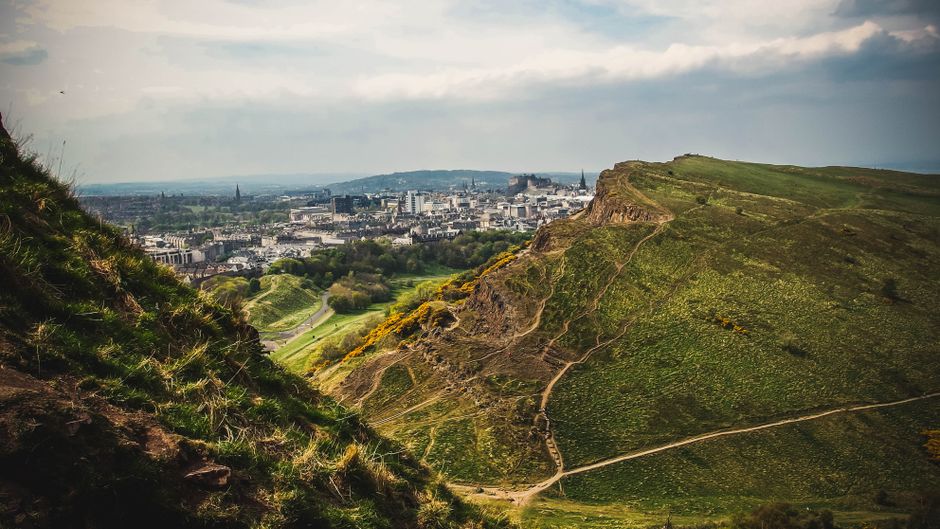
Edinburgh in spring is cold and occasionally brilliant. March sits around 7-10C, April warms slightly, and May can surprise with genuinely pleasant days of 14-16C. The light at this latitude has a quality that photographers notice: long golden hours, dramatic skies, and views from Arthur's Seat that hit differently than the same views in flat summer brightness.
The city is quiet relative to the festival season. The Royal Mile has room to breathe, the castle queues are short, and you can get a table at good restaurants without booking a month ahead. Accommodation prices run 30-40% below August peak.
The downside is weather unpredictability. Edinburgh in April will give you four seasons in a day without apology. Pack for it rather than against it.
Summer (June to August)
June is Edinburgh's warmest and most user-friendly month. Temperatures reach 17-19C, daylight extends past 10pm, and the city has genuine buzz without the full August pressure. The Royal Edinburgh Military Tattoo announces itself in the second half of August; for June visitors, the lead-up events and general summer energy are present without the city being at maximum capacity.
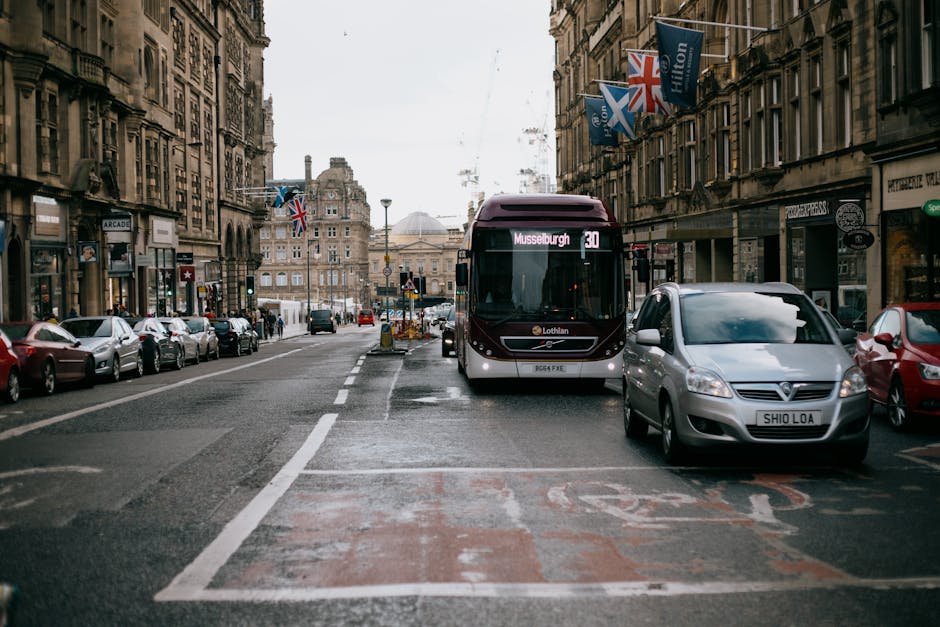
August is the Fringe: 25 days of comedy, theatre, dance, spoken word, and street performance that transforms every venue and spare room in the city into a stage. It is extraordinary if that is why you came. Hotel prices roughly double or triple. Every hostel, flat, and hotel in the central city fills weeks in advance. The streets are genuinely difficult to navigate on festival weekends. If you are not there for the arts programme, August in Edinburgh is the wrong choice.
The Tattoo (same month) adds another layer of demand. Military pageantry on the castle esplanade, very popular with international visitors, and priced accordingly.
Autumn (September to November)
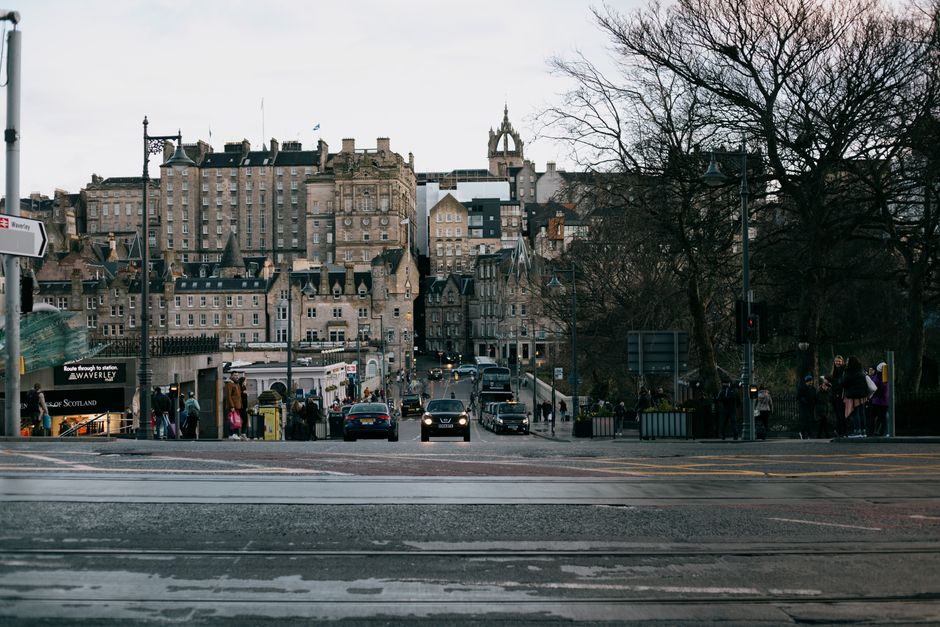
September has a strong argument for being the best month in Edinburgh. The Fringe ends, the city exhales, temperatures remain around 13-15C, and the dramatic autumn light on the Old Town is as good as the city gets visually. Prices drop sharply after the first two weeks.
October brings the Edinburgh International Film Festival and the early stirrings of Halloween programming around the city. Edinburgh does Halloween well, with the Samhuinn Fire Festival from the Beltane Fire Society on October 31 drawing crowds to Holyrood Park for an impressive open-air spectacle. Atmospheric without being overwhelming.
November gets cold and wet. The city is at its most local in November, which is either charming or bleak depending on your tolerance for grey skies and excellent whisky bars.
Winter (December to February)
Edinburgh's Hogmanay (December 30 to January 1) rivals any New Year's celebration in Europe. The street party, the torchlight procession, and the fireworks over the castle are a legitimate reason to visit in midwinter. Book accommodation for Hogmanay at least three months out and expect high prices.
Outside Hogmanay, Edinburgh in winter is raw but rewarding. Christmas markets on the Mound and in Princes Street Gardens are pleasant enough, though less distinguished than Vienna or Strasbourg. January and February are cold (2-6C), frequently grey, and extremely quiet. Prices bottom out. The city's pub and whisky culture makes far more sense in this weather than in August.
Key Events That Shift the Calculus
- Edinburgh Fringe (August): the world's largest arts festival; either the whole reason to go or a strong reason to avoid August
- Royal Edinburgh Military Tattoo (August): runs concurrently with the Fringe; adds demand and prices
- Samhuinn Fire Festival (October 31): distinctive and genuinely spectacular
- Hogmanay (December 30 - January 1): world-class New Year's; book far ahead
The Verdict
Best window: September to early October. Post-Fringe quiet, warm enough for outdoor exploration, autumn light that makes the Old Town look extraordinary, and prices that reflect a city rather than a festival. This is Edinburgh without the performance pressure.
Runner-up: June. Long days, liveable temperatures, manageable crowds, and you get the energy of a city warming up for its biggest season without the chaos of peak August.
Avoid: mid-August if you are not there for the Fringe or the Tattoo. You will pay festival prices for a city you can barely move through.
Our Edinburgh city break guide covers the essential sights, neighbourhoods, and day trips to help you plan around whichever season you choose.
Master Edinburgh in Minutes
Don't waste hours planning. Get our condensed, digital cheat sheet with everything you actually need.
Shop Guide on Etsy →