ConciseTravel
Athens gets two things wrong in the popular imagination: it isn't just a summer city, and summer there is significantly harder than most people plan for.
Summer: The Heat Is Not a Joke
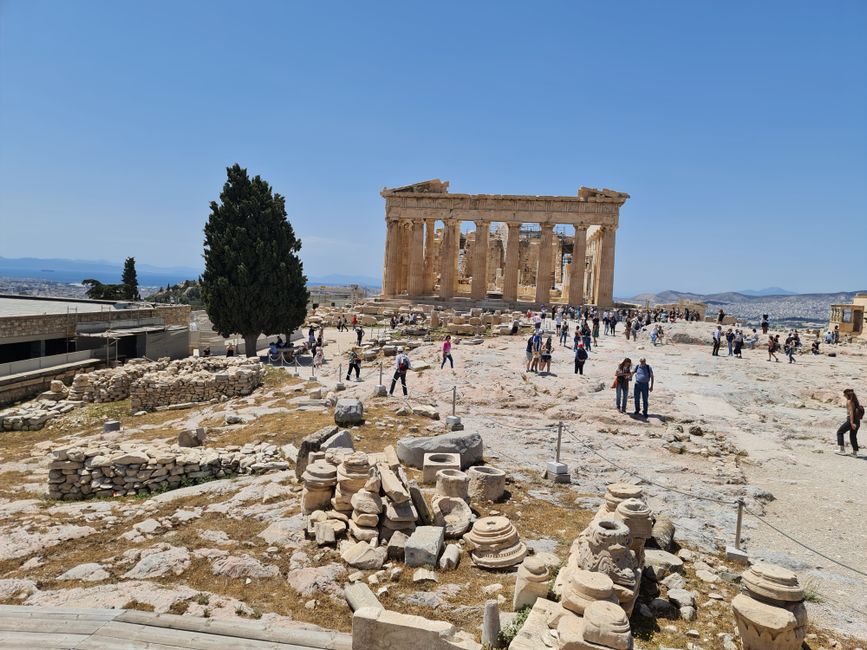
July and August in Athens means temperatures routinely hitting 36-40°C, with heatwaves pushing higher. The Acropolis is an exposed limestone hillside with no shade and minimal shelter. Visiting it between 10am and 4pm in August is genuinely punishing — and most tourists do exactly that, because they haven't read the warnings.
The crowds match the heat. Athens in July and August is at its most visited, with cruise passengers flooding the historic centre daily, queues at the Acropolis stretching past 45 minutes even with timed entry, and accommodation at its annual price peak. Hotel rates in Monastiraki and Koukaki run 30-40% above shoulder season.
There's still a case for summer. The Athens Epidaurus Festival runs from June through August: ancient drama performed at the Odeon of Herodes Atticus and the theatre at Epidaurus, and it's spectacular if you can handle the broader conditions. June is the least brutal summer month, with temperatures around 28-32°C and manageable humidity. But July and August require a specific strategy: early morning monuments, long midday break, late evening dining — which Athenians manage by instinct and tourists often don't.
Winter: Mild, Empty, and Overlooked
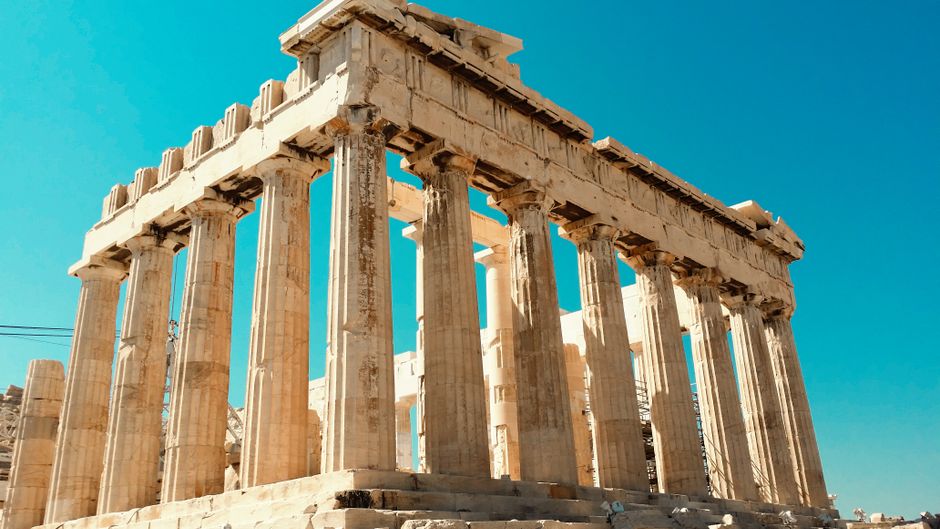
December through February sees Athens at its least visited and most manageable. Temperatures stay around 8-14°C, occasionally dipping to 5°C on colder nights. Rain is possible but Athens gets significantly less of it than most European capitals. The Acropolis and National Archaeological Museum are practically empty on weekday mornings — you can stand in front of the Parthenon without a crowd.
Hotel prices in winter drop 30-40% from summer peak, and the food scene doesn't shut down. Athens's taverna culture operates year-round, and the lack of tourist crush means you're more likely to find yourself in places that serve Athenians rather than visitors.
The tradeoff: some smaller sites have reduced hours, the outdoor dining culture is limited by temperature, and Athens without the summer warmth and energy can feel slightly stripped-back. But for history-focused travelers, winter is seriously undervalued.
Autumn: The Right Answer
September and October are when Athens repays the visitor properly. The heat eases — September runs around 26-30°C, dropping to a comfortable 18-24°C in October — the summer crowds clear after the school holidays, and the city settles back into its own rhythm. The Acropolis remains manageable in September if you visit before 9am or after 4pm. By October, the queues largely disappear.
October in particular delivers near-perfect conditions: warm enough for outdoor café culture, cool enough to walk Monastiraki, Plaka, and Anafiotika without stopping every five minutes, and priced reasonably below summer rates. The light in Athens in October is genuinely extraordinary — clear skies and a lower sun that makes the marble glow in a way July's harsh overhead light doesn't.
Spring: Almost as Good
March through May is Athens's other strong season. Temperatures climb from 14°C in March to 26°C in May, wildflowers appear on the hills around the city, and the tourist season starts ramping up from April onwards. Easter (Greek Orthodox Easter, which falls later than Western Easter) is Athens's biggest cultural event: processions, candlelit midnight services, and a city that feels genuinely festive rather than tourist-oriented. It draws domestic and diaspora visitors, so hotel prices spike for that week.
May is excellent: warm, lively, and not yet at summer crush levels. The Athens and Epidaurus Festival programme often starts in late May or June, so early festival programming may be accessible.
Key Events That Change the Maths
- Athens and Epidaurus Festival (June-August): Ancient drama at world-class venues. A genuine reason to visit in summer despite the heat.
- Greek Orthodox Easter (variable, April or May): Athens's most atmospheric cultural event. Book well in advance; prices spike.
- Athens Marathon (November): The original course, from Marathon to Athens. Historic and atmospheric if running is your interest.
- Apokries / Greek Carnival (February-March): Pre-Lenten festivities. Lively but not a major visitor event in the way Easter is.
The Verdict
Best window: October. The crowds and heat have gone together. The Acropolis is approachable at normal human hours. Prices are fair. The city looks spectacular in the autumn light. For most travelers visiting Athens for the history, culture, and food, October is the straightforward answer.
Runner-up: May. Warm, beautiful, pre-crowd, and with the added dimension of Orthodox Easter if the timing aligns. If you can time a late April or early May visit around Easter, it's one of the most memorable experiences Athens offers.
Avoid August unless you're specifically coming for the festival and have planned your schedule around the heat. It's doable, but it shouldn't surprise you.
Our Athens city break guide takes the guesswork out of the planning — from Acropolis timing to the best neighbourhoods to base yourself, laid out so you can move efficiently rather than navigate by trial and error.
Master Athens in Minutes
Don't waste hours planning. Get our condensed, digital cheat sheet with everything you actually need.
Shop Guide on Etsy →