 ConciseTravel

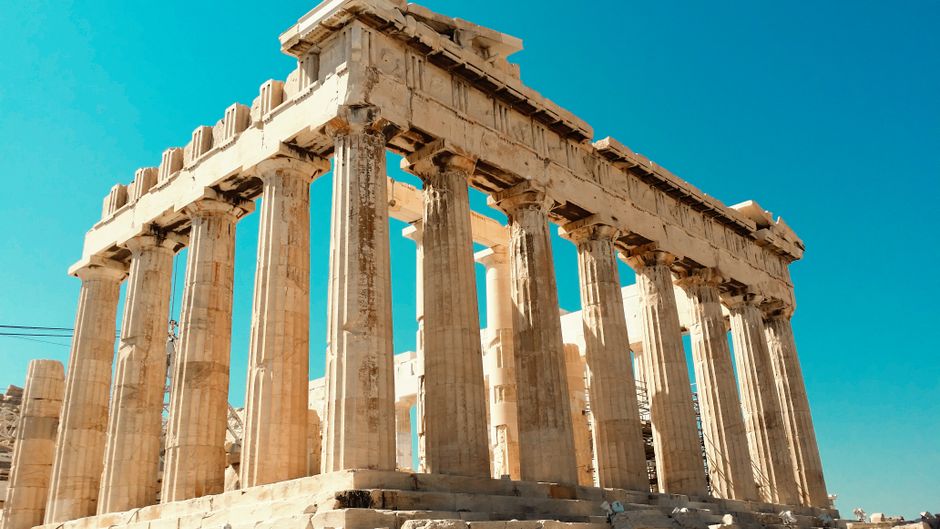
Athens has a midday problem. Between roughly 11am and 3pm in the warmer months, the Acropolis becomes one of the more unpleasant visitor experiences in Europe. You're on an exposed limestone hill with almost no shade, surrounded by several thousand other people, under a Greek sun that has no interest in being polite about it. The heat bounces off the rock. The queues are long. The Parthenon is genuinely magnificent, but it's hard to feel that when you're sweating through your shirt and waiting for a gap in the selfie formation.
This is not a niche problem. It's the default experience for visitors who show up mid-morning after a relaxed hotel breakfast, which is most visitors.
Why People End Up There at the Wrong Time
The Acropolis opens at 8am. Most people don't make it before 10 or 11. There are a few reasons: jet lag, a slow start, a breakfast that ran longer than planned, an itinerary that put something else first. The result is that the peak crowd window — 10am to 3pm — catches the majority of the site's daily visitors at the same time.
The temperature problem compounds this. In May through September, Athens midday temperatures regularly sit between 30 and 38 degrees. On the hill, without wind and with the white marble reflecting heat back at you, it feels hotter. Older visitors, families with young children, and anyone not in peak physical condition finds it genuinely hard going.
What Early Morning Actually Looks Like
Arrive at or just after 8am and the experience is a different thing entirely. The site gets light at that hour in a way that photographers know about and most tourists miss entirely. The Parthenon in low morning sun is a different visual to the harsh midday glare. The crowds haven't built yet. You can stop in front of the Erechtheion without someone walking into your eyeline. You can sit and look at the city spread below without feeling like you're blocking a thoroughfare.
It's quieter, cooler, and more human. The walk up takes 10 to 15 minutes and the path is manageable before the heat sets in.
Booking your timed entry for the first or second slot isn't just advice for morning people. It's the difference between an experience that justifies the Acropolis's reputation and one that makes you wonder what the fuss was about.
The Evening Option
Late afternoon and evening entry has a different quality. The heat has dropped. The light is going golden. Post-5pm the crowds thin out as day-trippers head back to their hotels. If you visit in summer, Athens stays light until well past 8pm, which means an early evening visit gives you good light, cooler air, and a site that's notably less congested.
The tradeoff is that evening visits can feel slightly rushed if closing time is approaching, and the light fades during your visit rather than holding. But for anyone who can't make the early morning window, evening beats midday with no contest.
What to Do With the Time You Saved
Not rushing the Acropolis to a midday slot opens up a more logical Athens day. A proper morning visit finishes around 10 or 10:30am while the temperature is still reasonable. From there, the Ancient Agora sits directly below the Acropolis hill and covers the civic heart of ancient Athens — the Temple of Hephaestus is one of the best-preserved Greek temples anywhere, and the site is consistently less crowded than the Acropolis. That takes another 90 minutes at a reasonable pace.
By noon you've covered the two most historically significant sites in the city, the temperature is peaking, and you have a legitimate reason to retreat to a shaded taverna for a long lunch and a cold drink. This is not laziness. This is the correct Athens itinerary.
The afternoon, once things cool toward 4pm, is when the Plaka neighbourhood and the streets around Monastiraki actually become pleasant to walk.
The Practical Version
Timed entry tickets for the Acropolis book out. Not always, not in every season, but reliably during the summer peak and on weekends in spring and autumn. Book before you travel, not when you arrive. Pick the 8am or 9am slot. Bring water — more than you think you need. Wear shoes that work on uneven stone.
None of this is complicated. It's just not what most people do, which is why most people have a harder time than they needed to.
Our Athens city break guide covers the Acropolis, the Agora, the Acropolis Museum, and how to structure Athens across two, three, or four days without wasting time or melting in the midday heat.