 ConciseTravel
Both Prague and Budapest sit in that sweet spot where the architecture is spectacular, the beer is cheap, and you can eat well without watching the bill. They are the two most-compared Central European city breaks for good reason: same approximate budget, similar flight times from most UK and European cities, and both deliver a visual payoff that punches well above their price point. Choosing between them is harder than it looks.
Here is what actually separates them.
What they look like
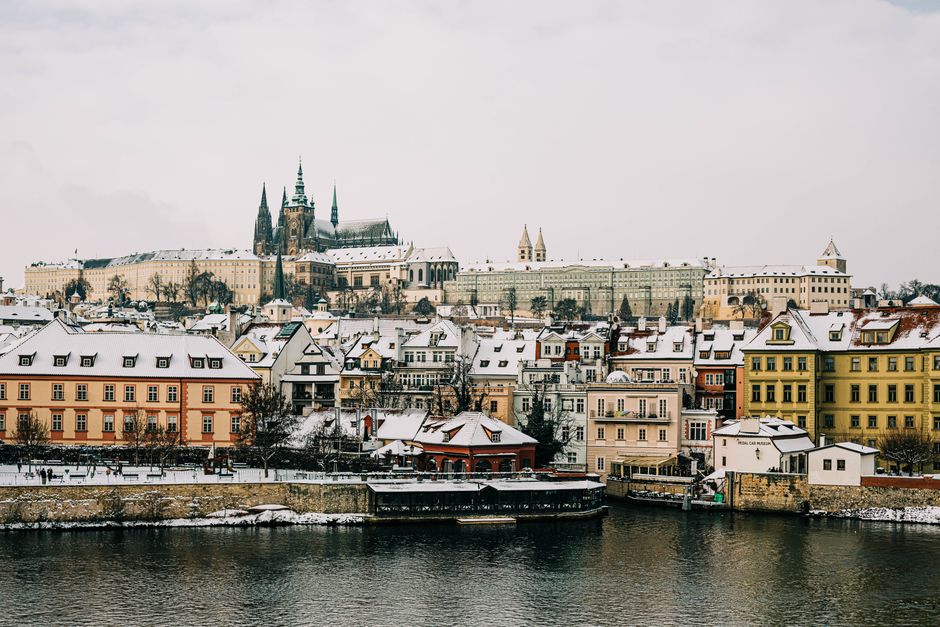
Prague is a fairy tale rendered in stone. The Old Town, the Charles Bridge, the Castle District above the river — it is one of the most photogenic cities in Europe, and it survived the 20th century largely intact, which means you are seeing the real thing rather than reconstruction. The density of medieval and Baroque architecture in a small walkable area is almost overwhelming. Prague is the city that ruins your photos of other cities.
Budapest is grander and more theatrical. The Parliament building on the Danube is one of the most dramatic pieces of civic architecture anywhere in Europe. Buda Castle, the Chain Bridge, and the ruin bars of the Jewish Quarter give the city a personality that shifts between formal splendour and cheerful decay. Budapest feels like it has lived harder — more history, more scars, more texture.
Both are beautiful. Prague is more immediately postcard-perfect. Budapest is more interesting the longer you look.
Value for money
This is the question the title promises to answer, so here it is directly: Budapest is better value right now.
Prague has become noticeably more expensive in recent years. It is still cheaper than Paris or Amsterdam, but accommodation prices in the centre are competitive with many Western European cities, and the tourist infrastructure has pushed restaurant prices up in the most-visited areas. You can still find good value in Prague, but you have to look for it.
Budapest has lagged behind on price inflation. Central accommodation runs meaningfully cheaper, restaurants deliver generous portions at lower prices, and the thermal baths — one of the city's signature experiences — cost around €20-€25 for several hours. A good dinner with drinks in a mid-range Budapest restaurant routinely comes in at €25-€35 per person. Equivalent food and atmosphere in central Prague often costs more.
Budget around €70-€90 per person per day in Budapest for a comfortable trip. Prague is likely to run €90-€120 for similar standards.
The experiences that set each city apart
Prague's defining experiences are architectural and atmospheric. Walking the Charles Bridge at 7am before the crowds arrive, standing in Old Town Square when the astronomical clock does its thing, climbing to the Castle District at sunset — these are all free or close to it, and they are genuinely special. The city rewards early mornings and aimless walking more than almost anywhere else.
Budapest has the thermal baths, and they are not optional. Széchenyi and Gellért are the two most visited; both are worth it. The ruin bars — Szimpla Kert being the most famous — are a specific Budapest invention: repurposed abandoned buildings with mismatched furniture and a slightly chaotic energy that works better than it should. The Jewish Quarter has genuine historical weight. The panoramic view from the Fisherman's Bastion in Buda is one of the best free views in Europe.
Nightlife
Budapest has the better nightlife by most measures. The ruin bar scene has international reach now, but it started here and still feels most authentic here. The city has a late-night culture that is relaxed and reasonably priced — you are not paying London prices for the privilege of staying out late.
Prague has a nightlife reputation that peaked in the early 2000s and has since evolved into something more mixed. The stag party economy around certain areas of the Old Town has pushed out some of the locals-and-visitors balance, particularly on weekends. Venture beyond Wenceslas Square and you find a more genuine bar scene, but you need to know where to look.
Food and drink
Czech food is hearty, meat-heavy, and built around pork, dumplings, and svíčková (beef sirloin in cream sauce). It is excellent winter food and very affordable. Beer is the national obsession — Czech lager is among the best in the world, and a half-litre in Prague still costs well under €3 in most non-tourist bars.
Hungarian food is more varied and more interesting for a longer trip. Goulash is the entry point, but the cuisine extends into paprika-heavy stews, cold sour cherry soup, lángos (fried dough with sour cream and cheese, eaten at markets), and a strong pastry tradition. Hungarian wines — especially from Tokaj and the Eger region — are underappreciated and well-priced. The ruin bars serve cocktails at prices that make Western Europeans visibly emotional.
Crowds and seasonality
Prague is one of Europe's most visited cities per capita, and in summer the Old Town can feel more like a theme park than a living city. The crowds are real and they affect the experience. Shoulder season (March-April, October-November) or winter trips are significantly better.
Budapest is busy but not to the same degree. Summer is crowded at the main sights, but the city is large enough to absorb visitors without the same claustrophobic effect. The thermal baths are busy year-round but the outdoor pools are at their best in cooler months — something about sitting in 38-degree water when it is 5 degrees outside is deeply right.
The honest verdict
Choose Prague if: you want the most purely beautiful city break in Central Europe, you are visiting for the first time and want something architecturally extraordinary, or you are going in winter and want the Christmas market atmosphere.
Choose Budapest if: you want better value, more variety in food and experiences, a stronger nightlife scene, or you want a city that rewards staying longer rather than just photographing the postcard views.
If you are making a purely financial argument: Budapest wins. If you are making a purely visual argument: Prague edges it. If you have a week, do both — the overnight train between them is an experience in itself.
Our Prague city break guide and Budapest city break guide both cover transport, neighbourhoods, what to eat, and what to skip — everything you need to make the most of whichever you choose.