ConciseTravel
Ponte Vecchio is the bridge everyone photographs. It's featured in every Florence travel guide, on postcards, in Instagram feeds. By reputation, it's the picturesque spot you're supposed to visit. By reality, it's a medieval bridge with a genuinely interesting history, currently operating as an upscale shopping mall in an inconvenient location.
Both versions are accurate. The history is real. The photographers elbowing each other to get the angle is also real.
The History (the Interesting Part)
Ponte Vecchio is the only Arno bridge that survived World War II bombing. When the Nazis retreated from Florence, they blew up most bridges to slow the Allied advance. Ponte Vecchio was destroyed in previous centuries and rebuilt to be so sturdy that military engineers decided not to waste explosives on it. Lucky bridge.
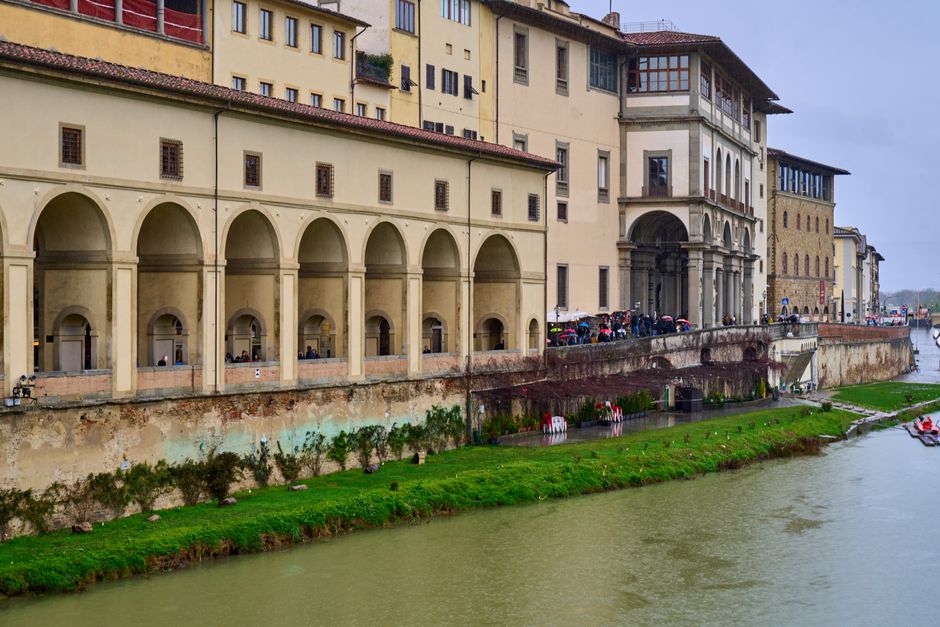
The current structure dates to 1345. It's made of stone, built to last, and has been modified multiple times - most significantly in the 16th century when the Medici family wanted a private corridor above the bridge connecting the Palazzo Vecchio to their residence (Pitti Palace). That corridor still exists - it's the enclosed structure running down the bridge's spine.
The shops lining the bridge were originally butchers (because they could dump waste directly into the river). Eventually they were replaced by jewellers, who remain to this day. The jewellery shops are legitimately high-end - the bridge generates premium rents and attracts serious merchants.
Historically, Ponte Vecchio was crucial Florence infrastructure - the main crossing point over the Arno. Crossing it meant crossing the city. Wars were fought for control of it. It's been rebuilt, damaged, defended, and maintained continuously for nearly 700 years.
The Photography Reality
Ponte Vecchio is packed. Not metaphorically. Literally packed with tourists, phone-toting Instagram seekers, and package tours during any daylight hour between 9 AM and 6 PM.
The best angle for photos (looking at the bridge from the south, with the Arno in front) involves standing on the adjacent Ponte Santa Trinita or in the riverbank area. These spots fill up by mid-morning.
Getting a clear photo without 20 tourists in frame requires timing, persistence, and honesty about what you're trying to accomplish.
When to Photograph
Early Morning (7-8:30 AM): The light is beautiful, the crowds are minimal, the shops aren't open. This is the best time for genuine photography.
Late Afternoon/Evening (5-7 PM): The light is warm, the main crowds have dispersed, the bridge is still accessible. Not quite as good as morning but genuinely decent.
Sunrise (6-7 AM in summer): If you're an actual photographer and care about light, this is optimal. You might be alone. The colours are extraordinary.
Any midday hour: Don't bother. It's human congestion with mediocre light. You'll get a photo with 50 tourists in the background.
The Jewellers
The shops on Ponte Vecchio are legitimate jewellery businesses, not tourist trap gift shops. They sell actual jewellery - gold, silver, gemstones, crafted pieces. Prices are premium but the quality is generally high.
Browsing is fine. Buying requires caution - you're in a premium tourist location paying premium prices for items sold worldwide at lower costs. That doesn't mean you're getting ripped off necessarily, but you're not getting a deal either.
Most tourists don't buy. They walk across, take photos, maybe peek in shops, move on.
The Actual Experience
Walking across Ponte Vecchio is simultaneously beautiful and annoying. The bridge itself is medieval and genuinely gorgeous. The crowd experience is often tedious.
The walk takes 10 minutes if you're moving steadily. Most people stop repeatedly for photos, so it stretches to 20-30 minutes.
The views from the bridge looking down the Arno are genuinely pretty. The corridor above (the Medici passage) isn't accessible to regular visitors - it's only open during specific exhibitions or private tours.
The Honest Assessment
Ponte Vecchio is worth visiting because it's historically important and architecturally interesting. It's absolutely worth photographing if you're willing to time it for early morning or late afternoon.
But the hype exceeds the reality. It's a beautiful medieval bridge with a good historical story and now-intrusive commercial use. The experience of walking it is split between "this is lovely" and "why are there so many people here."
You should go. Go early morning, take your photos, enjoy the history, move on. Don't spend hours here. There's more interesting Florence beyond the crowd management of one bridge.
Beyond the Bridge
The real value is the surroundings. Ponte Vecchio connects the commercial centre (north) to Oltrarno (south). Walking across means moving between neighbourhoods. Use it as a transit point, not a destination.
The Ponte Santa Trinita (just upstream) is architecturally more interesting and less crowded - worth a quick walk if you're in the area.
Photography Tips (for the Ambitious)
Shoot from Ponte Santa Trinita looking east. You get Ponte Vecchio with the river, banks, and buildings in context.
Shoot from the south riverbank at golden hour. The light and angle make the bridge look like every postcard you've seen, but with actual good light.
Shoot the details - the jewellery shop windows, the Medici corridor entrance, the architectural details. Not just the whole bridge. The details are what make it interesting.
Ignore other photographers. Everyone's taking the same photo. Do something slightly different.