 ConciseTravel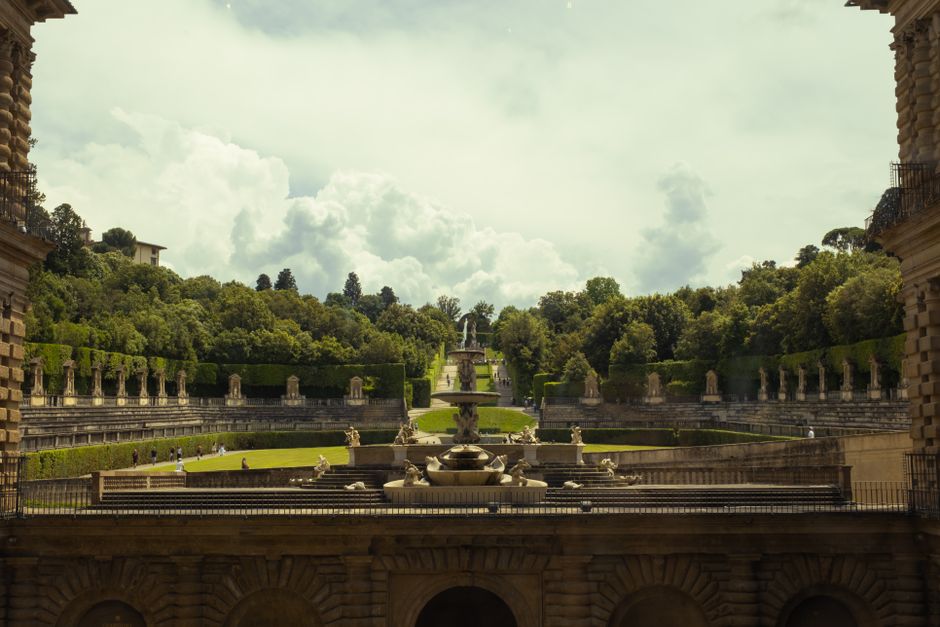
Boboli Gardens are what happens when wealthy powerful families decide they want to reshape nature according to geometric principles. The Medici family built Pitti Palace (their Florence residence) and then spent generations developing 45 acres of gardens that represent the most ambitious landscape design project in Renaissance Florence.
Most tourists skip Boboli because they're focusing on museum-hopping. That's a genuine mistake. The gardens are extraordinary - not just pretty, but conceptually interesting in ways that matter.
What You're Actually Walking Through
Boboli is a masterpiece of Renaissance and Baroque landscape design. It's not natural. Every tree, path, fountain, and viewpoint was placed deliberately. The geometry matters. The sight lines matter. The fact that you discover things as you walk matters.
The design philosophy: nature isn't beautiful until humans improve it. So they improved it by imposing geometric order, creating vistas, planting trees in strategic patterns, and building sculptures and fountains throughout. The whole thing is a conversation between human design and natural landscape.
This sounds pretentious written down. In practice, it just means walking through genuinely beautiful grounds where something interesting appears around every corner - a fountain, a sculpture, a viewpoint back toward the city.
The Practical Layout
Boboli covers 45 acres. You can walk through it quickly in 90 minutes if you're efficient. You can also spend 3-4 hours leisurely exploring. The paths connect but also allow wandering.
Key sections:
- The Amphitheatre near the entrance (a shallow arena overlooking the gardens below)
- The Viottolone (a tree-lined avenue that's genuinely beautiful)
- Various fountains and sculptures scattered throughout
- Viewpoints looking back at Florence or into the gardens
- The Medici Grotto (a baroque structure with grotesque sculptures and garden features)
You don't need to see all of it. Pick a few sections and enjoy them rather than trying to systematise every part.
When to Go
Spring (April-May): The gardens are in bloom. Flowers everywhere. Perfect light and weather. This is peak season - it's crowded but genuinely beautiful.
Late afternoon (after 4 PM): Crowds thin out. The light becomes golden. The experience gets quieter and more contemplative.
Autumn (September-October): Still beautiful, less crowded than summer. The light is often excellent for photography.
Winter: Quiet, cold, many plants are dormant. The bones of the design become visible. It's less pretty but more peaceful.
Avoid midday summer. Hot, crowded, the light is harsh, you'll exhaust yourself.
Tickets and Practical Details
€10 for garden access alone. €16 if you want to add Pitti Palace interior. €20 if you want both gardens and palace. Book online for minimal savings (€1 off) and skip the queue.
The gardens open at 8:15 AM daily and close around 7:30 PM in summer (earlier in winter). Most people show up 10 AM - 5 PM. Arriving at 8:30 AM gives you 90 minutes of genuinely quiet garden exploration.
No food service in the gardens. Bring water. There are occasional benches but not many - if you're tired, you'll need to exit to find proper sitting.
What to Bring
Comfortable walking shoes (more important than for city streets - the paths are uneven, gravel, and varied terrain). Sunscreen if you're fair-skinned (there's shade, but significant sections are open). Water.
A book or just a willingness to sit if you want to properly rest. Boboli is genuinely beautiful for just sitting and looking.
The Medici Grotto
The most "out there" feature is the Medici Grotto - a baroque structure decorated with grotesque sculptures and odd features. It's atmospheric, slightly creepy, visually fascinating. The kind of thing the Medici family built just because they could and wanted to be interesting.
Definitely worth seeing if you explore that section.
Why It Actually Matters
Boboli matters not because it's the most beautiful place you'll visit in Florence - it isn't. The Duomo is more iconic. Ponte Vecchio is more famous.
Boboli matters because it shows what Renaissance thinking actually valued. Space. Order. Nature improved by human design. Vistas created deliberately. The idea that beauty comes from imposing geometry on landscape.
Understanding the design philosophy makes the walk more interesting. You start noticing things: the path leads you to a specific viewpoint on purpose. The tree placement frames a distant building. The fountain is positioned so you discover it rather than see it from far away.
The Honest Assessment
Boboli is genuinely worth 2 hours of your Florence time. It's beautiful, historically important, and different from museum-gazing. The gardens offer something that's impossible to find in buildings - space, quiet, and landscape.
Most tourists miss it because they're focused on the big monuments. That's fine for a 2-day trip. If you're in Florence for 3+ days, absolutely include Boboli.
The walk from the city centre is about 15 minutes. You can easily combine it with Oltrarno neighbourhoods (the gardens are in Oltrarno and connect directly to Pitti Palace area).
Walking Routes
The Quick Route (90 minutes): Enter, walk the main paths, visit the amphitheatre and Viottolone, exit. You've seen the highlights.
The Leisurely Route (2-3 hours): Add the Medici Grotto, explore smaller paths, sit multiple times, really absorb the design.
The Full Exploration (3+ hours): Walk everywhere, including upper sections with fewer tourists, take your time.
There's no "correct" route. Walk where curiosity takes you.