 ConciseTravel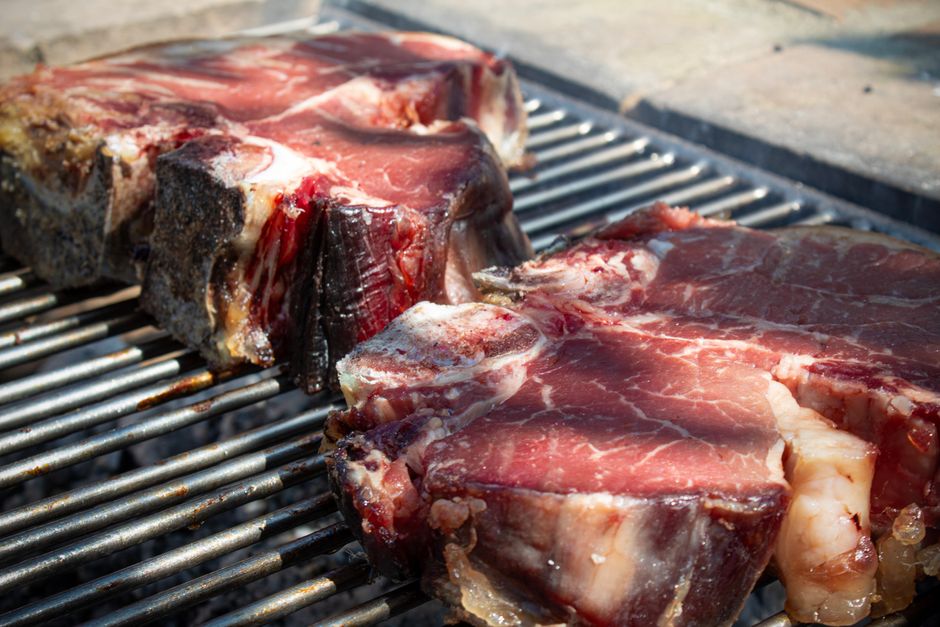
Florentine food is not fancy. It's peasant cooking elevated by good ingredients and time. The dishes were born from making the best food possible from cheap available things - offal, vegetables, bread from yesterday. What emerged is some of the most delicious food in Italy.
You absolutely have to eat these dishes. Not for Instagram. Not to check a box. But because they're genuinely good and they're deeply connected to what Florence actually is.
Bistecca alla Fiorentina
This is the crown jewel. A huge T-bone steak (from Chianina cattle), grilled over charcoal or wood, seasoned only with salt and pepper. That's it. The meat, the heat, the timing. No sauce. No complexity. Just the best ingredient cooked perfectly.
Where to eat it: Proper Florentine restaurants in Oltrarno and residential neighbourhoods cook it correctly. Tourist-facing places often charge premium prices for adequate versions.
How to order: Ask for "bistecca alla fiorentina." Specify medium-rare (al sangue means rare, which is how locals eat it; medio is medium; ben cotta is well done, which is a tragedy).
Price reality: €25-45 for a proper steak at a non-tourist place. €60+ in the centre. You're paying for meat quality and grilling skill.
The experience: It comes on a wooden board, often still sizzling. Cut into it. The Chianina meat is slightly different from other beef - more flavour, less fat. The charring is intentional. The inside is rosy. It's genuinely one of the best steaks you'll eat.
Pro tip: Locals eat it after regular dinner hours (10 PM+). Restaurants get their serious customers then. Earlier dinner is mostly tourists.
Lampredotto
This is the one that scares visitors: it's a sandwich made from lamprey intestines (or sometimes cow offal, depending on the version). It's wrapped in bread, often topped with salsa verde (green sauce) or hot sauce.
It sounds horrifying. It's actually delicious - tender, flavourful, nothing like what you're imagining.
Where to eat it: Lampredotto stands operate in food markets and around the city. The authentic version is street food - you eat it standing up. Mercato Centrale has excellent lampredotto sandwiches.
How to order: "Un panino di lampredotto" (a lampredotto sandwich). Ask for it "con salsa verde" (with green sauce) unless you want it plain.
Price reality: €3-6 depending on location. It's cheap because it's traditionally street food.
The experience: It's tender and surprisingly elegant. The salsa verde adds brightness. You understand why Florentines have eaten this for centuries - it transforms cheap offal into something genuinely tasty.
Pro tip: If you're nervous, try it at Mercato Centrale where it's prepared fresh and you can watch the process. Confidence comes from seeing it's real food, not some weird tourist trap.
Ribollita
Ribollita is vegetable soup reheated - "reboiled" is literally what the name means. It's beans, bread, vegetables (cabbage, kale, spinach), tomatoes, olive oil. You cook it once, let it sit overnight so the flavours merge, reheat it the next day.
It's peasant food elevated by time and good ingredients. Nothing fancy. Everything essential.
Where to eat it: Most traditional Florentine restaurants serve it. Oltrarno and residential neighbourhoods have better versions than tourist spots.
How to order: "Ribollita" (pronounced ree-boll-ee-tah). It usually comes with a drizzle of olive oil on top.
Price reality: €6-10 as a starter, sometimes less at casual places.
The experience: It's hearty and deeply flavourful. The bread breaks down into the broth. The beans add protein and texture. Olive oil is essential - a good restaurant uses excellent oil. It tastes like Florence itself.
Pro tip: This is traditionally eaten in winter. If you're visiting in July, it might not be on the menu. In that case, look for fresh summer versions or accept you're missing seasonal authenticity.
Cantucci
Cantucci are hard almond biscuits meant to be dunked in wine (traditionally vin santo). They're twice-baked, crunchy, often made with whole almonds. Every Florentine bakery sells them.
Where to get them: Any bakery. Any food market. The big commercial brand (Biscottificio Marabini) is available everywhere but less interesting than small bakery versions.
How to eat them: Traditionally dunked in vin santo (a sweet white wine). You eat them with coffee. They're a biscuit, not a full meal.
Price reality: €1-2 for a few biscotti from a bakery. €8-12 for a nice box at tourist shops (overpriced).
The experience: They're hard. Breaking them requires teeth or dunking. The almond flavour is essential - cheap versions use almond extract instead of real almonds. The real thing has actual almond inside.
Pro tip: Buy them from a bakery, not a tourist gift shop. The taste difference is dramatic. Small artisan bakeries in neighbourhoods like Oltrarno make excellent versions.
Other Essential Bites
Pappa al Pomodoro: Tomato soup with bread. Similar philosophy to ribollita - transform yesterday's bread into something delicious.
Crostini Toscani: Bread toasts with toppings (chicken liver pâté, white beans, tomato). Traditionally served as an appetizer.
Tortellini in Brodo: Pasta parcels in broth. Classic Florentine comfort food.
Chestnut Soup: Especially in fall/winter. Local ingredient, soul-warming.
Restaurant Strategy for Real Food
Tourist restaurants cluster near major monuments. Real Florentine food exists in residential neighbourhoods (Oltrarno, Santa Croce outer areas, San Frediano).
Walk into neighbourhoods. Look for restaurants that:
- Are full of locals, empty of tourists
- Have handwritten menus or limited selections
- Don't have pictures of food in the window
- Are hard to find (no obvious signage)
These serve the food Florentines actually eat, at prices that make sense, with service that's efficient rather than theatrical.
What to Avoid
Restaurants near major attractions (Duomo, Ponte Vecchio, Piazza della Signoria) charge tourist prices for mediocre food. The "famous" tourist restaurants are famous for being able to charge €20 for pasta that's worth €8.
Skip the ones with picture menus or extensive English descriptions. Skip the ones offering "traditional Florentine" - real Florentine food just says "bistecca" or "ribollita," not "traditional recipe, passed down for generations."
Wine Pairings
Florentine food pairs with Tuscan wine. Chianti is the obvious choice. Look for Chianti Classico from good producers.
For simpler meals (lampredotto, street food), a basic Chianti is fine. For bistecca, spend a bit more on a quality bottle.
Vin santo (the sweet wine) pairs with cantucci and dessert. It's not expensive and genuinely worth trying with the biscotti.
The Experience
Real Florentine food isn't about elegance. It's about flavour, authenticity, and the satisfaction of eating something that tastes like where it comes from.
When you eat bistecca in Florence, you're eating what Florentines eat. When you eat lampredotto from a street stall, you're participating in centuries of food tradition. That matters more than any Michelin star restaurant could.