 ConciseTravel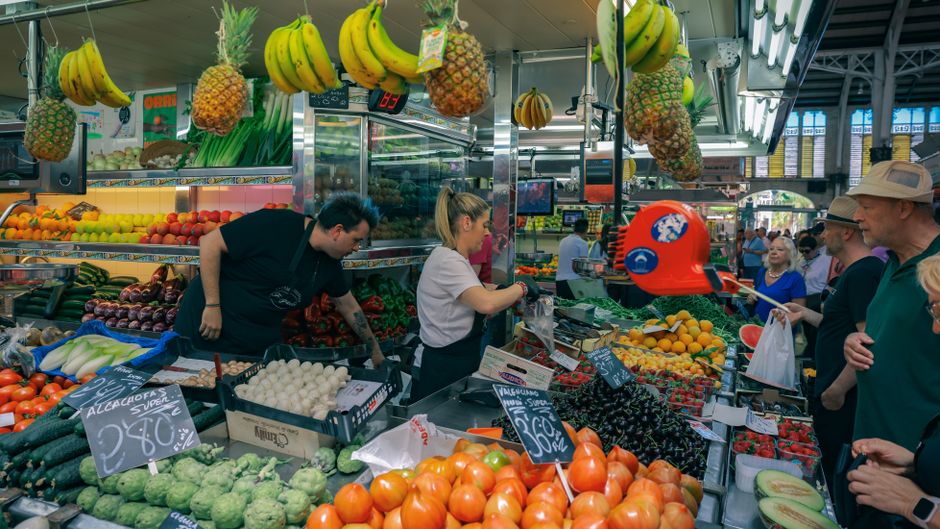
Mercato Centrale (Central Market) is the central Florence food market. It's where locals buy fresh vegetables, meat, cheese, and prepared food. It's also where tourists go to eat street food and buy overpriced trinkets. The two experiences coexist in the same space.
The market matters because it shows how Florence actually eats - the real food, the real shopping patterns, the real prices. If you can navigate it right, you'll eat better and cheaper than any restaurant.
The Physical Layout
Mercato Centrale has two levels:
Ground Level: This is the wholesale market where actual shopping happens. Fresh vegetables, produce, meat stalls, cheese vendors, olive oil, pasta, dried goods. This is where Florentines come to buy ingredients. It's busy, it's real, it's genuinely interesting.
Upper Level: Opened more recently, this is the tourist food hall. Prepared food stalls (lampredotto, pizza, pasta), restaurants, bars. It's more comfortable and more expensive than ground level.
Ground level is better if you want authentic experience and good prices. Upper level is better if you want comfort and English-speaking vendors.
What to Eat
Lampredotto Sandwiches (Ground Level): €3-5. This is peak budget authentic food. The lampredotto stalls at ground level are where locals buy their lunch. Get it with salsa verde.
Fresh Pasta: Multiple vendors sell fresh pasta daily. The quality is exceptional because it's literally made that day. Buy it to cook at your accommodation or eat at the upper-level restaurants.
Cheese and Cured Meat: The stalls selling parmigiano, mozzarella, prosciutto, and other cured meats offer samples. Some of the best cheese in Florence is sold here at non-tourist prices.
Fresh Fruit and Vegetables: If you're staying in a place with kitchen access, buying here is dramatically cheaper than restaurants. Strawberries, cherries, vegetables - all at local market prices.
Olive Oil: Multiple vendors. The quality varies dramatically. Small producers offer samples. Buy bottles small enough to travel with (unless you're checking bags).
Upper Level Prepared Food: Pizza, pasta, fresh seafood preparations, roasted meats. More expensive than ground level (€8-15) but still reasonable for Florence.
Ground Level Strategy
Arrive early morning (8-9 AM) for the freshest food and smallest crowds. The market gets busier 10 AM - 2 PM as people come for lunch.
Bring reusable bags if you plan to buy ingredients. Many vendors have their own bags but appreciate if you bring bags.
Have small cash. Some vendors don't take cards. ATMs exist but they're in specific locations.
Don't be shy about asking for samples. Vendors expect it, especially at cheese and cured meat stalls. Tasting helps you decide what to buy.
Navigate by smell and curiosity. You'll find the meat stalls by the aroma. The vegetable section is obvious. The seafood has its own zone.
Stand to the side if you're just browsing and not buying. You're in a working market - people with actual shopping to do have priority.
Upper Level Strategy
The prepared food stalls have lines during lunch (1-2 PM). Go slightly early (12:30 PM) or late (2:30+ PM) to avoid waiting.
Prices are higher than ground level but still reasonable - €3-5 for sandwich, €6-10 for prepared meals.
English is more common up here. Vendors expect tourists. The experience is less authentic but more accessible.
Eating at one of the upper-level restaurants gives you a view of both levels. Good spot for people-watching and understanding how the market functions.
Price Reality
Ground level is dramatically cheaper than restaurants. Fresh ingredients cost €0.50-2 per item. Prepared food (lampredotto) costs €3-5.
Upper level costs 50-100% more than ground level but still 50% less than nearby restaurants.
You're comparing:
- Ground level lampredotto: €4
- Upper level lampredotto: €5-6
- Restaurant lampredotto: €8-10
- Tourist-facing restaurant anywhere: €12-15
The savings accumulate if you're eating market food for multiple days.
What to Actually Buy
If you have kitchen access: Fresh pasta (made daily), vegetables, cheese, cured meat. Prepare simple meals. Save a fortune compared to restaurants.
If you're eating street food: Focus on the prepared food options - lampredotto, roasted meats, pizza. The stalls change daily so explore what's available.
To take back: Good cheese in small quantities (€5-8), excellent olive oil (€8-15 for a decent bottle), cantucci biscuits, dried pasta (it travels better than fresh).
Best Times to Visit
Early morning (8-9 AM): Freshest food, smallest crowds, most authentic experience. Market is still serving actual locals.
Late morning (10-11 AM): Good middle ground. Still relatively quiet, food is fresh, vendors are in good moods.
Peak lunch (1-2 PM): Extremely crowded, but this is when prepared food stalls are most active and you see the market at capacity.
Afternoon (3-5 PM): Quieter. Some stalls close early. Not ideal for shopping but good for wandering.
Avoid evening: Many stalls close by 7 PM. The market winds down after lunch.
Navigating Like a Local
Walk with purpose. Look at what you're buying. Don't take photos of vendors without asking. Don't treat it like a museum - it's a working market where people are trying to sell food.
Make eye contact. Greet vendors with "buongiorno" or "buonasera." Italians appreciate basic politeness. Vendors will be more helpful if you're respectful.
Don't haggle at the prepared food stalls. Do ask for samples at cheese/meat stalls - that's normal. Do ask questions about quality and origin if you're interested.
If a stall looks empty or closed, it's probably about to close for the day. Move on. If it's crowded, the vendor is probably good and worth waiting for.
What Mercato Centrale Actually Represents
The market is where tourist Florence and real Florence intersect. You can eat like a local (ground level, lampredotto, cheap) or like a tourist (upper level, comfort). The interesting bit is that the good food exists at both levels - quality doesn't require higher prices, just knowing where to look.
Understanding Mercato Centrale means understanding that Florence's best food isn't in fancy restaurants. It's in markets, street stalls, and neighbourhood trattorie where locals actually eat.

