 ConciseTravel
Here's the thing nobody tells you about Florence: it's genuinely tiny. The entire historic city centre fits inside a space roughly 1.5 miles across. You can walk from the Duomo to Ponte Vecchio in under 15 minutes. This isn't a city that requires public transport. It's a city that rewards walking.
The Historic Centre is Pedestrian-Sized
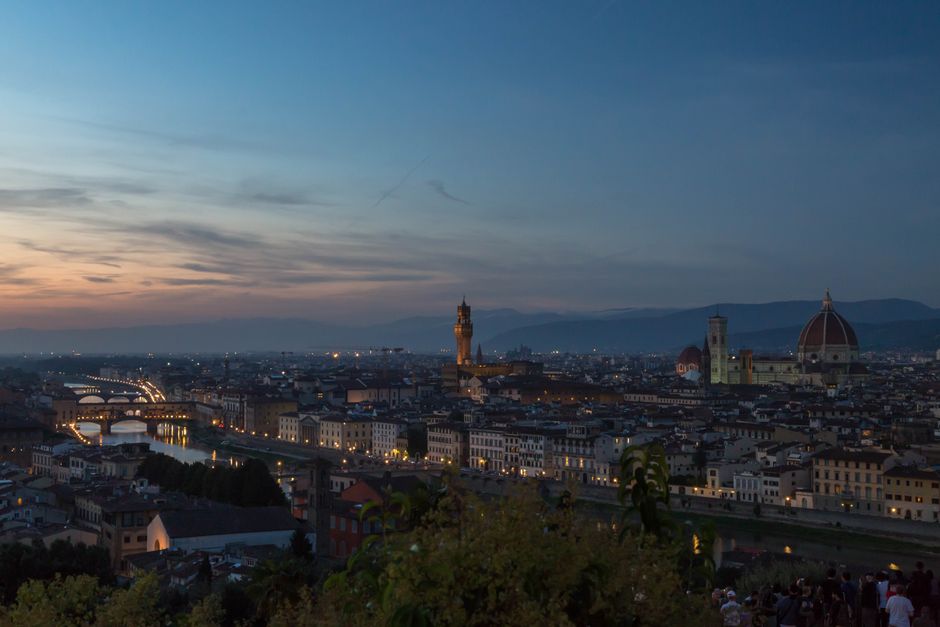
Florence's main attractions cluster around the Duomo (the cathedral), Ponte Vecchio, Santa Croce, and the Uffizi Gallery. The distances between these landmarks are modest. From the Duomo to Ponte Vecchio is 10 minutes on foot. From Ponte Vecchio to Piazzale Michelangelo is 25 minutes uphill. From Santa Maria Novella (the train station) to the Duomo is 10 minutes.
This changes everything. You don't need transport passes or journey apps. You need comfortable shoes, a mental map, and the willingness to get a little lost occasionally. Getting lost in Florence is part of the experience - you end up discovering side streets, hidden piazzas, and local cafes that no travel guide mentions.
The Only Time You'll Want Public Transport
I'll be honest: there are exactly three scenarios where the tram or bus makes sense in Florence.
First: you're heading to Piazzale Michelangelo at sunset and your knees are already complaining. It's doable on foot (about 20-25 minutes uphill from the city centre), but if you've already done 4 hours of sightseeing, the tram is your friend.
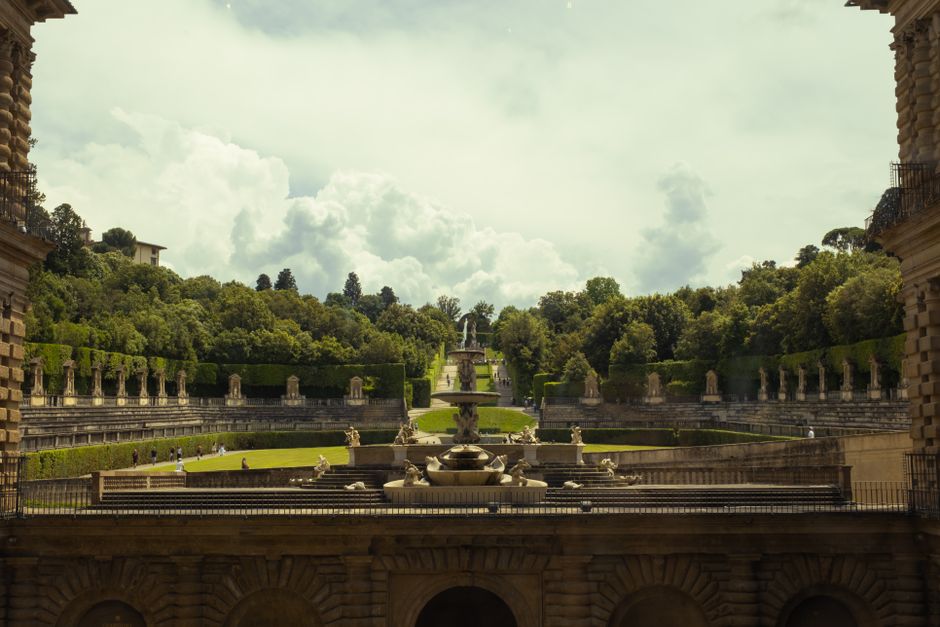
Second: you're going to Boboli Gardens or the Pitti Palace area from the opposite side of the city. The walk exists and is pleasant, but it's 20+ minutes. A tram gets you closer faster.
Third: you're staying in the residential districts (Oltrarno, Santa Croce, beyond the main zones) and want to move across town. Even then, you're often better off walking because it's actually faster than waiting for a tram and transferring.
Otherwise, walk.
The Streets Are Designed for Walking
Florence's medieval street layout is one of its best features. Streets are pedestrianised in the centre, so you're not fighting car traffic. There's shade from old buildings, water from fountains, and regular small piazzas to sit and regain your bearings.
The main commercial streets (Via Calzaiuoli, Via Roma) get packed during peak tourist hours (11 AM - 5 PM). Walk early morning or late afternoon instead. You'll see the same sights with a fraction of the crowd, and the light is better for photos.
Navigation is Simpler Than You Think
Download Google Maps, turn on offline mode, and you're sorted. The app works perfectly for Florence, even without data. You don't need a separate travel app. You don't need paper maps unless you're some kind of romantic purist.
Look up occasionally, though. Florence puts street names on the sides of buildings in small plaques, and major intersections have signs. After two days, you'll know the main routes without thinking about it.
Wear Real Walking Shoes
This is mandatory. Cobblestones are beautiful and terrible. They're uneven, hard on your joints, and genuinely dangerous if you're wearing flip-flops or fashionable flats. Bring proper walking shoes - trail runners, hiking boots, or good trainers. Your feet will thank you by day two when other tourists are limping back to their hotels.
The Oltrarno district (south of the Arno) has the worst cobblestones - narrow, irregular, and pitched at angles designed before people cared about comfort. Worth it for the atmosphere, but absolutely painful in bad footwear.
The Riverside Walk is a Bonus
Once you've done the main attractions, the Arno's left and right banks offer pleasant walks. It's locals territory, less crowded, and gives you a different perspective on the city. The south bank (Oltrarno side) is quieter and more residential. The north bank connects most of the big museums.
Getting Lost (and Found)
You will occasionally take a wrong turn and end up on a narrow side street with no clear exit. This isn't a problem. Turn around, head back toward the tram lines you can see, or just keep walking in a vaguely sensible direction. Florence is small enough that you'll eventually hit a landmark you recognise.
The city is laid out roughly in a grid (by medieval Italian standards), so cardinal directions matter. The Arno runs east-west. The Duomo is roughly in the centre. These two reference points are enough to navigate the whole city.
What About Hills?
Florence isn't flat, but the hills are mostly contained. The main city centre (within the medieval walls) is relatively even. Piazzale Michelangelo and the areas beyond the south walls are genuinely steep. Fiesole (a suburb on the hills to the north) is a proper workout.
Your legs will know the difference between a walk around the Duomo and a hike up to Piazzale Michelangelo. Plan accordingly.
The Bottom Line
Buy comfortable shoes, leave extra time, and walk. Public transport in Florence is useful, but it's genuinely optional for most visitors. The city is designed for pedestrians, the routes are intuitive, and you'll see things the tram passengers miss.