ConciseTravel
The Case for the Peak District in Winter
The Peak District in winter is the same landscape with different permissions. The heather on the Dark Peak moorland goes from purple to rust and brown. Frost settles on the limestone walls of the White Peak and stays there through cold mornings. Snow on Kinder Scout or Bleaklow turns the moorland into something that looks nothing like the England most visitors see.
It also quiets down substantially. The paths that carry thousands of boots on a summer weekend carry dozens in December and January. The popular spots, Dovedale, Mam Tor, Stanage Edge, become places where you can stand for five minutes and hear nothing but wind.
The practical advantages are real. Accommodation costs less. Car parks are rarely full. The pubs have their fires lit and they are warm in a way that feels earned rather than decorative. And the light in a clear winter sky over the moors has a quality, low and golden even at midday, that summer does not match.
What Winter Conditions Actually Look Like
The Peak District is not an alpine environment. Snow is not guaranteed and rarely lasts more than a few days before rain or mild temperatures clear it. But when snow does fall on the high moorland, it can settle deeply and persist for a week or more. The Dark Peak, higher and wetter than the White Peak, sees more snow and holds it longer.
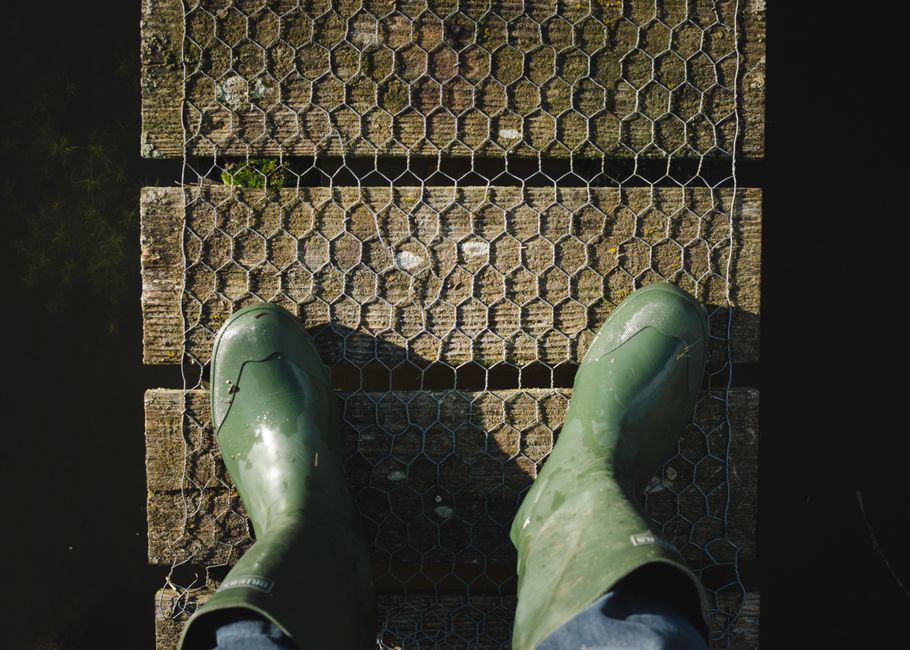
Frost is more reliable than snow. On clear nights through November to March, temperatures regularly drop below freezing, and the combination of damp peat and frost creates some genuine hazards on certain surfaces. Limestone paths and rock slabs become genuinely slippery. Wooden stiles become skating rinks. The stone steps on popular routes like the Mam Tor ascent path develop ice patches that persist into mid-morning even when temperatures rise.
Rain is the most consistent winter feature. The Peak District is not a dry region in any season, and winter brings more of the wet westerly weather that the upland landscape catches and amplifies.
Routes That Shine in Winter
Mam Tor and the Hope Valley Ridge: The high ridge from Mam Tor to Lose Hill catches snow more reliably than most accessible routes in the national park and holds it longer. A clear winter morning with frost on the hillforts and a view across snow-covered fields into the Hope Valley is a specific and memorable experience. The stone-paved path handles icy conditions better than grassy ones.
Monsal Dale: The limestone dale section of the Monsal Trail is more sheltered than the exposed moorland and genuinely beautiful when frost coats the limestone walls and the River Wye runs dark and clear below. It works when higher routes are iced out.
Dovedale in Winter: Fewer people, potentially ice on the stepping stones (boots required), and the gorge scenery under a cold sky. The leafless trees along the valley sides reveal the limestone pinnacles more clearly than in summer. Early morning frost makes the riverbanks photogenic.
Kinder Scout: For experienced walkers only in winter. The plateau can be under deep snow or ice-encrusted peat hags, navigation is harder in poor visibility, and the weather at the summit level changes fast. But Kinder under snow, seen from the Grindsbrook approach from Edale, is one of the Peak District's most dramatic sights.
Safety Essentials for Winter
Traction devices. Micro-spikes or crampons are not overkill on icy Peak District paths. They are standard equipment that transforms an icy day from dangerous to manageable. Light trail crampons fit over most walking boots and weigh almost nothing. Carry them even if you are not sure you will need them.
Navigation. Winter fog and low cloud reduce visibility on the high moorland to metres. A paper map and compass, and the ability to use them, is not optional on any route above the valley floor in winter. Phone batteries drain fast in cold conditions, which makes the paper backup more important rather than less.
Daylight. Dark at 4pm in December is real and arrives fast. Plan every walk to be down before darkness, with a margin. Headtorches are essential kit rather than a suggestion.
Layers and waterproofs. Wind chill on the Dark Peak ridges in February is severe. What feels manageable at the trailhead feels very different at the summit. Bring more insulation than the forecast temperature suggests you need.
Tell someone. If you are walking alone in winter on any route that involves high moorland, leave your route plan with someone who can raise the alarm if you do not return. Mountain Rescue in the Peak District is excellent, but they are volunteers and they should not need to find you because you did not tell anyone where you were going.
What You Get Right
Winter walking in the Peak District rewards the prepared visitor disproportionately. The crowds vanish, the landscape shows its structural bones without the green overlay of summer growth, and the low light on frost or snow creates photographic conditions that summer simply cannot replicate.
The ConciseTravel Peak District guide covers seasonal considerations including which routes hold up best in winter conditions and how to adjust a Peak District visit for cold months.