 ConciseTravel
The Peak District in winter is the English uplands at their most elemental. Kinder Scout under snow, the limestone dales of the White Peak in frost, and the dark gritstone edges of the Dark Peak in driving rain are all genuinely spectacular. The crowds that fill Castleton and Bakewell on summer bank holidays are almost entirely gone. What replaces them is proper walking country in proper walking weather. Pack for it.
The Real Winter Temperature Story
The Peak District's winter temperature varies significantly by elevation and position. The valleys and villages around Bakewell and Matlock might see 3-6C in December. The higher Dark Peak moorland around Kinder Scout and Bleaklow sits consistently colder, often at 0-3C during the day. January and February bring the harshest conditions: valley temperatures of 0-4C with higher ground well below freezing, regular frost, and snow that settles on the higher moorland for days or weeks.
Wind is a significant factor on the open moors. The exposed edges and ridges of the Dark Peak catch wind from every direction and wind chill makes the already-cold temperatures feel substantially harsher. Even a modest January wind on the Kinder plateau makes proper head and hand coverage necessary rather than optional.
City-Specific Cold-Weather Must-Haves
A fully waterproof and windproof jacket. The Peak District's winter weather includes everything from heavy rain to sleet to snow. A proper waterproof shell, seam-sealed and with a hood, is the most important item in your bag.
Waterproof trousers. For any day on the open moorland or the higher routes. Wet jeans in cold wind are not just uncomfortable; they can become a safety issue on longer walks.
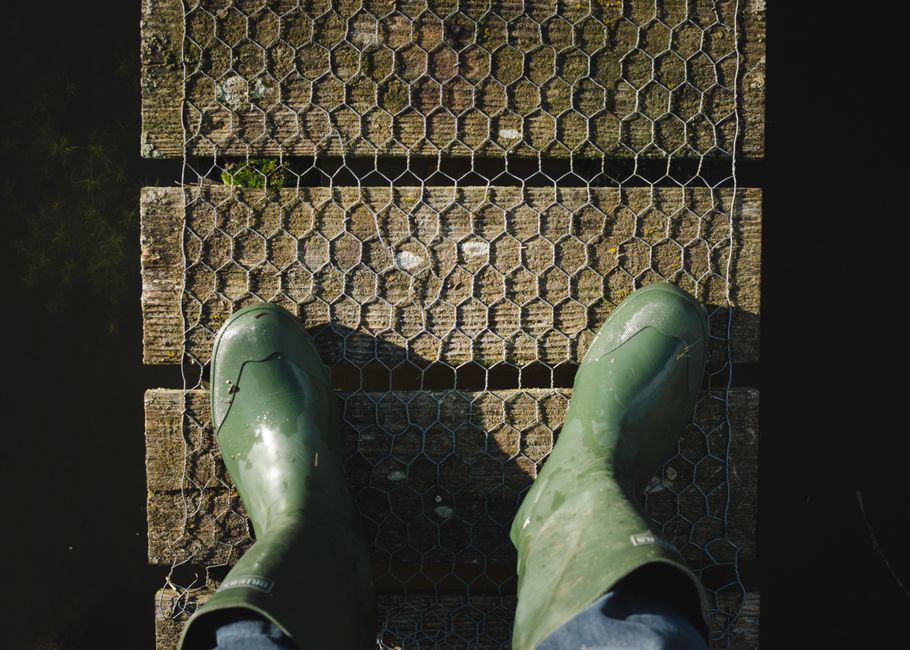
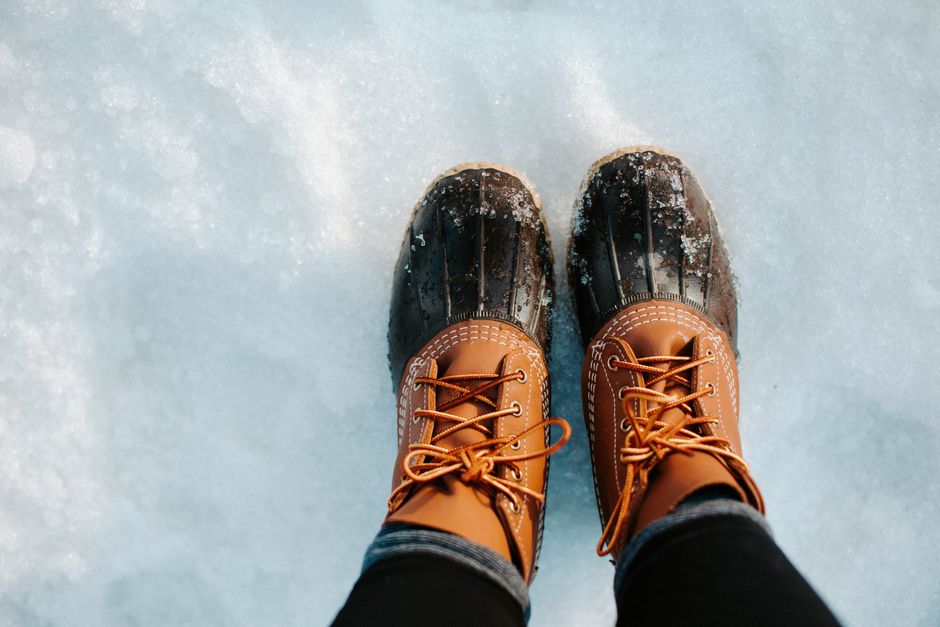
Insulated waterproof walking boots. The terrain ranges from limestone dale paths to boggy moorland to rocky gritstone edges. Boots with ankle support, insulation, waterproofing, and grip rated for this terrain are essential. Trainers are inappropriate for the higher routes in winter conditions.
Thermal base layers, top and bottom. Essential on the higher moorland. The combination of cold, wind, and possible wet conditions makes proper base layer fabric (wool or synthetic, not cotton) important.
A warm insulated mid-layer. A fleece or down gilet under your waterproof shell adds critical warmth without adding significant weight.
Waterproof gloves. Standard gloves get wet quickly in rain and sleet. Waterproof or water-resistant gloves are a better choice for any day on the moors.
A warm hat. Ear coverage for any elevated ground.
Merino wool or synthetic socks. Multiple pairs. Warm socks in waterproof boots make the difference between a good day and a cold-feet day.
What to Leave Behind
Regular trainers or non-waterproof walking shoes. The Peak District's winter paths involve mud, boggy ground, and ice. Trainers are unsafe on many of the higher routes in these conditions.
Cotton clothing next to skin. Cotton loses its insulating properties when wet and dries slowly. Wool and synthetic fabrics are significantly better for cold, wet outdoor conditions.
A non-waterproof outer layer. Any jacket that is not fully waterproof will fail on a Peak District winter walk. The weather here does not do half-measures.
Heavy suitcases. Accommodation in Peak District villages tends to be compact. A manageable pack or bag is much easier to deal with.
Packing it Together
Fully waterproof and windproof jacket, waterproof trousers, insulated waterproof walking boots, thermal layers, insulated mid-layer, waterproof gloves, warm hat, and wool socks. The Peak District in winter is beautiful for anyone properly equipped to be in it. The dark moorland, the frozen reservoirs, and the limestone valleys in winter light are among England's finest landscapes.
The ConciseTravel Peak District guide covers the best walking routes, the villages worth a stop, and the practical information for getting around without a car.