ConciseTravel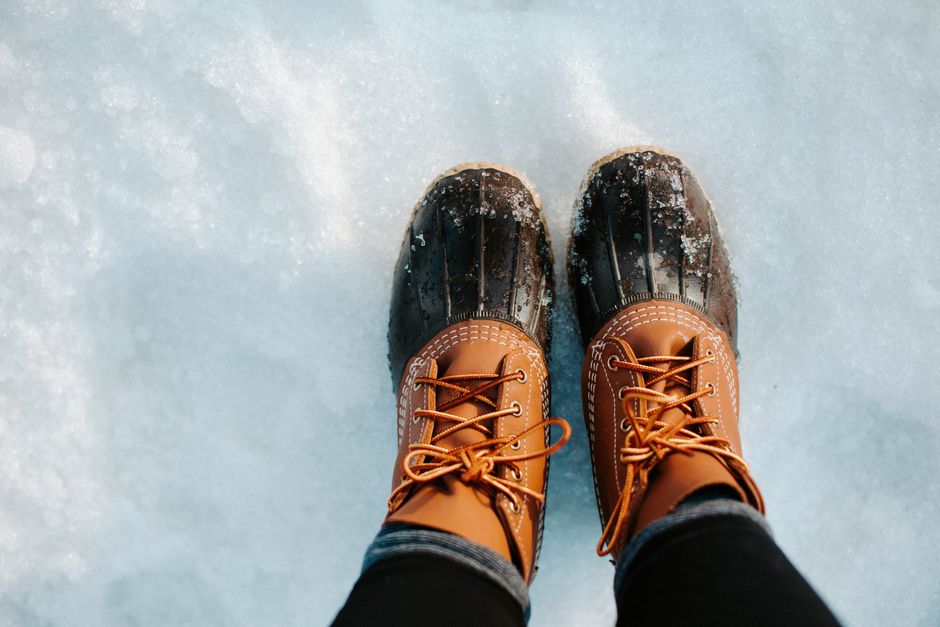
The Peak District in spring is one of England's best outdoor experiences, if you are dressed for it. March sits at 5-10C with frequent rain, cold wind, and the moors looking their most stark and dramatic. April improves to 8-13C and brings some genuinely beautiful days when the light on the limestone dales and the gritstone edges is extraordinary. By May you reach 12-17C and the landscape transforms: bluebells in the dales, lambs on the hills, and long evenings that reward high-ground walks. But the Peak District is exposed upland England, and the weather respects no season. A warm morning can become a cold, wet afternoon on the tops with almost no warning.
The Layering Approach
The Peak District demands a hill-walking packing philosophy, not a city-trip one. The outer layer question here is: how serious is your walking? For low-level walks along the Monsal Trail, Dovedale, and village-hopping, a good waterproof shell and comfortable shoes are sufficient. For any walk above 400m, including the Dark Peak, Kinder Scout, or the Edges, a proper technical outer layer, waterproof trousers, and walking boots with ankle support are appropriate. The wind on the gritstone edges is significant and the ground is often wet or boggy regardless of recent weather. The mid-layer system under the outer layer stays the same: a wicking base, a fleece or merino knit, and the waterproof shell.
City-Specific Essentials
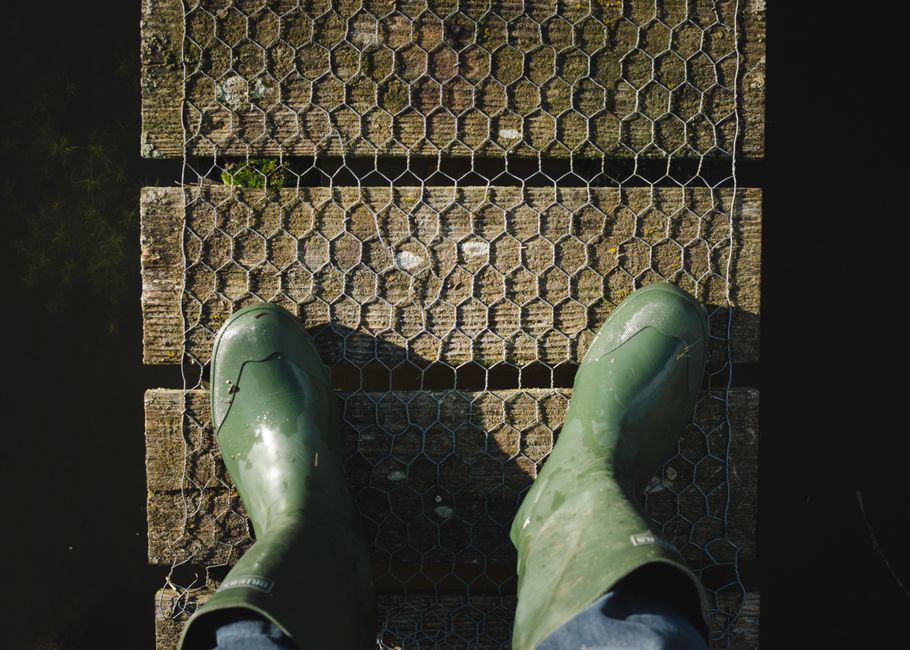
Waterproof walking boots: The most important item for any Peak District spring trip. The paths, even well-maintained ones, are muddy, uneven, and often wet. A waterproof boot with ankle support and a grippy Vibram-type sole handles the terrain properly. Low trainers are inadequate for higher routes and leave you with cold, wet feet early in the day.
Waterproof jacket with hood that works in wind: The Peak District wind, particularly on the Dark Peak moorland, is sustained. A hood that stays on in a 20mph wind and does not restrict vision is a practical feature rather than a marketing one.
Waterproof over-trousers: For higher walks and genuinely wet days. They pack small and make a significant difference to how long you stay comfortable in the field.
Warm mid-layer: A fleece or merino knit. Something that stays warm when damp, because some moisture will get through eventually on a full day out.
Hat and gloves for March and the exposed tops: Wind chill at 400m is significant even in May. These weigh almost nothing and matter a great deal.
A daypack large enough for all layers: At least 20-25 litres for a full hill day. Include a dry bag liner for electronics.
What to Leave Behind
Sandals and open shoes: Completely impractical for the terrain across all three months.
Heavy cotton clothing: Jeans and cotton hoodies wet through, do not dry, and make you cold. Technical or wool layers only for serious walking.
Town shoes: Pack them if you are staying in a village pub and need them for dinner, but they serve no purpose on the hills.
Formal clothing: The Peak District accommodation is pubs, B&Bs, and self-catering. Smart-casual is the limit of what you need for evenings.
Planning Your Trip
The Peak District rewards people who know their routes and understand the terrain. Knowing which walks suit your fitness level, where to eat and stay in Castleton, Bakewell, and Edale, and how to read the local weather makes the trip significantly better.