ConciseTravel
The Peak District in autumn is one of England's most rewarding landscapes if you're prepared for the conditions. The moorland heather fades from purple to rust, the Dovedale valley fills with golden leaf, and the walking routes empty of fair-weather visitors by late October. The weather is genuinely challenging: cold, often wet, with wind across the exposed moorland plateaus of Kinder Scout and Bleaklow that amplifies the cold significantly. Pack correctly and the reward is exceptional.
The Autumn Layering Problem
September in the Peak District averages 13-16 degrees on lower ground, cooler on the moors and ridge walks. October drops to 8-12 degrees with frequent showers and wind. November averages 3-7 degrees with rain on most days, occasional sleet on the high moorland, and early darkness.
The terrain creates its own weather challenge. Kinder Scout and the Dark Peak moorland sit above 600 metres, where conditions can be 5-8 degrees colder than the valley floors. A mild September valley day can mean cold, wet, and misty conditions on the ridge above it. The limestone valleys of the White Peak are more sheltered and manageable, but the high moorland requires serious preparation.
Peak District-Specific Essentials
Waterproof jacket and waterproof trousers. Both. The combination of persistent moorland drizzle, wet bracken, and damp wind makes waterproof trousers essential for any high moorland walking in October and November. Taped seams matter.
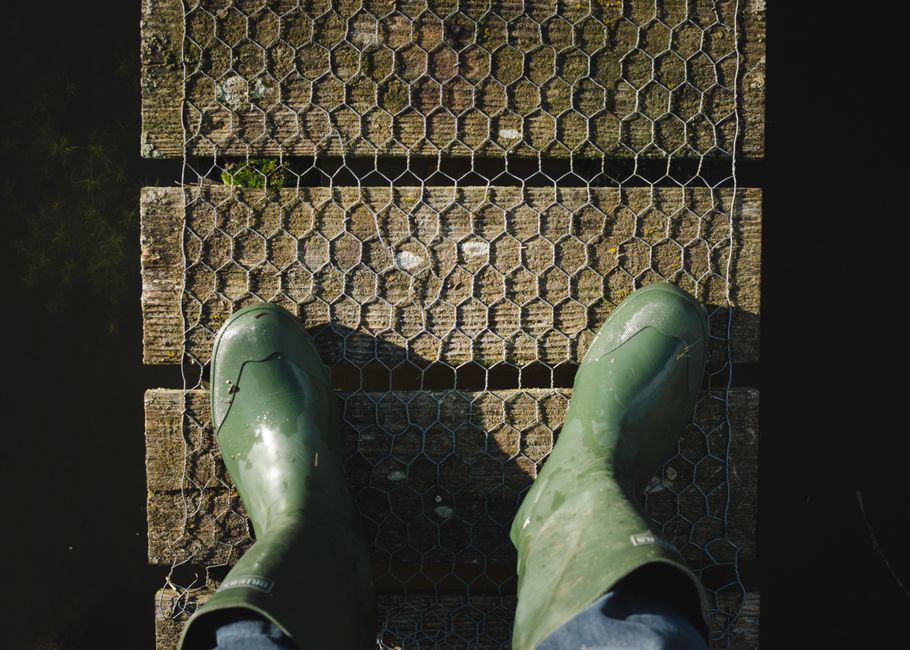
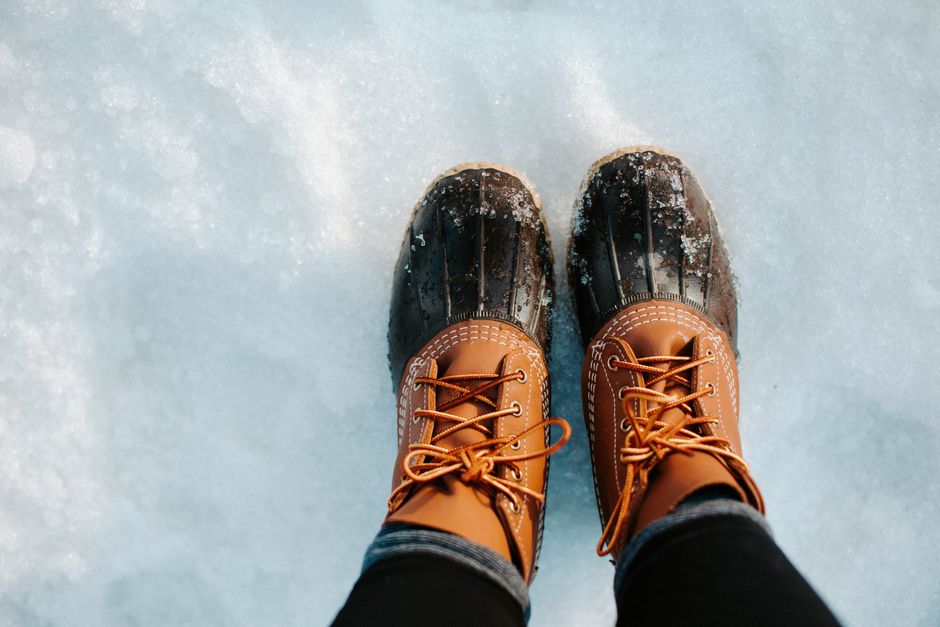
Waterproof hiking boots with ankle support. The Peak District terrain involves boggy moorland, rocky edges, wet limestone paths, and river crossings on stepping stones. Waterproof hiking boots with ankle support are the minimum for the high moorland routes. Trail trainers are marginal for the Dark Peak and inadequate in wet November conditions.
Thermal base layers. Warmth close to the body is the foundation for a cold, wet moorland day. Merino wool or synthetic thermals -- not cotton -- for both top and bottom on October and November walks.
Insulating mid-layer. A down gilet or a fleece provides the core warmth between your thermal and your waterproof. The gilet packs small and adds significant warmth on the exposed ridges.
Warm hat covering the ears, gloves, and a buff. Wind on Kinder Scout in November with exposed ears is painful within minutes. These items pack to almost nothing and change the outdoor experience completely.
Dry bags for electronics and food. Inside a waterproof pack, things still get damp in heavy sustained rain. A dry bag for your phone, camera, and packed lunch is worth having.
What to Leave Behind
Trail trainers for high moorland. They get wet and provide insufficient ankle support on rocky terrain. Save them for the easy valley routes and pack proper boots.
Cotton base layers. Cotton holds moisture against the skin in cold conditions and becomes genuinely dangerous in serious autumn weather. Merino or synthetic only.
Light outerwear. A packable summer shell is not adequate for November moorland. Proper waterproofing is the requirement.
The Peak District in Autumn Delivers for the Prepared
Mam Tor in October mist, the Derwent Valley in autumn colour, the limestone dales in golden November light -- the Peak District autumn is worth the gear investment. Pack for the conditions and the landscapes are extraordinary.