ConciseTravel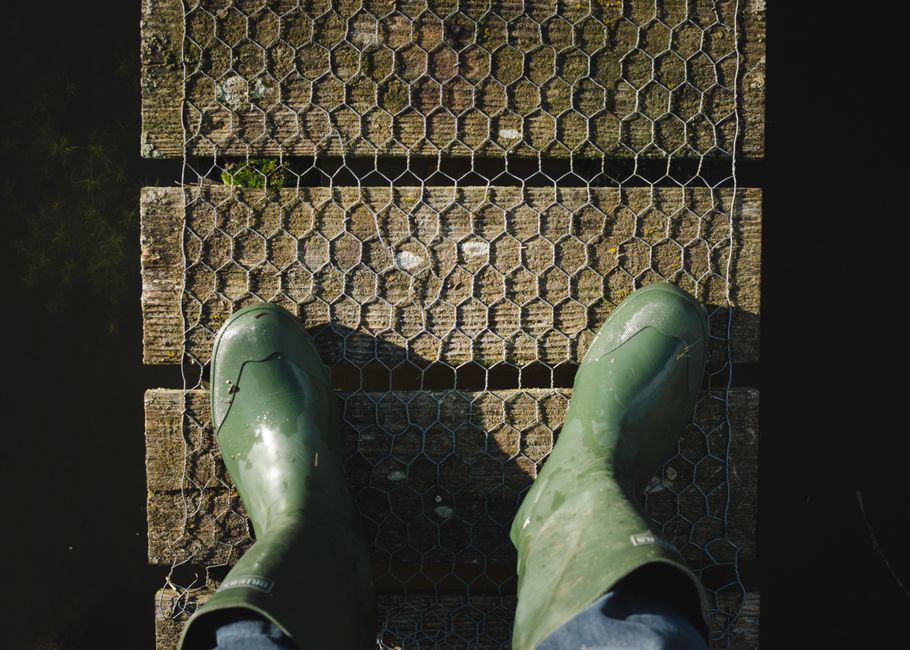
The Peak District in summer is one of England's most rewarding landscapes to walk and explore. June through August brings the longest days, the most accessible paths, and the best conditions for the Dark Peak moors and the limestone White Peak valleys. It also brings the reliably changeable English upland weather: warm sunny mornings that become overcast afternoons, showers that appear without much warning, and wind on the high moorland that makes the temperature feel considerably cooler than at valley level.
The Heat/Weather Strategy
Peak District summer weather is English moorland weather: highly variable, sometimes glorious, occasionally challenging, and always worth preparing for. Temperatures sit between 14 and 20 degrees Celsius at ground level on most days, with the high moors running several degrees cooler. Midsummer heat waves are possible and dramatic when they arrive, but planning around average conditions rather than best-case scenarios is the sensible approach.
Rain on the Dark Peak moors, Kinder Scout, and Bleaklow can arrive fast and reduce visibility. The gritstone edges and limestone dales are generally more forgiving but still require sensible gear.
City-Specific Must-Haves
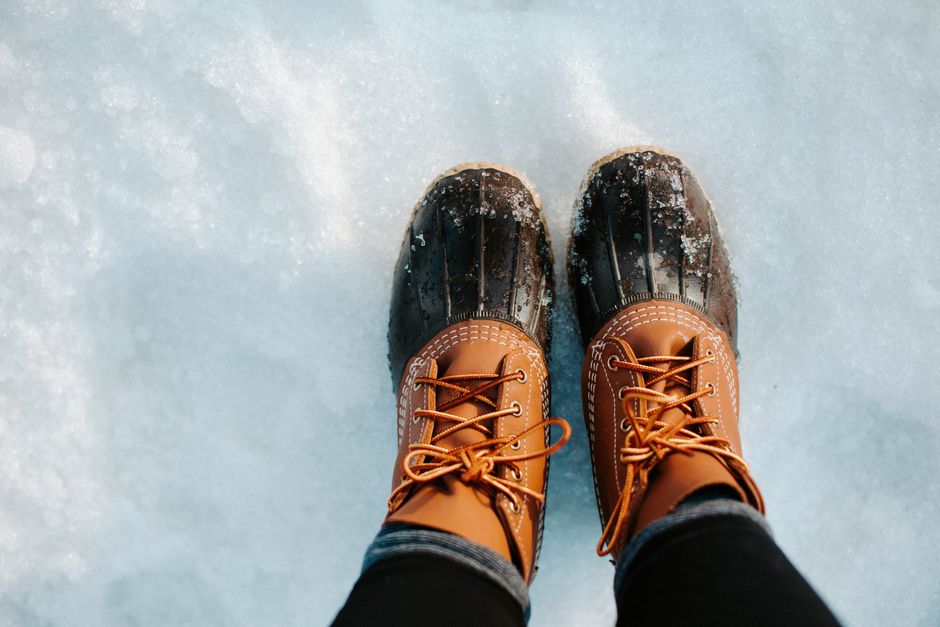
Waterproof walking boots or trail shoes are the single most important item. Peak District paths range from well-maintained limestone trail to boggy moorland that can be wet regardless of recent rainfall. Ankle support matters on the gritstone edges. Low trail shoes handle the easier White Peak routes; full waterproof boots handle the Dark Peak properly.
A waterproof jacket and waterproof trousers for higher moorland walks. The jacket is non-negotiable: the trousers are worth it for any walk above 400 metres or in sustained rain. Both pack reasonably small and the difference they make is significant.
Warm layers. A moisture-wicking base layer, a fleece mid-layer, and the waterproof outer layer covers the full Peak District summer temperature range. Even a warm day on Kinder Scout requires the ability to add layers quickly if weather changes.
A day pack or rucksack with room for layers, waterproofs, food, and a water bottle. Walking in the Peak District is a multi-hour activity and you need to carry your own supplies.
Sunscreen for the clear days. Open moors and limestone plateau provide no shade, and summer UV at altitude is higher than the temperature suggests.
Gaiters for the boggiest sections of the Dark Peak if you are heading on the high moorland routes.
What to Leave Behind
Urban summer clothing and light trainers are suitable for Bakewell, Castleton, and the towns, but entirely wrong for any fell walk. Do not attempt the moorland paths in inadequate footwear.
Heavy unnecessary equipment adds weight without benefit. Aim for layers that work together rather than one heavy item.
Plan the Full Trip
Boots and waterproofs sorted. The guide covers the best White Peak walks by distance and difficulty, the Stanage Edge gritstone route, and where to find the non-tourist-priced food and accommodation in the national park.