ConciseTravel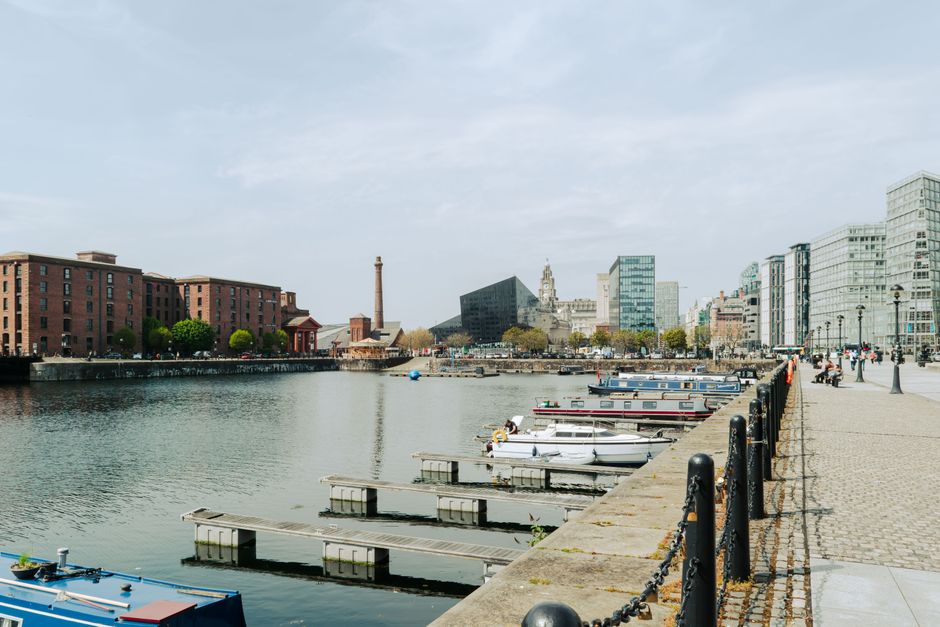
Where to Start in Liverpool
Most people arrive at the waterfront first and that instinct is right. The stretch from Pier Head down through the Royal Albert Dock is the historical and visual centre of gravity in Liverpool, and it rewards time spent both rushing through and lingering.
The key is knowing what is worth your attention and what you can reasonably skip depending on your interests.
Pier Head: The Three Graces and What Surrounds Them
Stand at Pier Head and look at the three buildings in front of you: the Royal Liver Building, the Cunard Building, and the Port of Liverpool Building. These are the Three Graces, built in the early twentieth century when Liverpool was one of the busiest ports in the world. Together they remain one of the most impressive waterfront ensembles in the UK.
Atop the Liver Building sit the Liver Birds, mythological cormorant-like figures that local legend says must never fly away. If they do, the city ceases to exist. They have not flown yet.
You cannot casually walk into the Liver Building (it is offices), but the Royal Liver Building 360 has a paid tour with access to an observation deck and clock tower. Worth it if architecture or views are your thing.
At street level near Pier Head, look for the Beatles Statue: four life-size bronze figures striding along in mid-step. This is one of the more photographed spots in the city and it earns the attention.
The Royal Albert Dock
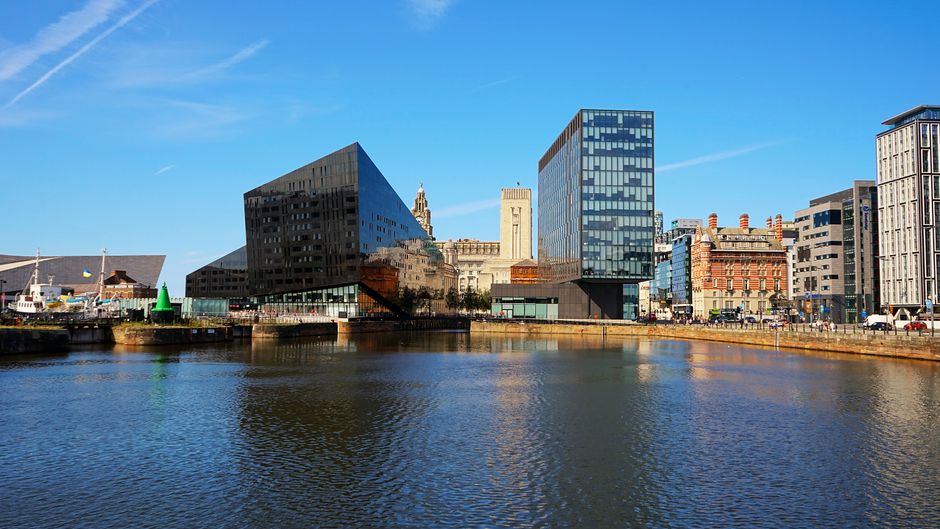
A few minutes' walk south from Pier Head brings you to the Albert Dock, a complex of nineteenth-century red-brick warehouses wrapped around a large dock basin. By the 1980s this was derelict. Its regeneration is one of the more convincing urban turnaround stories in the UK.
Today it holds several major attractions, restaurants, shops, and public spaces. The iron colonnades and warehouse architecture are genuinely attractive, especially in the late afternoon when the light hits the water. It also looks striking at night when everything is lit up.
What to actually do here:
Merseyside Maritime Museum (Free)
Strong exhibits on the city's seafaring history: ship models, navigation equipment, naval uniforms. The third floor holds the International Slavery Museum, which confronts Liverpool's central role in the transatlantic slave trade directly and without softening. It is one of the more powerful museum spaces in the city and should not be rushed. Also here: artefacts connected to the Titanic, whose managing company (White Star Line) was based in Liverpool.
Plan at least 90 minutes if you are doing both floors properly.
Tate Liverpool (Free for permanent collection)
The northern outpost of the Tate galleries, in a converted warehouse at Albert Dock. The permanent collection of modern and contemporary British art is free. Temporary exhibitions (sometimes featuring major international names) may have an entry charge.
Even if contemporary art is not usually your territory, the building is worth a visit and the upper floors have good views across the dock.
The Beatles Story (Paid, around £20 adults)
More on this in its own post, but noting that the main entrance is here at Albert Dock. Book in advance if you are visiting during peak season.
Museum of Liverpool (Free)
Technically just outside the dock at Pier Head, in the distinctive modern building that looks nothing like the Victorian warehouses around it. This is the most comprehensive introduction to the city: exhibits span the Ice Age through to the present day, taking in the slave trade, the music scene, football, and Scouse culture.
If you only visit one museum, make it this one for the context it gives everything else.
The Best Time to Visit the Waterfront
Late afternoon into sunset is the peak moment. The light on the buildings and river is at its best, the lunch crowds have thinned, and you can catch the Mersey Ferry for the evening River Explorer Cruise.
Early morning (before 10am, before most museums open) is excellent for photography. The Albert Dock with nobody in it, just the water and the brick, is a different experience.
Weekday mornings are quietest for the museums themselves. Saturday and Sunday afternoons bring families and groups in volume, particularly to the Museum of Liverpool.
Street Life at the Dock
Outside the institutions, the dock area has a life of its own. Street performers work the main promenades on weekends. There are good independent restaurants and bars in the historic units. In summer, it is one of the more pleasant places in the city to sit outside with a drink and watch the river traffic.
The Mersey Ferry terminal is here too, making it easy to combine a waterfront walk with a river crossing as part of a longer afternoon.
The ConciseTravel Liverpool guide has a full waterfront walking route that sequences these stops efficiently and notes which to prioritise on a shorter visit.