ConciseTravel
The Short Version
Liverpool is small enough that walking covers most of what you need. The city centre attractions sit within a 20 to 25 minute walk of each other, and the flat terrain makes it easy going. When you do need transport, the options are straightforward and cheap.
Here is what is available and when to use each one.
Walking: The Underrated Default
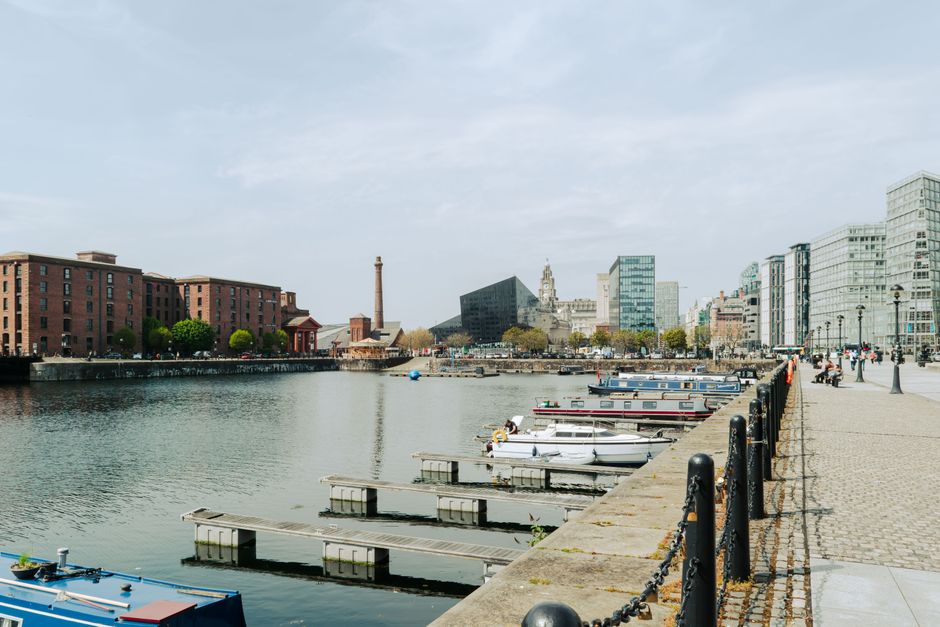
Before going through the transport options, it is worth saying plainly: the city centre is very walkable. From Lime Street station to the Albert Dock is about 20 minutes on foot. From the waterfront to the Cavern Club is 15 minutes. From Bold Street to Liverpool Cathedral is 10 minutes.
If you are based centrally and exploring the main areas, you may barely need public transport during the day. Save it for longer hauls to the football stadiums, Sefton Park, or out to Penny Lane.
Bus
The bus network, managed by Merseytravel, reaches everywhere including places the trains do not, like the football grounds and most residential suburbs. For visitors, the key facts:
- Pay by tapping a contactless card or bank card when you board, or with cash to the driver
- Useful visitor routes: the 10 for Anfield, the 82 or 86 southward towards Lark Lane and Sefton Park, and the 500 for the airport
- If you are taking multiple buses in a day, the system applies a daily cap so you do not keep paying full price
The main hubs for buses are Liverpool ONE bus station (Paradise Street) and Queen Square bus station. Both are easy to navigate. Most services display the route number and final destination clearly on the front.
Night buses run limited routes after midnight. For late-night journeys, taxis are often easier.
Merseyrail
Merseyrail is Liverpool's local rail network, running a mix of underground and overground services across Merseyside. It is clean, frequent (roughly every 15 minutes on main routes), and covers several spots visitors want to reach.
The two main lines:
- Northern Line: Runs north-south through the city centre underground stations and out to Southport, Ormskirk, and Hunts Cross
- Wirral Line: Crosses under the Mersey to the Wirral Peninsula, reaching Birkenhead, Wallasey, West Kirby, and Chester
Key stations for visitors:
- Liverpool Central: The main interchange underground station in the city centre
- James Street: Closest station to Albert Dock and the waterfront
- Moorfields: Good for the docks area and business district
- Lime Street (lower level): For connections to the Northern Line from the mainline station
Useful Merseyrail journeys:
- To Crosby (Waterloo or Blundellsands station) to see Anthony Gormley's Another Place iron figures on the beach
- To Sandhills and then the Soccerbus shuttle for Anfield on match days
- To Hamilton Square (Wirral Line) for Birkenhead and the U-Boat Story museum
Tickets from station machines or contactless tap-and-go at gates where available. A Saveaway day pass covers unlimited Merseyrail travel and can include buses and the ferry, making it good value for a day of exploration.
One quirk: Merseyrail trains have no toilets on board. The journeys are short enough that this is rarely an issue, but worth knowing before a long connection.
The Mersey Ferry
The ferry is both a transport link and an attraction in its own right, and it is genuinely worth doing.
The main visitor experience is the River Explorer Cruise: a 50-minute circular route from Pier Head across to Woodside and Seacombe on the Wirral and back, with commentary about Liverpool's waterfront history along the way. Tickets are around £11 for adults. You can hop off at Woodside to visit the U-Boat Story museum, then catch a later ferry back.
The ferry also runs commuter services during rush hours at a lower fare. If budget is the priority and you just want the river view, catching a commuter sailing is a cheaper way to cross.
The Pier Head terminal is easy to find on the waterfront, just north of Albert Dock. Ferries have a small cafe on board.
City Bikes and E-Scooters
Liverpool has a docked bike hire scheme called CityBike, with stations around the city. It costs around £1 for one hour. The first 30 minutes of each ride are free, with a small charge after. Good for a leisure ride along the waterfront or through Sefton Park.
Electric scooters operate via the Voi app. Unlock costs around £1 with a per-minute rate after that. You need to be 18 or over and hold a driving licence. Ride on roads and bike lanes, not pavements.
Both options work well on a nice day for exploring the waterfront promenade between Albert Dock and Crosby.
Taxis
Black cabs cruise the city centre throughout the day and are plentiful. They can take up to five passengers and drivers are generally good for local knowledge and recommendations. Short city centre hops run to around £5 to £6 on the meter.
Uber and Bolt both operate in Liverpool and are usually slightly cheaper than black cabs outside of surge periods. Both are reliable options.
After midnight on a weekend, taxi queues around Concert Square and Mathew Street can build up. Worth planning around.
What to Use When: A Quick Reference
| Journey | Best Option |
|---|---|
| City centre sightseeing | Walk |
| Albert Dock to Cavern Club | Walk (15 min) |
| Central Liverpool to Anfield | Bus 10 or Merseyrail to Sandhills |
| Central to Sefton Park | Bus 82 or 86 |
| Liverpool to Crosby Beach | Merseyrail Northern Line |
| Liverpool to Birkenhead | Merseyrail Wirral Line |
| River crossing with views | Mersey Ferry |
| Late night | Taxi or rideshare |
The ConciseTravel Liverpool guide goes into more detail on navigating specific journeys and which transport combinations work best for different itineraries.